
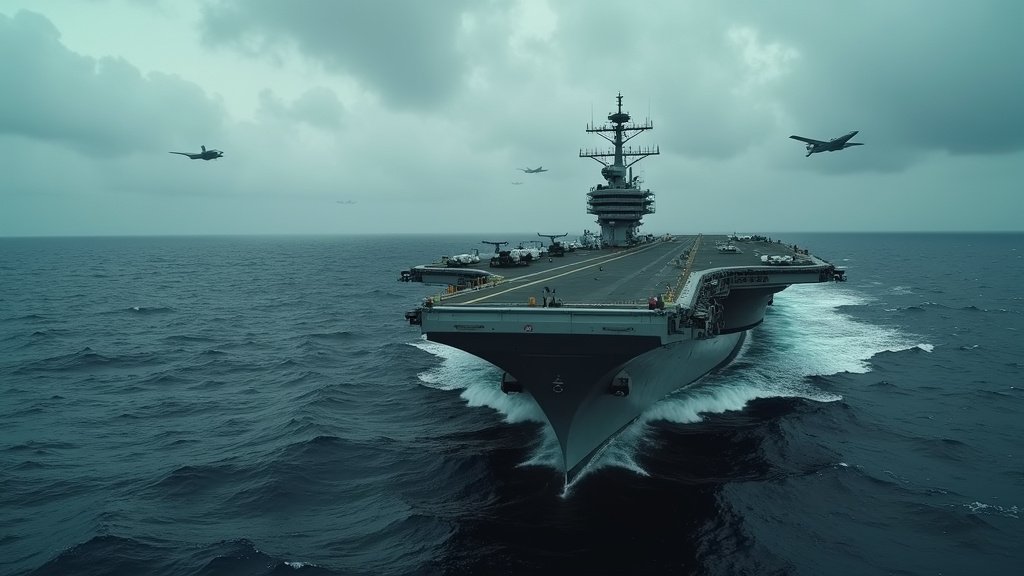
US Carrier Group in Caribbean Faces Combat Readiness Risks Amid Venezuela Tensions
The United States may encounter significant challenges maintaining its strike group’s combat readiness. This concern stems from its presence off the coast of Venezuela. The New York Times reported these potential issues. Escalating tensions with Venezuela are a backdrop. The cost of a large military presence worries officials. Extending deployments of the USS Gerald R. Ford carrier group could impact readiness. This news highlights broader concerns about naval operations.
Naval Deployment Concerns
The USS Gerald R. Ford carrier strike group is currently stationed in the Caribbean. Its deployment has been extended. It is now at sea for its seventh month. This duration exceeds typical peacetime deployments. Peacetime limits are usually six months. Such prolonged missions strain resources. They also affect crew morale. The ship might postpone necessary maintenance. This risks its long-term operational capability. Technology aboard the Ford is advanced. Maintaining this technology is crucial.
Operations and Justifications
The US military justifies its Caribbean presence. It cites the need to combat drug trafficking. Operations took place in September and October. These actions aimed to destroy drug-carrying boats near Venezuela. President Trump linked these efforts to national security. He characterized smugglers as narcoterrorists. Some officials suggest political motives. They believe operations aim to destabilize Venezuela. The administration claims to be in an “armed conflict” with cartels.
Regional Tensions
Venezuela views US actions as provocations. It sees them as violations of regional agreements. President Maduro’s government denies US accusations. These accusations link Maduro to drug trafficking and crime. Tensions remain high in the region. The US has also imposed sanctions on Venezuela. These include blockades on oil tankers. Such moves escalate diplomatic and military friction.
Readiness and Maintenance
Extended deployments challenge Navy readiness. Aircraft carrier operations have increased significantly. This heavy usage leads to more strain. It can result in postponed maintenance. Shipyards face backlogs and capacity issues. Skilled workforces are also a concern. These factors contribute to readiness degradation. The Navy might be using its readiness faster than it can generate it. Maintaining modern technology requires consistent upkeep. Delays impact the fleet’s global presence. This situation presents a complex news cycle for defense strategy.
The prolonged presence of the USS Gerald R. Ford in the Caribbean highlights critical issues. These involve operational tempo, maintenance schedules, and crew well-being. The implications for US naval power projection are substantial. Future deployments may require careful balancing of strategic goals and operational constraints. The news underscores the demanding nature of maintaining a global military presence.