
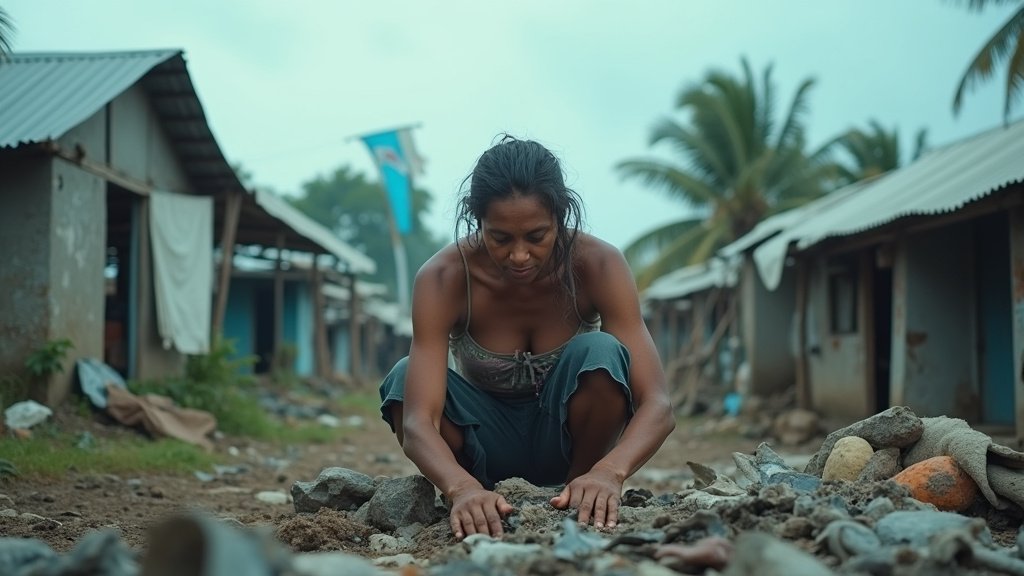
Hurricane Melissa struck the Caribbean with brutal force. It was one of the strongest storms on record. That devastating event happened in late October 2025. Now, nearly two months later, the region still struggles. Thousands face persistent hunger. Many live in makeshift shelters. The path to recovery remains long and arduous. This news today highlights ongoing challenges.
The Storm’s Devastating Path
Hurricane Melissa made landfall as a Category 5 storm. It hit Jamaica on October 28, 2025. The storm then struck eastern Cuba as a Category 3. Climate scientists link its intensity to rising ocean temperatures. Melissa’s winds reached catastrophic speeds. Its torrential rains triggered severe flooding. Storm surges battered coastal communities. The destruction was widespread across the north Caribbean.
Haiti’s Ongoing Crisis
Haiti faced catastrophic flooding. At least 43 lives were lost. Many deaths occurred in Petit-Goâve. A river overflowed its banks there. Homes, livelihoods, and crops were lost. The storm significantly worsened food security. People were already hungry due to other crises. Gang violence had blocked major routes. Melissa deepened these existing hardships.
Jamaica’s Urgent Needs
Jamaica suffered immense damage. Infrastructure is severely compromised. St. Elizabeth Parish, the island’s breadbasket, was devastated. Farmland was destroyed. Many homes lost roofs or were demolished. Western parishes saw significant destruction. Roads disappeared under floodwaters and mud. Food security is now in critical condition. Crops like bananas and plantains were wiped out. Livestock losses were massive. Poultry and egg production suffered greatly. Agricultural losses are estimated in the millions.
Cuba’s Continued Struggle
Cuba reported no storm-related deaths. However, the damage was extensive. Over 700,000 people were evacuated. More than 215,000 homes were affected. This figure is expected to rise. Critical services like electricity and water remain disrupted. Many Cubans still lack safe water. Health facilities and schools were damaged. Outbreaks of diseases like dengue and chikungunya are ongoing.
Lives in Makeshift Shelters
Thousands remain displaced. Many live in temporary shelters. These range from schools to community centers. In Cuba, hundreds still occupy makeshift housing. Jamaica also has over a thousand people in active shelters. Over 400,000 people live in inadequate housing there. Finding safe places to stay is an urgent priority. Families need comfort and dignity. This is crucial amid the ongoing chaos.
The Persistent Shadow of Hunger
Food insecurity is a major regional concern. Hurricane Melissa exacerbated existing hunger. The World Food Programme (WFP) is active. They aim to reach 1.3 million people. WFP provides emergency food boxes. They also offer cash assistance. These efforts help affected communities. Over half a million people have received aid. Yet, the need remains immense. Many farmers lost their entire livelihoods. Replanting and rebuilding take time. The disruption affects entire food value chains.
Emerging Health Hazards
Beyond hunger, health risks are rising. Persistent flooding creates breeding grounds. In Jamaica, a leptospirosis outbreak occurred. Cases of dengue and tetanus are also increasing. Cuba faces concurrent outbreaks of various arboviral diseases. Thirty percent of its population has suffered from such illnesses. Damaged infrastructure worsens sanitation risks. Access to healthcare is challenging for many.
The Long Road to Recovery
Recovery efforts are underway. Governments and partners are working hard. Debris removal and service restoration are key. However, challenges are significant. Compounding disasters weaken resilience. Debt burdens strain national budgets. Many communities are still reeling from previous storms. The Caribbean is highly disaster-prone. Climate change makes storms more intense. This cycle makes rebuilding harder.
A Call for Sustained Support
Hurricane Melissa’s impact is profound. Two months later, hunger and lack of shelter persist. The news today reveals a region in need. Sustained international support is vital. This aid must address immediate needs. It must also focus on long-term resilience. Investing in infrastructure is critical. Strengthening food systems is paramount. The Caribbean’s future depends on these actions. Building back better is the only way forward. The regional news shows resilience. But more help is desperately needed.