
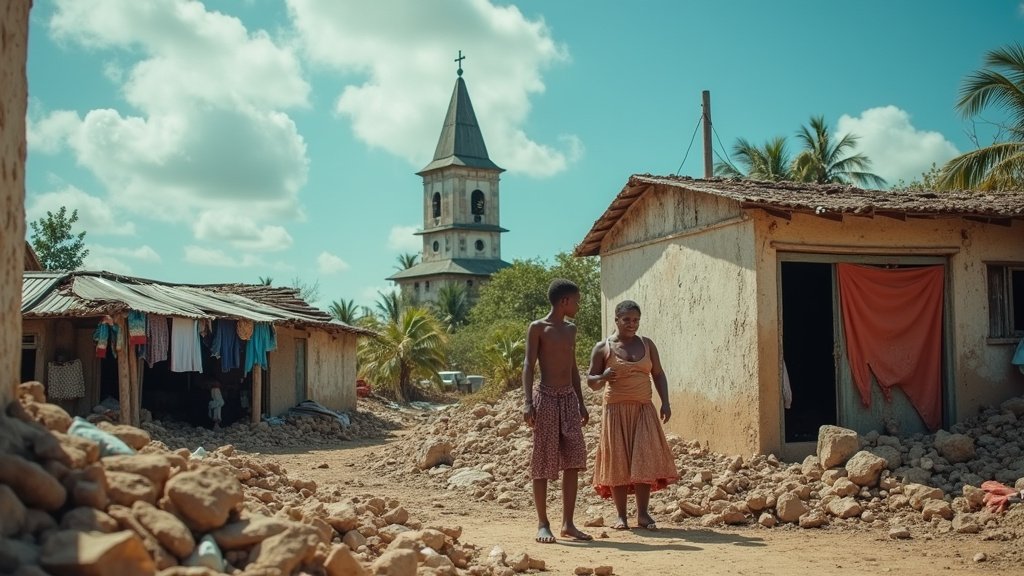
The Caribbean’s Long Road to Recovery: Melissa’s Devastation Echoes
Two months have passed since Hurricane Melissa struck. The powerful Category 5 storm ripped through the region. Its devastation is still deeply felt. Thousands remain displaced. Many live in makeshift shelters. Hunger is a persistent problem. This is the harsh reality for communities across the Caribbean.
A Storm of Unprecedented Force
Hurricane Melissa made landfall in late October 2025. It was one of the strongest Atlantic storms ever recorded. Its sustained winds reached up to 300 km/h in Jamaica. The storm unleashed catastrophic damage. Extreme rainfall and massive storm surges flooded communities. Homes, schools, and vital infrastructure were destroyed. Millions were left isolated and vulnerable. The hurricane impacted approximately six million people across the Caribbean. This news highlights the ongoing struggle for survival.
Haiti: Deepening Crises and Widespread Loss
Haiti faced profound challenges. Melissa worsened an already dire situation. Gang violence blocked highways. This hampered commerce and aid delivery. The storm destroyed homes, infrastructure, and farmlands. It affected 1.2 million people in Haiti alone. At least 43 people died across the country. Many lost loved ones, homes, and livelihoods. In Petit-Goâve, deadly flooding swept away homes and lives. Residents recall escaping in the middle of the night. Piles of dirt and mud now cover where houses once stood. Hunger is a critical concern. Around 5.7 million people in Haiti are going hungry. This is over half the population. Many rely on cash donations to buy basic food items. The news from Haiti is grim.
Jamaica’s Struggle for Stability
Jamaica declared a disaster area. The storm caused an estimated $8.8 billion in damage. This is over 40% of the country’s GDP. At least 45 deaths were reported. Hundreds of thousands remain displaced. Over 739,000 people were affected. Many people still live in emergency shelters. Health risks are rising. There is a leptospirosis outbreak. Twelve deaths are linked to this infection. Tetanus cases have also been reported. Millions remain without power. Many schools are still closed. Rebuilding critical infrastructure is a massive task. The country is seeking billions for reconstruction. Jamaica’s lifestyle has been severely disrupted.
Cuba’s Eastern Provinces Reeling
Cuba’s eastern provinces bore the brunt. Melissa made landfall as a Category 3 hurricane. It brought torrential rain and severe flooding. Over 215,000 homes were damaged or destroyed. Thousands remain displaced. Hundreds of thousands lack safe water access. Essential services are disrupted. Communications were cut off for many. This complicates recovery efforts. The affected areas were already recovering from previous storms and earthquakes. This adds to the crisis. The news indicates ongoing needs in Cuba.
The Persistent Scourge of Hunger
Food insecurity is a major consequence. Many have lost crops and livelihoods. Access to food remains a critical concern. The World Food Programme (WFP) is on the ground. They provide essential food assistance. WFP plans to help millions across affected nations. However, funding gaps persist. The appeal for $74 million highlights the immense need. Many people require food, security, and other support. This is a regional lifestyle challenge.
Makeshift Shelters and Damaged Homes
Thousands are still homeless. They live in temporary shelters. These are often makeshift and inadequate. In Cuba, thousands remain in shelters. Jamaica also has many people in active shelters. This situation poses health risks. Families struggle with basic necessities. Rebuilding homes will take time and resources. The sight of destroyed homes is common. This is a stark reminder of Melissa’s power.
Humanitarian Efforts and Global Support
Organizations are working tirelessly. The WFP is coordinating major relief operations. They distribute food and cash assistance. Other groups like IOM, UNICEF, and the Salvation Army are active. Afreximbank and the UK government have provided donations. These efforts aim to provide immediate aid. They also focus on long-term recovery. Efforts include clearing debris and repairing infrastructure. Restoring livelihoods is a key goal. The news coverage shows coordinated actions.
Long-Term Recovery and Climate Resilience
Recovery is a marathon, not a sprint. The storm’s impact will be felt for months. Building resilience against future storms is crucial. Climate change intensifies hurricane strength. Leaders stress the need for greater investment. This includes anticipatory actions before storms hit. The cost of living on the frontlines of the climate crisis is high. It cannot be borne alone. Continued international support is essential. The future lifestyle of Caribbean nations depends on this.
A Call for Sustained Assistance
Despite progress, many challenges remain. Thousands still need basic necessities. Makeshift shelters are a temporary solution. Hunger continues to affect vulnerable populations. The Caribbean news cycle moves on. However, the rebuilding process is far from over. Communities need ongoing support. Their resilience is remarkable. Yet, sustained help is vital for a full recovery. The world must not forget these islands.