
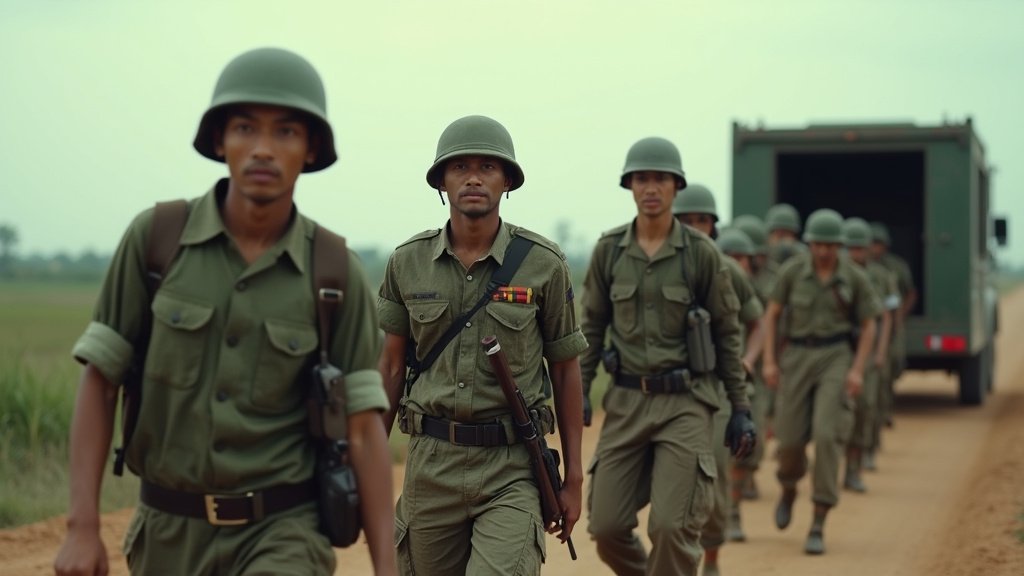
Thailand released 18 Cambodian prisoners of war today. This happened on December 31, 2025. The soldiers had been held for 155 days. This move follows a renewed ceasefire. The truce ended weeks of border clashes. The soldiers returned to Cambodia. This was a significant gesture of goodwill. It helps build confidence between the nations.
Background of Border Clashes
Decades of disputes fuel tensions. The conflict has roots in colonial-era treaties. These treaties date back to 1904 and 1907. They ambiguously defined borders. The world has watched this long-standing issue. A focal point is the Preah Vihear temple. The International Court of Justice ruled on its ownership in 1962. Thailand officially recognizes Cambodia’s claim. However, nationalistic views persist. This history often ignites friction.
Escalating Tensions and Recent Conflict
Recent clashes escalated significantly. Fighting broke out in early December 2025. These were the worst since the dispute began. Thailand launched air strikes on December 8. This targeted Cambodian military facilities. Cambodia accused Thailand of violating the truce. Hundreds of thousands of civilians fled. They sought safety from the violence. Dozens of soldiers and civilians died. The situation grew dire for border communities.
The Ceasefire Agreement
A crucial ceasefire agreement was signed. This happened on December 27, 2025. Defense ministers from both nations signed it. The signing occurred at a border checkpoint. The agreement called for an immediate halt to hostilities. It took effect at noon that day. Both sides committed to de-escalation measures. They also agreed to no further military movements. Airspace violations for military use were banned. Malaysia and the U.S. played roles in prior truces. China also mediated recent talks. This diplomacy aimed to stabilize the region. It offered a crucial pause in fighting.
Prisoner Release Amidst Ceasefire
The release of 18 Cambodian soldiers was key. Cambodia demanded their return. Thailand classified them as prisoners of war. This followed their capture in July 2025. The Geneva Conventions govern POW status. Thailand stated they would release them post-conflict. The ceasefire held for 72 hours before the release. This condition ensured sustained peace. The International Committee of the Red Cross (ICRC) was vital. They coordinated the handover. The ICRC visited the prisoners four times. This ensured their well-being. It also checked detention conditions. The ICRC praised both nations. They highlighted adherence to international law. This humanitarian act marked progress.
A Step Towards Peace
The repatriation marks an important step. It translates commitments into action. Families can now reunite with loved ones. This removal of a major impediment is noted. Cambodia’s Defense Ministry welcomed the act. They stated it creates an environment for peace. Thailand’s Foreign Ministry called it goodwill. It demonstrates confidence-building efforts. The release is seen as a positive development. It removes a point of contention. However, border demarcation remains unresolved. This issue requires continued dialogue.
Global Implications and Future Outlook
The world watches this development closely. It offers a glimmer of hope. Regional stability is a shared interest. Both nations are key ASEAN members. China’s mediation highlights its growing influence. The agreement could prevent further escalation. It could foster economic activity. Border communities need lasting peace. They deserve security and stability. The ICRC stands ready to assist further. They will support future detainee visits. They act as a neutral intermediary. The path forward requires sustained effort. Rebuilding political mutual trust is essential. Normalizing relations is the goal. This news provides a crucial foundation. It is significant news for the region. It offers a chance for a peaceful world.