
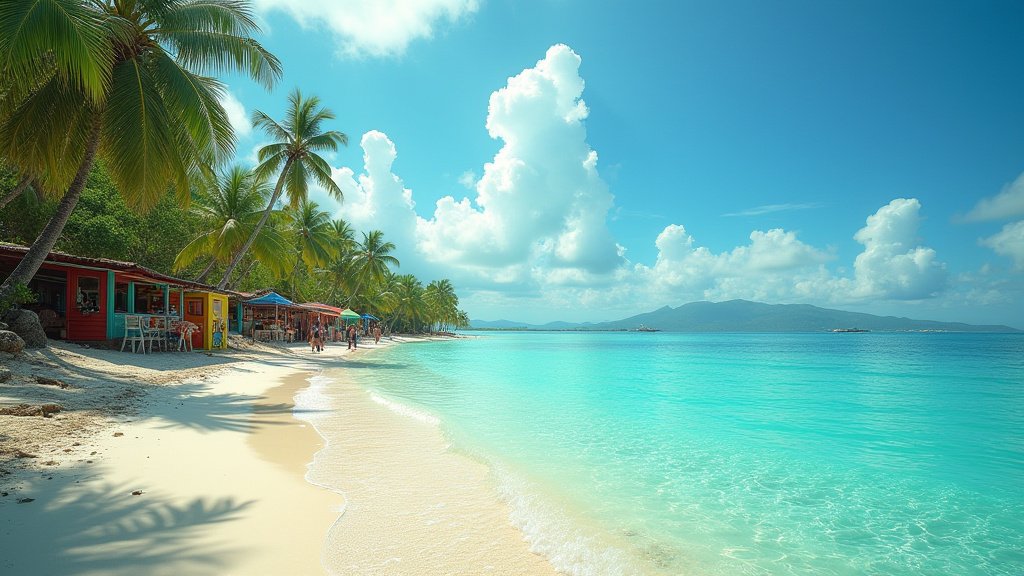
This summer, the Caribbean is redefining travel with a focus on wellness, multigenerational bonding, and seeking authentic experiences away from Europe’s over-touristed hotspots. Destinations like St. Maarten and the Dominican Republic are gaining traction as travelers prioritize restorative and culturally rich escapes over traditional resort stays, embracing ‘Blue Mind’ experiences and a desire for genuine connection. The region is also seeing a surge in Gen Z travelers seeking local character, moving beyond typical tourist paths.
Key Highlights:
- Wellness Takes Center Stage: ‘Blue Mind’ escapes, focusing on water-centered activities like ocean meditations and free-diving, are surging in popularity as travelers seek restoration.
- Multigenerational Travel Booms: Families are increasingly planning trips together, prioritizing shared cultural immersion and memory-making experiences across all age groups.
- Europe’s Overtourism Fuels Caribbean Alternatives: Destinations like St. Maarten and the Dominican Republic are benefiting as travelers seek less crowded, more authentic alternatives to increasingly congested European hotspots.
- Gen Z Seeks Authenticity: Younger travelers are prioritizing local character and genuine cultural experiences over conventional resort packages.
The New Wave of Caribbean Travel: Embracing Authenticity and Rejuvenation
The Caribbean in summer 2026 is not just about sun and sand; it’s a paradigm shift towards experiences that nourish the mind, strengthen family bonds, and offer genuine cultural immersion. As Europe grapples with the pervasive issue of overtourism, leading to visitor caps and protests in cities like Barcelona and Venice, the Caribbean is emerging as a prime alternative for travelers seeking both beauty and tranquility. This shift is largely driven by a desire for restorative wellness and authentic connections, moving away from the crowded, Instagram-driven tourism of previous years.
The Rise of ‘Blue Mind’ Escapes
At the forefront of this transformation is the burgeoning trend of wellness travel, significantly influenced by the “Blue Mind” theory. Popularized by marine biologist Dr. Wallace J. Nichols, this concept describes the calming, restorative mental state achieved when people are near, in, on, or under water. Travelers are actively seeking out ocean-centered wellness experiences that extend far beyond traditional spa treatments. These include guided ocean meditations at dawn, free-diving as a mindfulness practice, sunrise paddleboard yoga, and beachside sound healing. The psychological and physiological benefits of ‘Blue Mind’ travel—such as stress reduction, improved mood, and enhanced focus—are a major draw. Online searches for “quiet holidays in the sun” have surged by 100%, and “blue health escapes” are becoming increasingly prevalent. Sailing holidays in the Caribbean, with a 300% surge in searches, are particularly popular for those seeking strong connections to the ocean and opportunities to explore secluded islands.
The Family Reunion: Multigenerational Travel Takes Flight
Another dominant force reshaping Caribbean summer holidays in 2026 is multigenerational travel. Families, including grandparents, parents, and children, are planning trips together with a shared goal: to engage in culturally immersive and genuinely memorable experiences. The emphasis is on shared activities that foster lasting memories across all age groups, rather than separate pursuits like traditional kids’ clubs. This trend reflects a broader societal desire for connection and meaningful time spent together, particularly after periods of global isolation. This focus on shared experiences aligns with the rise of “slow travel,” where longer stays and deeper immersion in a destination are prioritized over rapid, tick-list tourism. Destinations are adapting by designing programming and crafting packages that cater to diverse age groups simultaneously, ensuring everyone from toddlers to seniors can participate and connect.
Europe’s Over-tourism Pains Drive Caribbean Gains
Europe’s escalating overtourism crisis, marked by visitor caps in Santorini, managed pedestrian traffic in the Amalfi Coast, and protests in cities like Barcelona, is directly benefiting the Caribbean. Destinations like St. Maarten and the Dominican Republic are trending as attractive alternatives for travelers seeking less crowded and more authentic experiences. Cruise lines, facing protests and restrictions in Europe, are also redirecting their fleets towards the Caribbean, with cruise port stops in both regions becoming nearly equal after Europe historically saw 7,000 more stops annually. This influx of visitors seeking respite from congested European hotspots highlights the Caribbean’s appeal for its uncrowded beaches and accessible local culture. Overall international tourist arrivals to the Caribbean rose by an estimated 3.9% in the first quarter of 2026, setting a new record for the region. The Dominican Republic remains a top destination for US visitors, expecting 9.2 million arrivals in 2025-2026, followed by Jamaica and The Bahamas.
Gen Z’s Quest for Authentic, Local Character
Generation Z is increasingly drawn to the Caribbean, but their travel priorities differ significantly from previous generations. They are not chasing the typical resort experience; instead, they seek out local character, cultural authenticity, and the feeling of discovering something truly real. This aligns with a broader trend among younger travelers, including Gen Z and Millennials, who are planning more trips, with Gen Z averaging 3.4 summer trips. They are looking for experiences that offer a deeper connection to the place and its people. This pursuit of authenticity often translates to shorter, more spontaneous trips or “micro-vacations,” as 21% of Gen Z travelers plan to take multiple short trips throughout the year rather than one extended vacation. This preference for spontaneity and value means destinations and hotels need clear positioning and honest value propositions to attract this demographic.
Economic and Future Outlook for Caribbean Tourism
The Caribbean tourism sector is demonstrating resilience and strategic adaptation in 2026. While overall overseas demand to the Caribbean grew by a moderate 1% year-over-year in April 2025-March 2026, there are significant growth engines emerging. Latin America, in particular, is a key growth market, with demand increasing by 24% year-over-year and premium travel from South America surging by 117%. Destinations like Curaçao are already reporting record-breaking first-half results in 2026, with a 9% increase in stayover visitors compared to the previous year. The FIFA World Cup 2026, with matches in Miami, is also projected to bring an additional 450,000-600,000 visitors to the Caribbean, with countries like the Dominican Republic and Jamaica expecting significant inbound traffic. The average US visitor spend in the Caribbean was $1,180 in 2025. Looking ahead, the Caribbean Hotel and Tourism Association (CHTA) emphasizes the need to diversify demand, capture higher-value travelers, and unlock growth beyond traditional peak periods. This strategic pivot aims to ensure sustainable growth and enhance the region’s appeal amidst evolving global travel preferences.
FAQ: People Also Ask
Q1: What is the “Blue Mind” theory in travel?
A1: The “Blue Mind” theory, coined by marine biologist Dr. Wallace J. Nichols, describes the calming, tranquil, and happy state people experience when near, in, on, or under water. This state offers psychological benefits like stress reduction and improved focus, making water-centric experiences a major travel trend.
Q2: Why is multigenerational travel becoming so popular in the Caribbean?
A2: Multigenerational travel is booming as families seek shared, immersive experiences to create lasting memories together. This trend prioritizes bonding and cultural engagement across all age groups, moving beyond traditional segmented family vacations.
Q3: How is over-tourism in Europe impacting Caribbean travel choices?
A3: Europe’s over-tourism issues are driving travelers to seek alternatives in the Caribbean. Destinations like St. Maarten and the Dominican Republic are benefiting as travelers look for less crowded, more authentic experiences away from congested European hotspots.
Q4: What kind of experiences is Gen Z looking for in the Caribbean?
A4: Gen Z travelers are prioritizing authentic, local character and genuine cultural experiences over standard resort stays. They seek deeper connections with destinations and are open to spontaneous, shorter trips (“micro-vacations”).
Q5: Which Caribbean countries are currently trending as popular destinations in 2026?
A5: While specific trends vary, St. Maarten and the Dominican Republic are highlighted as trending destinations, partly due to over-tourism in Europe. Other top destinations for US visitors include Jamaica and The Bahamas. Curaçao has also reported record tourism growth in the first half of 2026.