
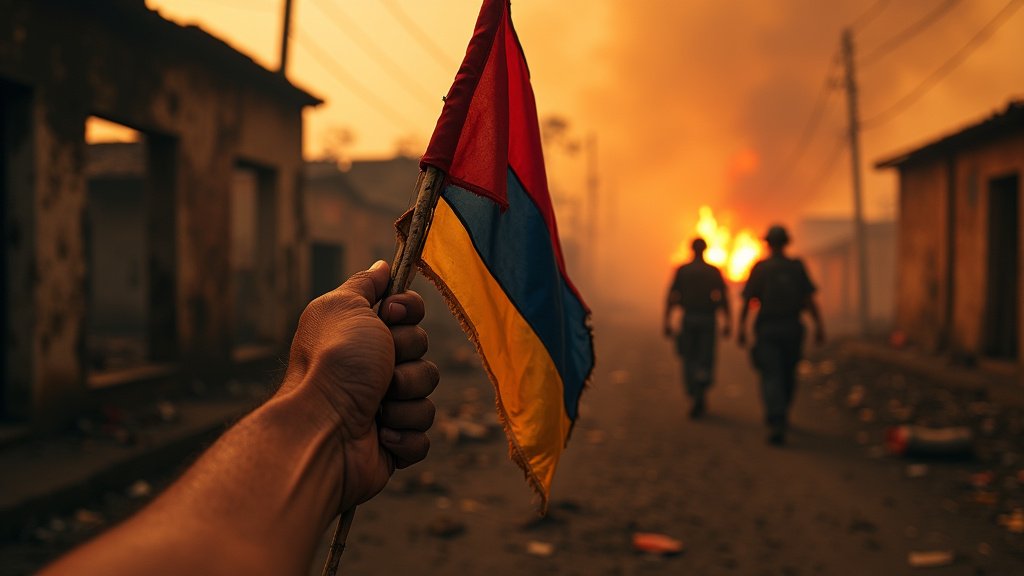
The Caribbean and Latin America faced intense challenges. This news period spanned January 16-22, 2026. Nations grappled with escalating security threats. Gang violence surged in key areas. Natural disasters also struck with force. Political landscapes showed significant change. This turbulent week highlighted ongoing regional struggles.
Haiti Faces Gang-Driven Crisis
Haiti experienced severe gang-related violence. Police patrolled Port-au-Prince’s gang-controlled zones. This violence had already displaced 1.4 million people. Gangs exert brutal control over large areas. They dominate much of the capital city. On January 18, 2026, security forces launched a major operation. It specifically targeted Jimmy Cherizier. He is known as “Barbecue.” He leads the Viv Ansanm gang coalition. Drone attacks struck his home. The goal was to disrupt his group’s influence. However, the fight for order remains difficult. Haiti is the poorest nation in the Americas. Gangs reportedly control 90 percent of Port-au-Prince. Daily police operations aim to restore public peace. These efforts continue to face major obstacles.
Guatemala Declares State of Emergency
Guatemala declared a 30-day state of emergency. This urgent measure began on January 19, 2026. It followed a deadly weekend. Prison riots occurred in three different facilities. Gang members took many guards hostage. Authorities eventually regained control. Afterward, gangs retaliated swiftly. They attacked police forces. At least eight to ten officers died. President Bernardo Arévalo granted new powers. Police and soldiers received enhanced authority. These actions target prominent gangs. This includes Barrio 18 and MS-13. The state of emergency suspends some civil liberties. It aims for a direct confrontation with criminal groups. This policy shift represents a significant change. It reflects intense pressure on the government.
Venezuela’s Political Landscape Shifts
Venezuela witnessed complex political developments. Police observed relatives of prisoners. These family members knelt before authorities in Caracas. This scene unfolded amid reports of political prisoner releases. Acting President Delcy Rodríguez declared a “new political moment.” She also promised further releases. However, human rights groups reported continued concerns. Foro Penal estimates around 775 political prisoners remain. Many families gathered outside prisons. They demanded answers and freedom. These events followed the capture of Nicolás Maduro. He was taken by US forces on January 3, 2026. The nation’s transition period remains uncertain. Families wait anxiously for news.
Chile Confronts Devastating Wildfires
Chile battled extensive and deadly wildfires. These blazes began around January 16, 2026. They raged across central and southern regions. The fires caused significant human loss. At least 18 to 21 fatalities were reported. Many homes were destroyed by the infernos. Tens of thousands of residents fled their communities. Over 45,000 hectares of land burned. Extreme heat and strong winds fueled the flames. Firefighting efforts faced severe challenges. Amidst the widespread destruction, stories of survival emerged. One notable account detailed a cat’s miraculous escape. This animal survived the raging wildfires. Such resilience offered a small comfort. The country faces a long recovery.
A Troubled Regional Snapshot
This week’s news paints a stark picture. The Caribbean and Latin America face multifaceted crises. Gang violence severely impacts Haiti and Guatemala. Venezuela navigates a fragile political transition. Chile endures a devastating natural disaster. These events highlight deep-seated regional vulnerabilities. They underscore the need for sustained attention. This news cycle today offers a clear snapshot. Regional stability remains a primary concern. The interconnectedness of these issues is evident.