
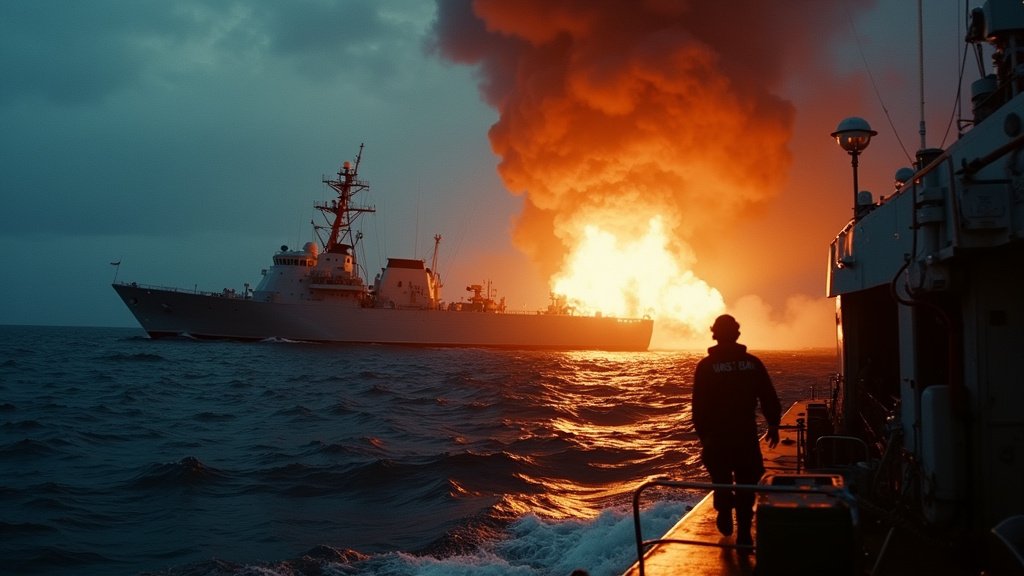
The U.S. military conducted a strike on a vessel in the eastern Pacific. This marked the first known attack of its kind since the capture of Venezuelan President Nicolás Maduro. The U.S. Southern Command confirmed the action. Intelligence showed the boat was on known drug-trafficking routes. It was actively engaged in narco-trafficking operations. The strike resulted in two fatalities. One survivor was found. This individual was turned over to the Coast Guard.
Escalation of Counter-Narcotics Operations
This incident is part of a broader U.S. effort. The military has intensified its focus on maritime drug interdiction. Since September, the U.S. has carried out numerous strikes. These operations target suspected drug-smuggling vessels. They have occurred in both the Caribbean Sea and the eastern Pacific Ocean. This marks a significant escalation in counternarcotics efforts.
The Context of Maduro’s Capture
The strike follows closely on the heels of Nicolás Maduro’s capture. The U.S. had sought Maduro on drug trafficking charges. He was indicted in the Southern District of New York. The charges included a role in a narco-terrorism conspiracy. Maduro and his wife, Cilia Flores, were taken from their home. They were then transported to New York. This event intensified U.S. focus on Venezuela. The U.S. has been seizing sanctioned oil tankers linked to Venezuela.
A History of Strikes
The U.S. military has conducted many strikes on alleged drug vessels. Since September, the military reports over 30 such strikes. These operations have taken place in South American waters. They have resulted in many deaths. Reports indicate at least 117 people have died in these incidents. The majority of these strikes occurred in the Caribbean Sea. This recent strike in the eastern Pacific extends the operational area. It highlights a persistent threat in regional news.
U.S. Southern Command’s Role
U.S. Southern Command (SOUTHCOM) leads these enhanced counter-narcotics operations. Their mission aims to disrupt drug flow. It also seeks to degrade transnational criminal organizations. Interoperability with partner nations is a key goal. Cooperative Security Locations in El Salvador and Aruba-Curacao support these efforts. The operations are part of a larger strategy. This strategy combats organized crime in the Western Hemisphere.
The Drug Trafficking Threat
Drug trafficking remains a significant challenge. It fuels violence and instability. The Caribbean and eastern Pacific are key transit routes. U.S. authorities allege that Venezuelan leadership has been involved in this trade for decades. These allegations point to a state-sponsored drug trafficking organization. The scale of cocaine transported is immense.
Broader Implications
The U.S. military’s intensified campaign has drawn attention. Some experts question the scope. They note the large naval deployment against small drug boats. Traditional law enforcement methods were once the standard. This new approach involves direct military action. The focus on seizing Venezuelan oil tankers also signals strategic pressure. The administration aims to control Venezuela’s oil revenue.
Ongoing Operations and Future Outlook
The operations are ongoing. The U.S. military maintains a strong presence. This posture aims for safety and security. The recent strike underscores the continued fight against drug smuggling. It also reflects the complex geopolitical situation in the region. The effectiveness and legality of these strikes remain subjects of discussion. The news cycle continues to follow these developments closely. The long-term impact on regional lifestyle and security is yet to be fully determined.US Military Strikes Drug Boat in Eastern Pacific, First Since Maduro’s Capture
The U.S. military conducted a strike on a vessel in the eastern Pacific. This marked the first known attack of its kind since the capture of Venezuelan President Nicolás Maduro. The U.S. Southern Command confirmed the action. Intelligence showed the boat was on known drug-trafficking routes. It was actively engaged in narco-trafficking operations. The strike resulted in two fatalities. One survivor was found. This individual was turned over to the Coast Guard.
Escalation of Counter-Narcotics Operations
This incident is part of a broader U.S. effort. The military has intensified its focus on maritime drug interdiction. Since September, the U.S. has carried out numerous strikes. These operations target suspected drug-smuggling vessels. They have occurred in both the Caribbean Sea and the eastern Pacific Ocean. This marks a significant escalation in counternarcotics efforts.
The Context of Maduro’s Capture
The strike follows closely on the heels of Nicolás Maduro’s capture. The U.S. had sought Maduro on drug trafficking charges. He was indicted in the Southern District of New York. The charges included a role in a narco-terrorism conspiracy. Maduro and his wife, Cilia Flores, were taken from their home. They were then transported to New York. This event intensified U.S. focus on Venezuela. The U.S. has been seizing sanctioned oil tankers linked to Venezuela.
A History of Strikes
The U.S. military has conducted many strikes on alleged drug vessels. Since September, the military reports over 30 such strikes. These operations have taken place in South American waters. They have resulted in many deaths. Reports indicate at least 117 people have died in these incidents. The majority of these strikes occurred in the Caribbean Sea. This recent strike in the eastern Pacific extends the operational area. It highlights a persistent threat in regional news.
U.S. Southern Command’s Role
U.S. Southern Command (SOUTHCOM) leads these enhanced counter-narcotics operations. Their mission aims to disrupt drug flow. It also seeks to degrade transnational criminal organizations. Interoperability with partner nations is a key goal. Cooperative Security Locations in El Salvador and Aruba-Curacao support these efforts. The operations are part of a larger strategy. This strategy combats organized crime in the Western Hemisphere.
The Drug Trafficking Threat
Drug trafficking remains a significant challenge. It fuels violence and instability. The Caribbean and eastern Pacific are key transit routes. U.S. authorities allege that Venezuelan leadership has been involved in this trade for decades. These allegations point to a state-sponsored drug trafficking organization. The scale of cocaine transported is immense.
Broader Implications
The U.S. military’s intensified campaign has drawn attention. Some experts question the scope. They note the large naval deployment against small drug boats. Traditional law enforcement methods were once the standard. This new approach involves direct military action. The focus on seizing Venezuelan oil tankers also signals strategic pressure. The administration aims to control Venezuela’s oil revenue.
Ongoing Operations and Future Outlook
The operations are ongoing. The U.S. military maintains a strong presence. This posture aims for safety and security. The recent strike underscores the continued fight against drug smuggling. It also reflects the complex geopolitical situation in the region. The effectiveness and legality of these strikes remain subjects of discussion. The news cycle continues to follow these developments closely. The long-term impact on regional lifestyle and security is yet to be fully determined.