
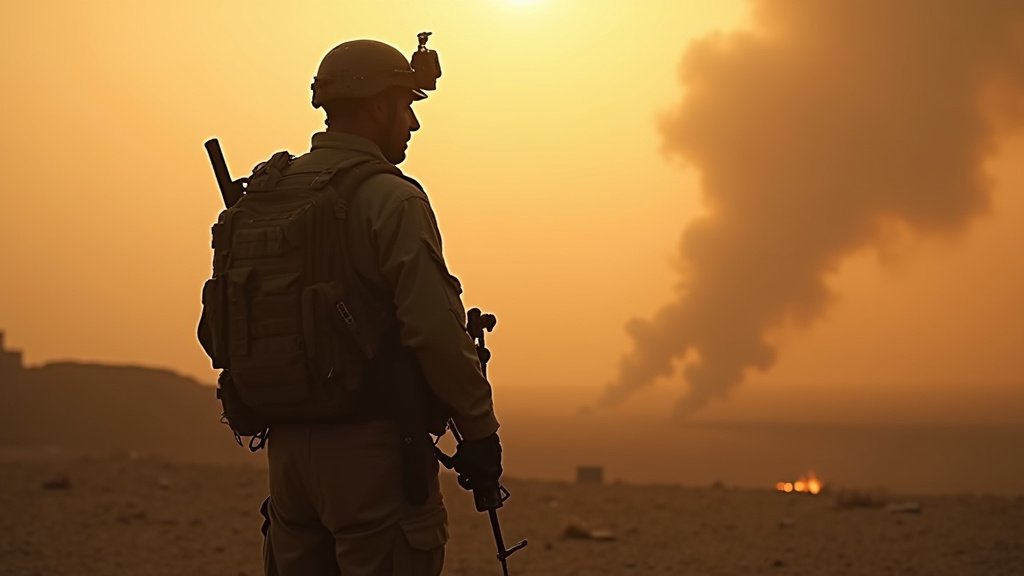
Deadly violence shook Balochistan province. Pakistani forces ended a major operation. This operation followed coordinated militant attacks. The intense clashes lasted 40 hours. Pakistani security forces reported significant success. They claimed to have killed 145 insurgents. This marks a critical escalation in the region.
Coordinated Attacks Rock Balochistan
The crisis began on January 31, 2026. Militants launched widespread attacks. These assaults hit multiple locations. Targets included police stations. They also struck security installations. A high-security prison was also attacked. Civilian areas were not spared. The Balochistan Liberation Army (BLA) claimed responsibility. They called their offensive “Operation Herof.” This operation aimed to disrupt Pakistan’s control. It showed the group’s reach. Such coordinated actions are rare. They highlight regional instability.
High Casualties Reported
The 40-hour counterterrorism operation yielded a heavy toll. Pakistani authorities stated 145 insurgents died. They also reported civilian losses. Eighteen civilians lost their lives. Fifteen security personnel were killed. Several others sustained injuries. These figures reflect the severity of the conflict. The violence created widespread fear. It disrupted daily life across the province.
BLA’s Claims and Operation Herof
The Baloch Liberation Army is a key group. It seeks greater autonomy for Balochistan. Sometimes, it demands full independence. The group stated its attacks were retaliatory. They cited security force actions. The BLA claimed to have neutralized many Pakistani personnel. Their claims sometimes differ from official reports. Operation Herof demonstrated their planning ability. It involved attacks across many cities. This included Quetta and Panjgur. The group’s actions underscore their ongoing struggle.
Pakistan Accuses India
Pakistan’s government leveled serious accusations. They alleged India supported the BLA. Interior Minister Mohsin Naqvi made these claims. He stated India planned the attacks. He said India provided financial support. They also allegedly provided strategic planning. Pakistan’s military echoed these sentiments. They referred to the militants as “Indian-backed terrorists.” This narrative is common from Pakistan. It aims to deflect internal criticism. Pakistan has a history of such accusations. However, they often lack concrete proof.
India’s Strong Denial
India swiftly rejected Pakistan’s allegations. The Ministry of External Affairs responded. Spokesperson Randhir Jaiswal called the claims “baseless.” He described them as “usual tactics.” India believes Pakistan uses these claims to deflect attention. They pointed to Pakistan’s “internal failings.” India also highlighted Pakistan’s human rights record. India stated Pakistan should address its own issues. It should focus on the region’s people. India has consistently denied any involvement. This denial is crucial for regional diplomacy.
Preceding Raids in Harnai and Panjgur
Before the main attacks, security forces conducted raids. These operations occurred just days prior. They targeted militant hideouts. The raids took place in Harnai and Panjgur districts. Pakistani forces claimed to kill 41 insurgents. These separate engagements aimed to curb militant activity. They occurred in late January 2026. The military also alleged Indian backing in these raids. This highlights a pattern of conflict and accusations.
Broader Balochistan Context
Balochistan has long faced an insurgency. Separatist groups fight for rights and resources. They accuse Pakistan of exploitation. The province is rich in natural resources. It remains underdeveloped. The BLA is a prominent group. It targets security forces and infrastructure. China’s economic projects in the region are also targets. This conflict affects regional stability. It draws international attention to human rights concerns. The world watches developments closely.
Ongoing Tensions and Future Outlook
The recent events underscore the volatile situation. Coordinated attacks and massive counter-operations create fear. Accusations between India and Pakistan escalate tensions. The ongoing conflict in Balochistan poses a major challenge. It impacts regional security and global news cycles. Pakistan vows to continue its fight against militancy. The BLA vows to continue its struggle. The world observes for signs of de-escalation. Peace remains elusive in this strategic region. This news highlights critical global security issues today.