
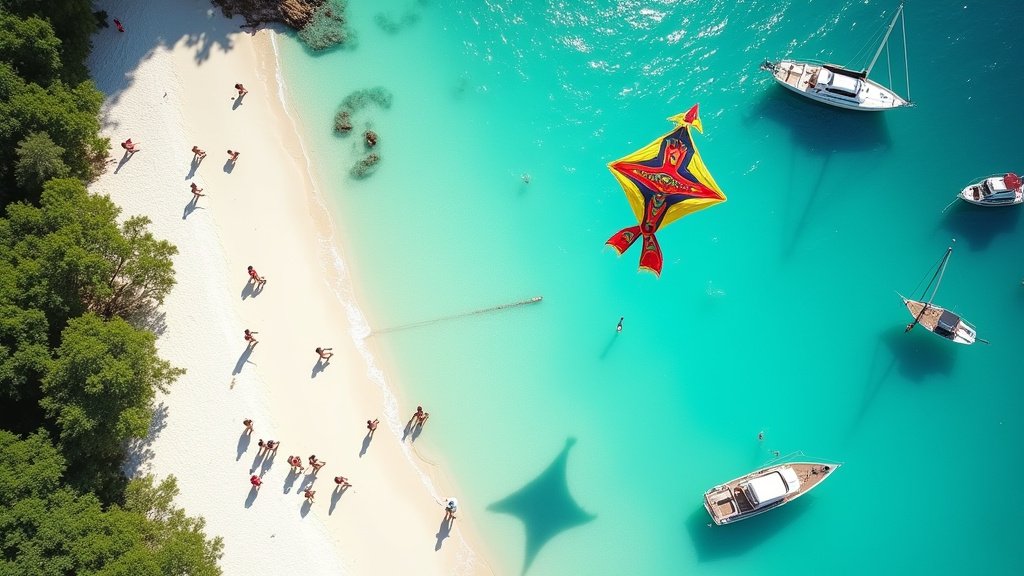
As the trade winds soften and the Caribbean sun hits its annual sweet spot, Antigua and Barbuda has officially entered its most vibrant season. The “Spring Comes Alive” campaign, currently sweeping through the twin-island nation, signals far more than just a change in weather; it marks the zenith of the 2026 cultural and sporting calendar. From the world-renowned whitecaps of English Harbour to the burgeoning gastronomy scene in St. John’s, the islands are currently positioned as the ultimate epicenter for travelers seeking a mix of elite sporting heritage and authentic cultural immersion.
Key Highlights
- Antigua Sailing Week Returns: The 57th edition of the Caribbean’s premier regatta takes place from April 22–26, 2026, featuring a streamlined, four-day format designed for both competitive racers and social cruisers.
- Cultural Kite Traditions: The season is marked by the localized tradition of kite flying—a spectacle that transforms the skies over 365 beaches into a tapestry of color, symbolizing the islands’ heritage of resilience and joy.
- Culinary Renaissance: A major focus on local, farm-to-table dining is anchoring the season, with new restaurant offerings and a continued push for authentic Antiguan flavors.
- Infrastructure Milestones: Significant investments in the V.C. Bird International Airport and new cruise terminal facilities are facilitating smoother travel experiences, bolstering the nation’s MICE (Meetings, Incentives, Conferences, and Exhibitions) sector throughout the spring.
The Zenith of Caribbean Maritime Culture
At the heart of the spring surge is the unmistakable roar of the sea. Antigua has long held the title of the sailing capital of the Caribbean, and for the 2026 season, the focus is squarely on accessibility and the return to “Around Antigua” heritage courses. The Antigua Sailing Week, scheduled for April 22–26, represents a pivot point for the local economy and tourism sector. This year’s event has been carefully curated to address the evolving needs of the modern sailor—offering a more flexible, four-day schedule that appeals to a diverse array of participants, from the high-stakes professional racing teams to the casual ralliers who anchor at night to enjoy the island’s legendary hospitality.
The Racing Shift
For the 2026 edition, race organizers have reintroduced point-to-point courses, a move intended to showcase the island’s varied coastline while minimizing the logistical strain on the fleet. This shift isn’t just aesthetic; it’s strategic. By creating a more dynamic racing environment, the islands are positioning themselves as a year-round hub for maritime excellence, not just a destination for a single week of high-intensity racing. The event also serves as a critical economic multiplier, with thousands of sailors, support staff, and spectators injecting capital into the local service and hospitality sectors, effectively extending the traditional tourism season well into late spring.
Kites and Cultural Continuity
Beyond the regattas, the spring season in Antigua is defined by the ephemeral beauty of kite-flying. Rooted in traditional Easter celebrations and cultural festivals, the act of flying kites has become a symbol of the islands’ spirit. As the winds pick up across the coastline, the sight of handmade kites—many crafted with traditional materials—dotting the skyline serves as a visual metaphor for the nation’s soaring ambitions in the tourism sector. This cultural practice has been integrated into the ‘Spring Comes Alive’ narrative, offering visitors a window into local traditions that persist alongside the modern luxury developments.
A Culinary Landscape Evolving
Antigua and Barbuda is currently undergoing a quiet but significant gastronomic transformation. The 2026 tourism outlook places high emphasis on ‘Eat Like a Local’ initiatives, designed to showcase the islands’ indigenous ingredients. Chefs across the destination are increasingly leveraging the ‘Blue Economy’—sourcing fresh, sustainable seafood directly from local fishers—and integrating traditional crops like black pineapple and local tubers into high-end menus. This farm-to-table shift is a calculated move to compete with larger Caribbean destinations, prioritizing quality, provenance, and storytelling over generic international hotel fare.
Secondary Angles: Strategic Growth and Historical Context
Economic Resilience and the Infrastructure Pivot
The vitality of the 2026 spring season is underpinned by a massive $50 million investment in V.C. Bird International Airport’s runway rehabilitation, alongside the maturation of the new cruise terminal in St. John’s. These aren’t just construction projects; they are pillars of a broader, people-centered tourism strategy. By expanding capacity, the government is aiming to move beyond volume-based tourism and towards a model that supports local vendors, artisans, and small-business owners. The goal is clear: ensure that the wealth generated by the spike in spring visitors is distributed across the community, from the airport tarmac to the beachside snack shacks.
The UNESCO Connection
It is impossible to discuss the atmosphere of a spring in Antigua without referencing Nelson’s Dockyard. As a UNESCO World Heritage Site, the Dockyard acts as the stage for much of the sailing week’s festivities. The preservation of this 18th-century naval base provides an unparalleled backdrop, anchoring the modern, high-speed sailing races in history. This juxtaposition—the cutting-edge carbon-fiber yachts anchored beside colonial-era stone buildings—is the quintessential Antiguan experience, one that differentiates the destination from the more generic resort landscapes of the wider Caribbean.
Sustainable Future Outlook
As the world looks toward more responsible travel, Antigua and Barbuda is doubling down on sustainable development. The ‘Spring Comes Alive’ campaign is more than a marketing slogan; it is an invitation to engage with a destination that is attempting to balance the demands of luxury development—such as the new Moon Gate Hotel & Spa and the high-profile Marriott and Nobu projects—with environmental stewardship. The focus on MICE tourism and year-round event hosting aims to smooth out the seasonal ‘peaks and valleys’ of the tourism economy, creating stable, year-round employment for the local workforce.
FAQ: People Also Ask
Q: What is the best way to experience Antigua Sailing Week if I am not a sailor?
A: You don’t need to be on a boat to enjoy the festivities. The social scene is centered around the Race Village in English Harbour, offering live music, local food, and optimal vantage points to watch the race starts and finishes. Many local tour operators also offer ‘chase boats’ that allow spectators to get close to the action on the water.
Q: How has the new cruise terminal impacted the island’s spring tourism?
A: The new terminal in St. John’s Harbour has significantly increased capacity for larger vessels and enhanced the visitor experience upon arrival. It allows for smoother transitions for passengers and opens up more opportunities for local artisans and tour operators to engage directly with visitors, creating a more cohesive tourist experience.
Q: Are there events for families during the ‘Spring Comes Alive’ season?
A: Yes, the spring season is highly family-oriented. Beyond the regatta, the cultural kite festivals and numerous beach events are designed for all ages. Most resorts also offer family-specific programming that highlights Antiguan history and marine life during the school holiday periods.
Q: How far in advance should I book for Spring 2026?
A: Given that events like Antigua Sailing Week and the peak spring period see high demand, booking at least 3-6 months in advance is recommended. For major regattas, accommodations in the English and Falmouth Harbour areas fill up very quickly.