
The Cayman Islands are bracing for an exceptionally sweltering summer, as the National Weather Service (NWS) has officially issued a heatwave advisory signaling the onset of potentially record-breaking temperatures. As the environment transitions into an El Niño phase between May and July, local meteorologists are warning residents and businesses to prepare for frequent and prolonged heat events that threaten to strain infrastructure, water supplies, and public health across the archipelago. The advisory, released this week, serves as a proactive measure to mitigate the risks of a season expected to mirror the volatile conditions of 2023.
Key Highlights
- NWS Heatwave Advisory: The National Weather Service has issued a formal warning for the 2026 wet season, citing high probability of frequent heatwaves.
- The El Niño Catalyst: The transition to an El Niño environment, expected to take hold between May and July, is the primary driver for the forecast of above-average temperatures.
- Historical Precedent: Meteorologists are comparing the upcoming outlook to 2023, a year that saw 10 distinct heatwaves and a record-shattering high of 95.5°F.
- Broad-Spectrum Risks: Officials emphasize that the danger extends beyond mere discomfort, impacting freshwater reservoirs, the stability of the local energy grid, agricultural yield, and coral reef health.
A Season Under Pressure: Analyzing the 2026 Heat Outlook
The declaration of a heatwave advisory by the Cayman Islands National Weather Service is a significant development in the region’s climate strategy. For a nation where tourism and outdoor activity are the lifeblood of the economy, the transition to an El Niño environment is not merely a technical weather observation; it is an economic and public safety challenge. As the Pacific signals for an El Niño emerge, the Caribbean basin finds itself on the front lines of a global climate pattern that historically results in reduced rainfall and elevated atmospheric temperatures.
Understanding the El Niño Mechanism
To understand why the Cayman Islands are facing such a rigorous summer, one must look at the macro-climate drivers. El Niño—the warm phase of the El Niño-Southern Oscillation (ENSO)—typically disrupts standard wind patterns across the Atlantic. While this shift often provides a silver lining by increasing wind shear, which can suppress the development of tropical storms and hurricanes, the trade-off is often a stifling, stagnant heat.
Without the cooling influence of trade winds and the presence of clouds to shield the surface from direct solar radiation, the Cayman Islands become susceptible to “trapped” heat. The NWS, led by input from forecasters like Kerrie Forbes, is highlighting that the absence of overnight cooling is a specific point of concern. A heatwave is not defined just by a single hot afternoon; it is defined by the inability of the environment to recover at night. When minimum temperatures remain elevated, the cumulative stress on human bodies, power grids, and ecosystems compounds, leading to the health and infrastructure issues the government is now attempting to preempt.
The Shadow of 2023: A Benchmark for Crisis
The 2023 season serves as a dark benchmark for the current warnings. During that year, the islands experienced ten distinct heatwave events. The most notable was a 23-day stretch of extreme temperatures that culminated in a record-high of 95.5°F on July 21. That summer forced a re-evaluation of how the islands manage peak energy demand and public safety. Residents will recall the increased utility bills and the strain on the Caribbean Utility Company’s generators as air conditioning demand surged to meet the relentless humidity. The 2026 forecast suggests that we are heading toward an eerily similar scenario, prompting authorities to move early with public education campaigns, urging hydration and the restriction of strenuous outdoor activities during peak daylight hours.
Economic and Infrastructure Ripple Effects
Beyond the thermometer, the heatwave advisory acts as an economic bellwether. The energy sector is particularly vulnerable. In the Cayman Islands, the cost of diesel remains a critical factor in the price of electricity. As generators are forced to run at higher capacities to compensate for cooling demands, the likelihood of energy costs rising is high. This creates a dual-pressure environment for residents: dealing with the physical stress of the heat while simultaneously absorbing the financial shock of increased energy consumption.
Furthermore, the agricultural sector faces significant challenges. The combination of high heat and the projected reduction in rainfall under El Niño conditions creates a precarious situation for local farmers who rely on precise precipitation cycles. Freshwater resources, often managed through delicate desalination and groundwater extraction processes, may also come under scrutiny as demand for water rises while natural recharge rates potentially dip.
Environmental Stewardship in High Temperatures
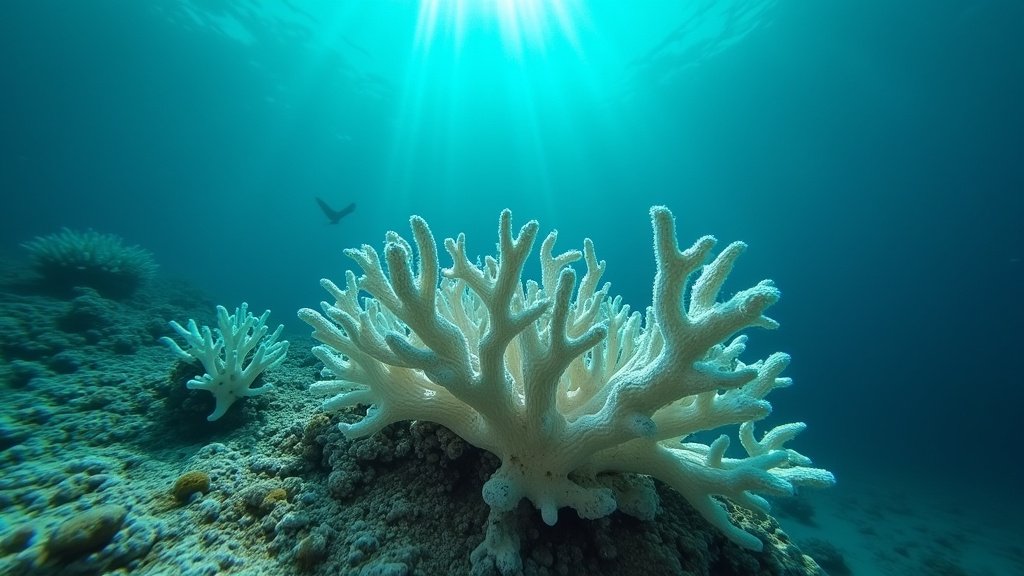
Perhaps the most silent yet significant victim of these heatwaves is the marine environment. The heat does not stop at the shoreline. Previous El Niño events have been catastrophic for the reefs surrounding the Cayman Islands. Research conducted in the wake of the 2023-2024 marine heatwave highlighted the stark reality of coral bleaching: when temperatures remain elevated for extended periods, the coral reefs—a fundamental pillar of the islands’ tourism and coastal protection—experience mass bleaching and mortality. As the Department of Environment monitors these trends, the heatwave advisory serves as a grim reminder that protecting these reefs requires managing the very factors—like thermal stress—that we are now forecasting for the months ahead.
FAQ: People Also Ask
Q: What defines a ‘heatwave’ in the Cayman Islands?
A: According to the National Weather Service, a heatwave is characterized by daily maximum temperatures meeting or exceeding a specific local heatwave threshold, coupled with minimum temperatures that stay above the monthly average, persisting for at least three consecutive days.
Q: How does El Niño affect hurricane risk during a heatwave?
A: El Niño typically creates wind shear across the Caribbean, which can hinder the development of tropical systems and hurricanes. While this may reduce the frequency of storms, it also correlates with hotter, drier weather, creating the risk of prolonged heatwaves.
Q: What steps should residents take during the advisory period?
A: Officials recommend prioritizing hydration, limiting strenuous outdoor activities between 10:00 AM and 4:00 PM, checking on vulnerable neighbors or the elderly, and ensuring that air conditioning units are serviced and efficient to handle increased usage.
Q: Why does the weather not ‘cool down’ at night during these events?
A: When the atmosphere is dominated by high-pressure systems associated with these heatwave patterns, humidity remains trapped, and a lack of cloud cover allows daytime heat to persist into the evening, preventing the typical nocturnal relief.