
Iranian Foreign Minister Abbas Araghchi has made a pivotal return to Islamabad this Sunday, marking a high-stakes moment in the ongoing efforts to mediate a ceasefire between Tehran and Washington. As global energy markets remain in a state of heightened volatility—driven by the severe naval standoff in the Strait of Hormuz—the Pakistani capital has emerged as the central theater for preventing a wider, more catastrophic regional conflict. With the temporary ceasefire between U.S. forces and Iran currently hanging in the balance, this latest diplomatic shuttle signals that both sides, despite recent rhetoric, remain engaged in the search for a viable de-escalation pathway.
Key Highlights
- Diplomatic Return: Foreign Minister Abbas Araghchi has returned to Islamabad for urgent consultations, emphasizing Pakistan’s unique position as a neutral mediator in the U.S.-Iran conflict.
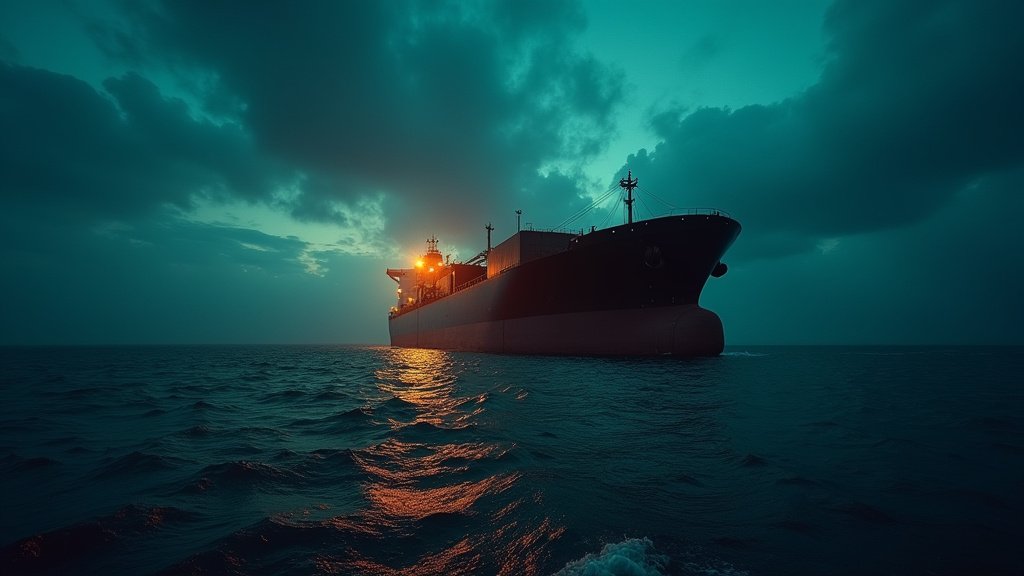
- Energy Crisis Pressure: The ongoing naval blockade at the Strait of Hormuz has severely constrained global oil and LNG transit, intensifying the urgency for a breakthrough in ceasefire negotiations.
- Stalled Peace Processes: With previous rounds of talks ending inconclusively and the temporary ceasefire nearing expiration, the international community is closely watching these renewed discussions.
- Pakistan’s Strategic Role: Islamabad is balancing its internal energy security needs with its responsibilities as an international intermediary, navigating a complex web of regional and global pressures.
Navigating the Strait: Pakistan’s High-Stakes Mediation in the Global Energy Crisis
The return of Iran’s top diplomat to Islamabad is not merely a procedural step; it is a desperate race against the clock to stabilize a global economy reeling from the shock of an energy supply disruption. The stakes could not be higher. As the Strait of Hormuz—a vital artery through which a significant portion of the world’s daily oil supply passes—remains effectively obstructed by a naval standoff, the pressure on global fuel prices is mounting. This conflict, which expanded from targeted strikes in February to a full-scale naval blockade, has pushed international markets into a precarious state, with energy importers like Pakistan facing the dual threat of domestic fuel shortages and skyrocketing import costs.
The Strategic Return to Islamabad
Araghchi’s decision to return to Pakistan after a brief departure suggests that behind-the-scenes negotiations have reached a critical threshold. While Iranian state media has framed the visit as bilateral, analysts note that the presence of high-level diplomatic delegations in Islamabad indicates the presence of indirect communication channels with the United States. Pakistan, by offering a ‘neutral’ zone for these discussions, has leveraged its long-standing relationship with both Tehran and Washington to keep the possibility of a political settlement alive. The diplomatic dance is complex; Iran is demanding an end to the naval siege, while the U.S. administration remains focused on curbing Tehran’s regional influence and ensuring the security of international maritime lanes.
Hormuz Blockade and the Energy Shock
The central economic variable in this crisis is the state of the Strait of Hormuz. The blockade has resulted in a sharp reduction in vessel transit, causing Brent crude and West Texas Intermediate (WTI) futures to oscillate near three-figure price points. For Pakistan, which imports a vast majority of its energy requirements, the crisis is existential. The government is struggling with significant power deficits, exacerbated by shortages of liquefied natural gas (LNG) from the Gulf, which are essential for feeding the nation’s gas-fired power plants. This energy poverty has, in turn, fueled public discontent, forcing the political and military leadership in Islamabad to treat the mediation process as a matter of urgent national security rather than just foreign policy.
Assessing the Mediation Framework
Pakistan’s mediation strategy relies on a delicate balance. By acting as the intermediary, Islamabad seeks to avoid being forced into taking sides, a position that would have catastrophic domestic consequences given the country’s diverse political and religious landscape. Previous attempts at mediation—including those during the 1979 revolution and the Afghan peace process—provide a roadmap for how Pakistan might navigate these negotiations. However, the current situation is complicated by the presence of third-party actors and the intensity of the U.S.-Iran military confrontation. The effectiveness of these talks will depend on whether the parties can move beyond the “ceasefire-as-a-stopgap” model toward a more durable framework that addresses the core security concerns of both the U.S. and Iran. The current “pause” is essentially a thin veneer over a potentially volatile situation that could resume at any moment if the diplomatic efforts in Islamabad fail.
Domestic Pressure and Regional Stability
Beyond the international headlines, there is the internal reality for Pakistan. The government is currently balancing its role as a global peacemaker with the domestic crisis of rolling blackouts and inflation. The scarcity of energy has forced the administration to prioritize industrial and residential stability, yet these are the very sectors currently suffering from the lack of reliable energy imports. If the diplomatic mission fails, the ripple effects will not only be felt in the global market but also in the streets of Pakistani cities, where citizens are increasingly weary of the uncertainty. The military establishment, which plays a significant role in Pakistan’s foreign policy, is likely pushing for a quick resolution to minimize the spillover of the conflict, particularly regarding the potential for sectarian tensions to spike if the broader regional war continues to deteriorate.
Looking Ahead: The Path to De-escalation
The road ahead is fraught with risks. Any failure in the current round of talks could lead to an immediate escalation of the naval conflict in the Gulf, potentially triggering a spike in energy prices that the global economy may not be able to absorb. Furthermore, the role of other regional powers cannot be underestimated. Countries like Oman, which have historically played a role in mediating US-Iran relations, are watching the Islamabad talks closely. If Araghchi’s current diplomatic tour, which reportedly includes stops in other capitals, proves successful, it could provide the breathing room necessary for a longer-term dialogue. However, as the history of this conflict shows, the path to peace is rarely linear. The immediate focus remains on the specific mechanics of the ceasefire: can the U.S. ease the blockade, and will Iran accept the necessary safeguards to allow for the safe passage of international shipping? This is the core question that will determine whether the world experiences a prolonged energy shock or finds a return to normalcy.
FAQ: People Also Ask
1. Why is Pakistan mediating between the U.S. and Iran?
Pakistan has a unique geopolitical position, sharing a border with Iran and maintaining historical ties with the United States. Its neutrality and ability to communicate with both sides make it an effective, albeit underutilized, diplomatic intermediary in times of crisis.
2. How does the conflict in the Strait of Hormuz affect the global energy crisis?
A significant portion of the world’s daily oil and LNG supply passes through the Strait of Hormuz. The current naval blockade has severely restricted shipping, leading to supply shortages and higher energy prices globally.
3. What is the current status of the U.S.-Iran ceasefire?
The ceasefire is currently fragile and temporary. Negotiations in Islamabad are focused on preventing the resumption of hostilities and establishing a more durable agreement that addresses the naval blockade and broader regional security concerns.
4. What are the domestic impacts of this crisis on Pakistan?
Pakistan faces significant energy shortages, including power outages and difficulty securing LNG. The government is navigating these domestic challenges while simultaneously leading high-level diplomatic efforts to de-escalate the regional conflict.