
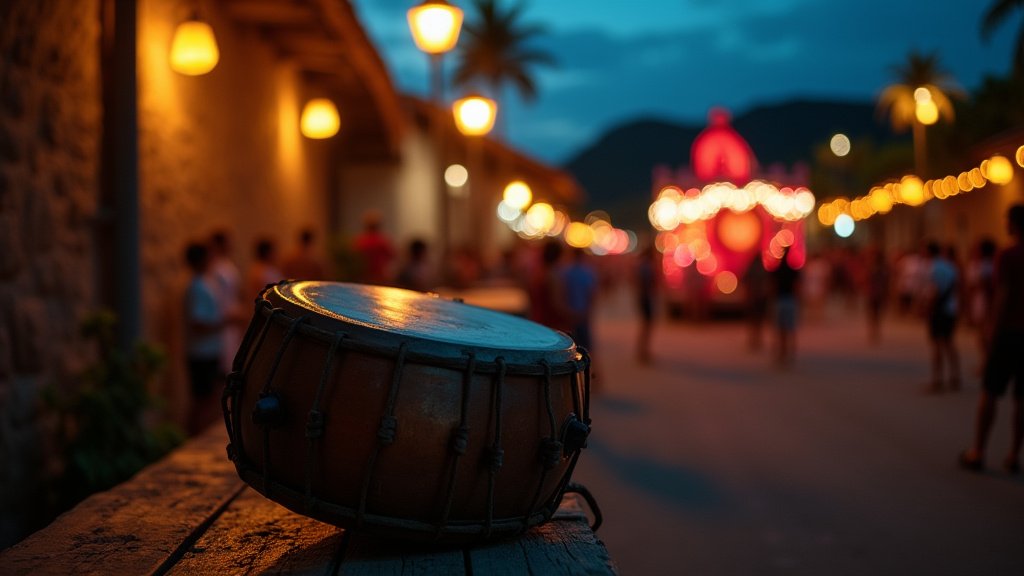
The 74th annual St. Thomas Carnival 2026 has officially descended upon the U.S. Virgin Islands, turning the streets of Charlotte Amalie into a kaleidoscope of color, rhythm, and history. As the territory’s most anticipated cultural event, this year’s week-long celebration—running from April 26 through May 2—serves as a powerful testament to Virgin Islands resilience, creativity, and the enduring strength of Caribbean traditions. From the early-morning energy of J’ouvert to the thunderous, melodic arrival of the grand parades, the carnival is not merely a festival; it is a profound expression of identity that draws thousands of revelers, diaspora, and international visitors to the heart of the Caribbean.
Key Highlights
- Cultural Legacy: Celebrating its 74th edition, the festival continues to preserve unique USVI customs, including traditional pageantry and local musical performances.
- Signature Events: The 2026 calendar is packed with marquee events including the Food Fair at Crown Bay, the dawn-breaking J’ouvert, and the grand Children’s and Adult’s Parades.
- Musical Showcase: Carnival Village at the Fort Christian Lot serves as the nightly epicentre, featuring a mix of regional Soca, Calypso, and international headliners.
- Economic Driver: The influx of visitors provides a critical boost to the local economy, supporting vendors, artists, and the hospitality sector across the territory.
A Symphony of Culture: The 2026 St. Thomas Carnival Experience
A Legacy of Resilience and Celebration
To understand the magnitude of the St. Thomas Carnival 2026, one must appreciate the history that precedes it. What began decades ago as a grassroots expression of joy and communal solidarity has blossomed into a sophisticated, highly organized, and globally recognized event. It serves as a vital cultural anchor for the U.S. Virgin Islands, a territory with a complex and rich history. The carnival functions as a modern-day celebration of emancipation and freedom, expressed through the liberation of movement, the vibrant saturation of costume design, and the collective storytelling found in Calypso music.
This year’s edition is particularly poignant. Following years of growth and adaptation, the 2026 celebration feels like a return to pure, unadulterated energy. The U.S. Virgin Islands Division of Festivals has meticulously curated the schedule to honor these roots while embracing contemporary production values. The result is a seamless blend of the old and the new, where steel pan music resonates alongside modern sound systems, and generational knowledge is passed down to a new cohort of revelers.
The 2026 Itinerary: Where Culture Meets Energy
The scheduling of the St. Thomas Carnival 2026 was designed to maximize cultural immersion. By spreading festivities across a full week, the organizers allow visitors to pace themselves, ensuring they catch the nuances of each event. The week kicked off with the highly energetic Boat Races at the Waterfront Apron, setting a maritime theme that reflects the island’s deep connection to the sea.
However, the undisputed highlight for many remains the J’ouvert celebration. Set for April 30, this pre-dawn event is arguably the most authentic expression of Carnival culture. As the sun rises over Charlotte Amalie, revelers follow music trucks through the streets, covered in paint, powder, and the infectious spirit of the island. Following J’ouvert, the focus shifts to the parades. The Children’s Parade on May 1 is a heartwarming display of the next generation taking ownership of their culture, while the Adult’s Parade on May 2 remains the festival’s grand finale—a two-mile route through the capital featuring thousands of masqueraders in elaborate, hand-crafted costumes that represent months of meticulous design work.
Economic Impact and Tourism
Beyond the revelry, the St. Thomas Carnival acts as a massive economic engine. The arrival of thousands of visitors—ranging from returning diaspora who treat the week as an annual homecoming to international travelers seeking cultural authenticity—fuels a surge in activity across the island. Local vendors at the Food Fair in Crown Bay, for instance, see a significant uptick in demand, showcasing traditional Virgin Islands cuisine such as pate, saltfish, and local fruit delicacies. This localized economic impact is vital, as it allows for the reinvestment into the creative economy, paying local artisans, costume designers, and musicians.
Furthermore, the carnival effectively promotes the USVI as a year-round destination. It highlights the archipelago’s ability to host large-scale, complex events while maintaining the charm of a Caribbean getaway. For the hospitality industry, this period is often a high-water mark, with hotels and private yacht charters filling up months in advance, demonstrating the global draw of the St. Thomas Carnival brand.
The Sound of the Islands: Music as the Lifeblood
Music is the nervous system of the St. Thomas Carnival. It is present in every facet of the week. The Carnival Village at the Fort Christian Lot acts as the nocturnal heartbeat of the festival. Each night, the stage hosts a rotating roster of performers that reflect the sonic diversity of the Caribbean. The inclusion of genres like Soca and Calypso is essential; these are not just styles of music but are the primary mediums for social commentary and historical storytelling in the Virgin Islands.
This year’s lineup, which includes international and homegrown talent, showcases the reach of Caribbean music in the global market. When a performer takes the stage in the Village, they are not just performing a set; they are participating in a conversation that has been happening for 74 years. The interaction between the crowd—who know every lyric—and the artists on stage is a unique dynamic that defines the visceral experience of the Carnival.
Preserving Cultural Identity in a Global World
Perhaps the most important aspect of the 2026 carnival is its role in preservation. In a digital age where globalization can sometimes erode local traditions, the St. Thomas Carnival stands as a fortress of specific cultural identity. The meticulous effort put into the pageants, the boat races, and the costume artistry ensures that these skills are not lost but are instead adapted for the modern era.
By engaging the youth through events like the Junior Calypso Show and the Children’s Parade, the Division of Festivals ensures that the torch is passed. This proactive approach to cultural education is what separates the St. Thomas Carnival from mere tourist spectacles. It remains a deeply local event that happens to invite the world to participate, rather than a tourist event that happens to take place in a local setting. As the festivities continue through the week, the pride of the Virgin Islands remains on full display, promising that the 74th edition will be remembered as a hallmark of cultural endurance and joy.
FAQ: People Also Ask
Q: What is the significance of the St. Thomas Carnival?
A: The St. Thomas Carnival is a 74-year-old tradition that celebrates the unique cultural heritage, history, and resilience of the U.S. Virgin Islands. It features music, parades, pageantry, and traditional foods, serving as both a community homecoming and a major cultural showcase.
Q: What are the must-attend events for visitors?
A: Key events include the J’ouvert (the early morning street party), the Food Fair at Crown Bay, the nightly performances at Carnival Village, and the grand Adult’s Parade on May 2nd.
Q: How does the carnival impact the local economy?
A: The carnival acts as a significant economic stimulus. It generates revenue for local vendors, artisans, musicians, and the hospitality sector by drawing thousands of visitors to the island, thereby supporting the local creative economy.
Q: Can tourists participate in the parade?
A: While the main parades are organized with registered troupes, the Carnival is designed to be an inclusive, vibrant celebration. Visitors are encouraged to join the festivities, enjoy the music, and experience the cultural atmosphere throughout the city of Charlotte Amalie.