
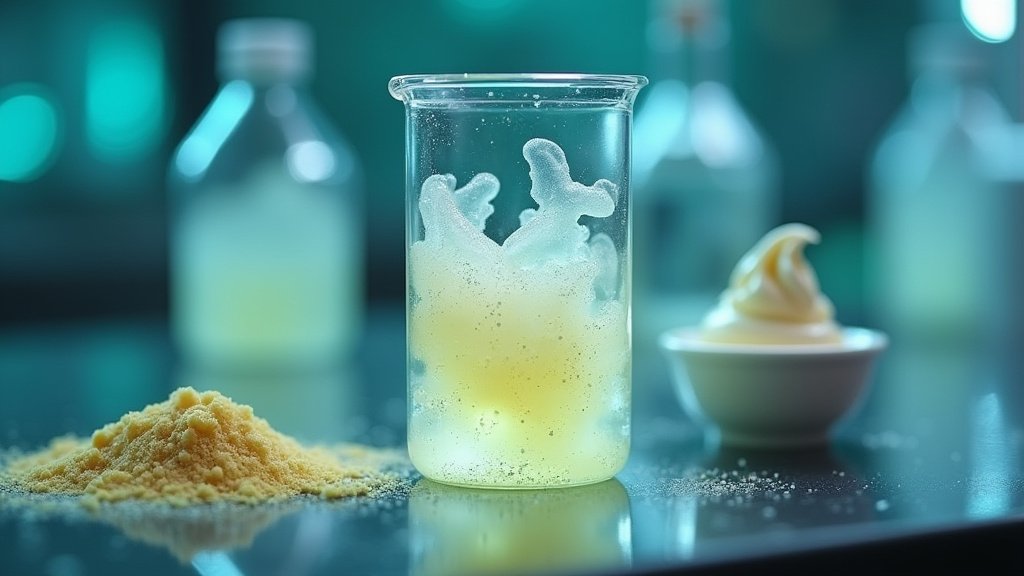
Caribbean Sargassum, once a major environmental concern for its vast influxes onto beaches, is now being explored as a sustainable food additive. Researchers are investigating its potential to be incorporated into products like ice cream, sauces, and other food ingredients, offering a novel solution to both waste management and food innovation.
Key Highlights:
- New Food Applications: Sargassum seaweed is being transformed into a potential food additive.
- Product Integration: Early research suggests uses in ice cream, sauces, and other food ingredients.
- Environmental Solution: This innovation could help mitigate the environmental impact of sargassum influxes.
- Nutritional Potential: The seaweed possesses nutritional properties that make it suitable for consumption.
From Beach Blight to Culinary Delight
The burgeoning crisis of sargassum seaweed washing ashore across the Caribbean has long been a significant environmental and economic challenge. Vast mats of the brown algae, originating from the North Atlantic, inundate coastlines, suffocating marine ecosystems, disrupting tourism, and posing disposal dilemmas. However, a wave of innovation is beginning to transform this ecological nuisance into a valuable resource. Scientists and entrepreneurs are now pioneering methods to harness sargassum’s potential, with a particular focus on its incorporation into the food industry. This emerging field is not just about waste reduction; it’s about unlocking a sustainable, nutrient-rich ingredient that could redefine product development in the culinary world.
The Science Behind Sargassum as Food
Sargassum, a type of macroalgae, is rich in complex carbohydrates, proteins, vitamins, and minerals. Its primary components include alginates, which are natural gelling agents, making it an ideal candidate for thickening and stabilizing food products. Researchers are particularly interested in alginates extracted from sargassum for their potential to replace synthetic additives in various food applications. The process typically involves harvesting the seaweed, processing it to remove impurities and excess salt, and then extracting or processing the useful compounds. Early studies have demonstrated that sargassum extracts can be used to create stable emulsions in sauces, add texture to dairy products like ice cream, and even serve as a base for nutrient-rich pastes. The nutritional profile also includes iodine, essential for thyroid function, and dietary fiber, beneficial for digestive health. This dual benefit of environmental remediation and nutritional enhancement positions sargassum as a promising ingredient for a more sustainable food future.
Innovative Applications: Ice Cream, Sauces, and Beyond
The versatility of sargassum-derived ingredients is opening doors to a range of exciting culinary applications. In ice cream production, alginates derived from sargassum can act as stabilizers, preventing the formation of ice crystals and ensuring a smooth, creamy texture without the need for artificial additives. This is particularly valuable in regions where sargassum is abundant, offering local producers a unique, sustainable ingredient. For sauces and dressings, sargassum extracts can provide the desired viscosity and mouthfeel, enhancing the overall sensory experience of the product. Beyond these immediate uses, there is potential for sargassum to be processed into flours or powders that can be incorporated into baked goods, pasta, or even used as a nutrient supplement in processed foods. The development of these applications is often driven by a desire to create value-added products from a material that is otherwise a costly disposal problem. This circular economy approach not only addresses environmental concerns but also stimulates economic opportunities within affected communities.
Addressing Environmental and Economic Challenges
The persistent arrival of sargassum blooms in the Caribbean has created significant economic burdens. Coastal communities reliant on tourism face degraded beaches, impacting visitor numbers and revenue. Fishermen contend with damaged gear and reduced catches due to sargassum’s interference with marine life. The cost of cleaning up and disposing of tonnes of seaweed is substantial for local governments and businesses. By developing viable uses for sargassum, such as in food production, a new economic stream can emerge. This not only helps offset the costs of cleanup but also creates jobs in harvesting, processing, and product development. Furthermore, reducing the amount of sargassum accumulating on beaches and in the ocean offers ecological benefits, including the restoration of critical habitats like coral reefs and seagrass beds that are often smothered by the seaweed. This shift from viewing sargassum as waste to recognizing its resource potential is a critical step towards sustainable coastal management.
Future Outlook and Research Directions
The research into sargassum as a food additive is still in its early stages, but the outlook is promising. Future efforts will likely focus on scaling up extraction and processing techniques to meet potential demand, ensuring consistent quality and safety standards for food-grade products. Further research into the specific nutritional benefits and potential allergens is also crucial. Regulatory approvals will be a key step in bringing sargassum-based food products to market. International collaboration between research institutions, food technology companies, and Caribbean governments will be essential to overcome the technical and logistical challenges. As climate change continues to influence oceanographic conditions, sargassum blooms are predicted to persist, making sustainable solutions like food ingredient utilization increasingly important. The potential for sargassum to contribute to a more resilient and innovative food system is vast, offering a tangible example of how environmental challenges can be met with creative scientific and economic solutions.
FAQ: People Also Ask
What are the main environmental problems caused by sargassum?
Sargassum influxes cause significant environmental problems by smothering coral reefs and seagrass beds, blocking sunlight necessary for their survival. They also disrupt marine ecosystems by interfering with the feeding and breeding patterns of various species, and can lead to oxygen depletion in coastal waters as they decompose, creating ‘dead zones’. The sheer volume can also impact beach health and coastal erosion.
Is sargassum safe to eat?
Research indicates that sargassum can be safe to eat after proper processing to remove impurities, excess salts, and potential toxins. Its high content of alginates and other nutrients makes it a potentially valuable food ingredient. However, thorough testing and regulatory approval are necessary before it can be widely commercialized as a food product to ensure safety and quality standards are met.
What are alginates and why are they important for food?
Alginates are natural polysaccharides extracted from brown seaweeds, including sargassum. They are widely used in the food industry as gelling agents, thickeners, and stabilizers. Alginates help to create desirable textures in products like ice cream, sauces, jams, and processed meats, and can also be used in encapsulation technologies for food ingredients and pharmaceuticals.
How does sargassum affect tourism in the Caribbean?
Sargassum significantly affects tourism by covering beaches with thick mats of seaweed, creating unpleasant odors as it decomposes, and hindering access to the water. This visual and olfactory pollution deters tourists, leading to reduced bookings, lower revenue for hotels and related businesses, and can necessitate costly cleanup operations.
What are the economic benefits of using sargassum as a food additive?
Utilizing sargassum as a food additive presents several economic benefits. It can transform a costly waste disposal problem into a valuable resource, creating new revenue streams. This fosters the development of new industries and jobs related to harvesting, processing, and product manufacturing. It can also reduce the economic burden on coastal communities and governments associated with beach cleanups and the negative impacts on tourism and fisheries.