
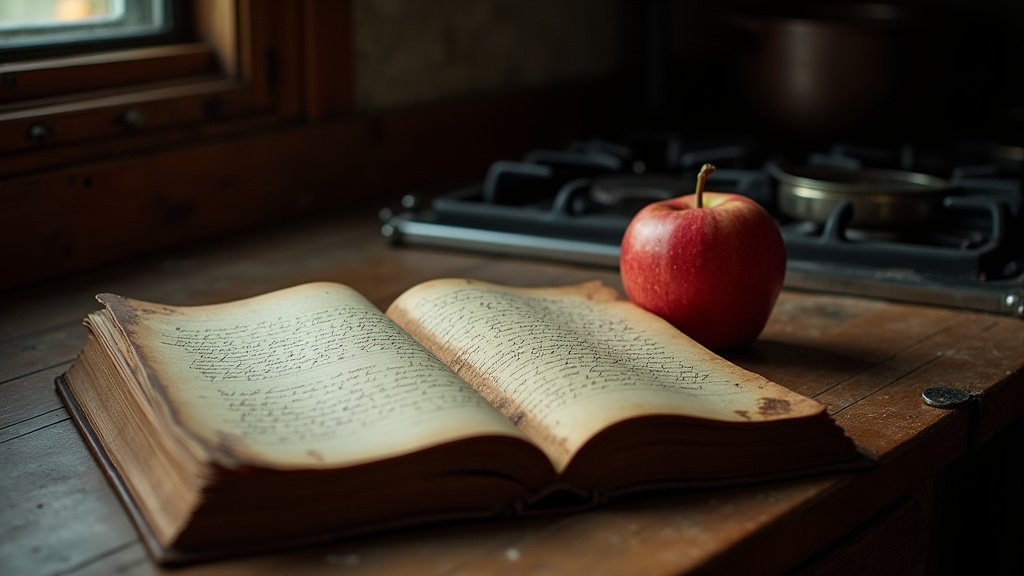
Four acclaimed chefs reveal the cherished family recipes passed down through generations, offering a taste of home and culinary heritage.
Key Highlights:
- Each chef shares a deeply personal recipe with roots in their mother’s cooking.
- These dishes often represent comfort, tradition, and family connection.
- The recipes blend nostalgia with professional culinary expertise.
- Tips are provided on how to recreate these beloved meals at home.
The Heart of the Home: Culinary Legacies Unveiled
The kitchen is often considered the heart of the home, a place where memories are made and traditions are kept alive. For many, these traditions are intrinsically linked to the food prepared by loved ones, especially mothers. Four celebrated chefs have opened up about the treasured recipes they inherited from their moms, sharing not just the ingredients and steps, but the stories and emotions woven into each dish. These are more than just recipes; they are culinary heirlooms, carefully preserved and now shared with the world, allowing home cooks to connect with their own heritage and perhaps even start new traditions.
A Taste of Childhood
The chefs recall the distinct aromas and flavors that defined their childhoods. For Chef Anya Sharma, it’s her mother’s slow-cooked Lamb Rogan Josh, a dish that filled their home with an intoxicating blend of spices every Sunday. “It wasn’t just about the food,” Anya explains, “it was the ritual, the gathering, the feeling of being unconditionally loved.” She emphasizes that her mother’s secret wasn’t just in the precise measurements, but in the patience and intention she poured into cooking. Recreating it now, Anya strives to capture that same essence, a testament to the enduring power of maternal love expressed through food.
The Master’s Touch: Adapting Tradition
Chef Jean-Pierre Dubois, a titan of French cuisine, fondly remembers his mother’s delicate Coq au Vin. While he has refined the technique in his Michelin-starred restaurants, the soul of the dish remains unchanged. “My mother taught me the importance of good ingredients and a gentle hand,” he states. “Her recipe was simple, honest, and utterly delicious. My version is perhaps more technically perfect, but it always aims to evoke the same warmth and comfort I felt as a child.” He adds that her use of a specific regional Burgundy wine was a non-negotiable element, a small detail that made a significant difference.
The Accidental Chef: Embracing Simplicity
For Chef Mateo Rossi, whose innovative approach to Italian-American fare has garnered international acclaim, it was his mother’s simple yet perfect Spaghetti Aglio e Olio. “She could make magic with just garlic, olive oil, and pasta,” Mateo marvels. “It taught me that complexity isn’t always necessary. Sometimes, the most profound flavors come from the most basic ingredients, handled with care.” He often features a deconstructed version on his menu, a nod to his roots that surprises and delights his diners, proving that simplicity can indeed be sophisticated.
The Unexpected Heirloom: A Sweet Legacy
Chef Lena Petrova, known for her avant-garde pastries, credits her mother’s humble Apple Crumble for igniting her passion. “It was incredibly rustic, nothing like the elegant desserts I create now,” she laughs. “But the balance of tart apples and the sweet, crunchy topping was perfection. It was the first thing I ever baked with her, and it holds a special place in my heart.” Lena’s current interpretation involves locally sourced heirloom apples and a meticulously crafted oat and almond streusel, a sophisticated homage to that foundational baking experience.
The Art of Passing Down
These chefs unanimously agree that passing down recipes is about more than just instructions. It’s about preserving a piece of one’s identity and sharing a connection across generations. They encourage home cooks to embrace their own family recipes, to experiment, and to infuse their personal touch. “Don’t be afraid to make it your own,” advises Anya. “That’s how the legacy continues, evolving with each new cook.”
FAQ: People Also Ask
Q: What makes a recipe a true “family heirloom”?
A: A family heirloom recipe is typically one that has been passed down through at least two generations, often carrying significant sentimental value, associated with special occasions or comfort, and may have unique family adaptations or secrets that distinguish it from standard versions.
Q: How can I adapt my mother’s recipe to a modern culinary standard?
A: Start by understanding the core flavors and techniques. You can then experiment with higher-quality ingredients, modern cooking methods (like sous vide for certain proteins), or refined plating techniques. However, always ensure the essence of the original dish remains intact.
Q: What is the best way to document a family recipe?
A: Write down the recipe as you remember or observe it being made, including approximate quantities and steps. Add personal notes about its history, favorite memories associated with it, and any tips or variations. Consider including photos of the dish or the person who made it.
Q: How important is it to use the exact same ingredients as the original recipe?
A: While using the original ingredients can help recreate the authentic taste, it’s not always necessary or possible. If an ingredient is unavailable, research suitable substitutes that offer a similar flavor profile or texture. The spirit of the recipe often matters more than exact ingredient replication.
Q: Can I share my family’s recipe with others?
A: Absolutely! Sharing family recipes is a wonderful way to connect with others, celebrate heritage, and keep culinary traditions alive. It’s a gift that can be enjoyed by many.