
Explore a vibrant collection of 48 Caribbean recipes, bursting with the rich, aromatic, and diverse flavors that define island cuisine. From spicy jerk chicken to sweet plantains and zesty seafood, these dishes offer a culinary journey through the heart of the Caribbean. Whether you’re a seasoned cook or a beginner, these recipes are designed to bring the warmth and zest of the islands to your table, promising a delightful and authentic taste of paradise.
Key Highlights:
- A diverse selection of 48 authentic Caribbean recipes.
- Features a range of dishes, from savory main courses to sweet desserts and refreshing beverages.
- Showcases the use of vibrant spices, fresh ingredients, and traditional cooking techniques.
- Suitable for all skill levels, from novice cooks to experienced gourmands.
- Promises an authentic taste of the Caribbean islands’ rich culinary heritage.
A Culinary Expedition Through the Caribbean
Embark on a gastronomic adventure with this extensive compilation of 48 Caribbean recipes, a testament to the region’s incredibly diverse and flavorful culinary landscape. The Caribbean is a melting pot of cultures, and its cuisine beautifully reflects this, blending influences from African, European, Indigenous, Indian, and Chinese traditions. This collection aims to capture that essence, offering a gateway to the islands’ most beloved dishes. Prepare to be enticed by the symphony of tastes and aromas that make Caribbean food a global favorite.
The Spice of Life: Mastering Caribbean Flavors
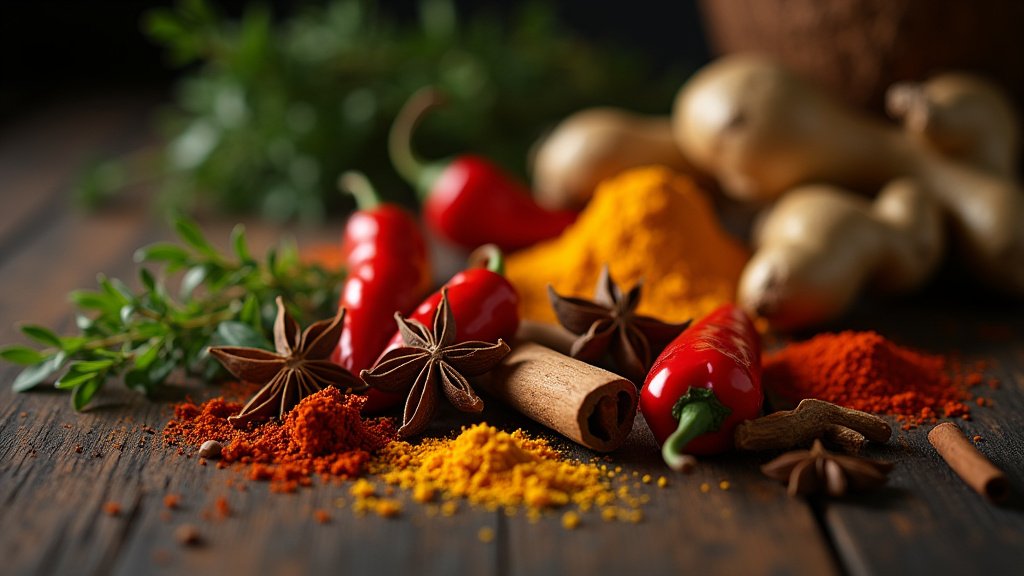
The soul of Caribbean cooking lies in its masterful use of spices and aromatics. Ingredients like Scotch bonnet peppers, allspice, thyme, ginger, garlic, and cinnamon are fundamental. These aren’t just used for heat; they create complex layers of flavor that are both bold and balanced. From the smoky heat of Jamaican jerk to the fragrant sweetness of a Trinidadian curry, the spice blends are as varied as the islands themselves. Understanding how to balance these elements is key to replicating authentic flavors. Don’t shy away from the heat; learn to work with it to create dishes that are exciting and memorable.
From Sea to Table: Freshness is Key
Given its island nature, seafood plays a starring role in many Caribbean cuisines. Freshly caught fish, shrimp, lobster, and conch are prepared in myriad ways – grilled, stewed, curried, or fried. Coconut milk is another ubiquitous ingredient, lending a creamy richness to stews and sauces, particularly in dishes like Jamaican Steamed Fish or Grenadian Callaloo. Beyond seafood, tropical fruits and vegetables are abundant. Plantains, yams, breadfruit, mangoes, and papayas are not only staples but also form the basis of many iconic dishes and desserts. The emphasis is always on using the freshest, locally sourced ingredients to let their natural flavors shine.
Island Staples and Sweet Endings
No exploration of Caribbean cuisine is complete without mentioning the staple side dishes. Rice and peas, often made with pigeon peas or kidney beans and infused with coconut milk and thyme, are a near-universal accompaniment. Other starches include ground provisions like yams, dasheen (taro), and cassava, often boiled or fried. And then there are the desserts and drinks. From the rich, decadent flavors of rum cake and Black Cake to the refreshing coolness of sorrel or mauby, Caribbean sweets and beverages are the perfect way to round off a flavorful meal. These sweet treats often incorporate local fruits and spices, offering a delightful conclusion to any dining experience.
FAQ: People Also Ask
What are the most popular Caribbean dishes?
Some of the most popular Caribbean dishes include Jamaican Jerk Chicken, Roti (especially in Trinidad and Tobago), Cuban Black Beans and Rice, Haitian Griot (fried pork), and Arroz con Pollo (Puerto Rican style).
What spices are essential for Caribbean cooking?
Essential spices include Scotch bonnet peppers, allspice berries, thyme, ginger, garlic, cumin, coriander, cinnamon, nutmeg, and cloves. The specific blend varies by island and dish.
Is Caribbean food very spicy?
While many Caribbean dishes feature the heat of Scotch bonnet peppers, not all are intensely spicy. The heat is often balanced with other flavors, and many recipes can be adjusted to individual spice preferences.
What is a common base for many Caribbean stews and curries?
Coconut milk is a very common base for many stews and curries across the Caribbean, providing a creamy texture and subtle sweetness that complements the spices beautifully.
Are there vegetarian options in Caribbean cuisine?
Yes, absolutely. Many dishes can be adapted for vegetarians, and there are also traditional vegetarian staples like callaloo (a leafy green dish), various lentil and bean preparations, and vegetable curries.