
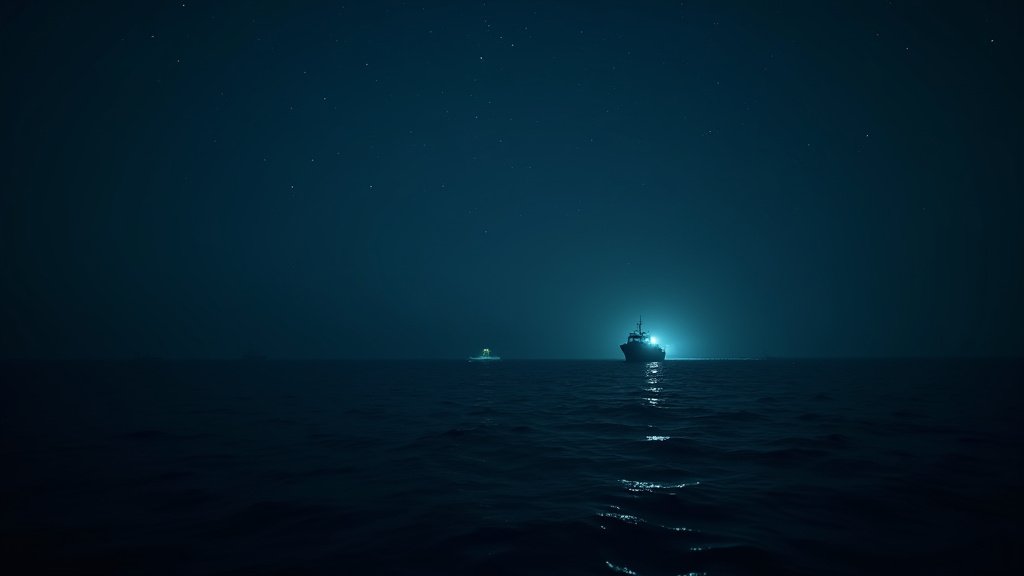
A U.S. military operation in the Caribbean Sea resulted in the deaths of four individuals aboard a suspected drug smuggling vessel, officials confirmed.
Key Highlights:
- U.S. forces conducted a strike in the Caribbean Sea.
- The target was an alleged drug smuggling boat.
- Four individuals on board were killed.
- The operation is part of ongoing interdiction efforts against illicit maritime activities.
Caribbean Interdiction Operations
U.S. Southern Command (SOUTHCOM) reported that the strike occurred during an interdiction operation aimed at disrupting the flow of illegal narcotics. The vessel was identified as actively engaged in illicit maritime trafficking when the U.S. forces intervened. While the exact nature of the interdiction and the specific weapons systems used have not been fully detailed, military spokespersons emphasized that the operation was conducted in accordance with established rules of engagement and international law. The incident highlights the persistent challenges faced by U.S. forces and partner nations in combating drug smuggling operations that utilize maritime routes through the Caribbean and Eastern Pacific. These routes are critical for trafficking cocaine and other illicit substances from South America to markets in North America and Europe.
The Escalating Fight Against Maritime Trafficking
The Caribbean has long been a strategic, yet volatile, region for international drug trafficking. Its vast network of islands and proximity to major consumer markets make it an attractive transit point for criminal organizations. U.S. naval and Coast Guard assets are frequently deployed to patrol these waters, working in conjunction with regional partners to intercept suspected smuggling vessels. These operations are complex, often involving high-speed chases, intelligence gathering, and the risk of confrontation. The success of these interdictions is measured not only by the amount of drugs seized but also by the disruption of the logistical chains used by cartels. The ultimate goal is to degrade the operational capacity and profitability of these organizations, thereby reducing the supply of drugs reaching international markets.
Interdiction Tactics and International Law
When engaging with suspected smuggling vessels, U.S. forces typically employ a range of tactics, from aerial surveillance and warnings to, in specific circumstances, disabling fire. The decision to use lethal force is a grave one, reserved for situations where there is an imminent threat to U.S. personnel or where authorized under specific operational parameters, such as in pursuit of vessels suspected of engaging in serious criminal activity like large-scale drug trafficking. International maritime law provides a framework for such interdictions, but the complexities of sovereignty, jurisdiction, and the rights of vessels at sea can create challenging legal and operational environments. SOUTHCOM’s statement indicated that the operation adhered to these protocols, suggesting that the suspected vessel posed a direct threat or was engaged in activities that warranted such a response.
The Human Cost and Intelligence Gathering
While the military emphasizes the disruption of criminal networks, such incidents also carry a significant human cost. The individuals aboard the vessel, identified by authorities as suspected smugglers, lost their lives. Investigations are underway to confirm their identities and ascertain the full circumstances surrounding the event. Intelligence gathering plays a crucial role in these operations, with agencies constantly working to track the movements of smuggling vessels and the organizations behind them. The information gathered from intercepted vessels, including any contraband or communication devices, can provide valuable insights into the broader drug trafficking landscape, helping to identify kingpins, disrupt supply chains, and prevent future illicit activities.
FAQ: People Also Ask
What are the primary routes for drug trafficking through the Caribbean?
Drug trafficking routes through the Caribbean are diverse and dynamic, often utilizing the region’s numerous islands as transit points. Key routes include the Windward Passage between Cuba and Haiti, the Mona Passage between Puerto Rico and the Dominican Republic, and various routes through the Lesser Antilles. Vessels often depart from South America, particularly Colombia, Ecuador, and Venezuela, heading towards Central America, Mexico, or directly into the Caribbean for distribution to North America and Europe.
How are suspected drug smuggling vessels identified and intercepted?
Identification and interception involve a combination of sophisticated surveillance technologies, including radar, aerial reconnaissance (aircraft and drones), and intelligence sharing with partner nations. Once a suspicious vessel is detected, maritime patrol aircraft and naval vessels are often dispatched to investigate. Interceptions can involve radio communication, visual warnings, and, if necessary, pursuit. Depending on the circumstances and rules of engagement, forces may use non-lethal measures to disable the vessel or, in cases of perceived threat, resort to disabling fire.
What happens to the drugs seized during interdiction operations?
Seized drugs are typically processed and destroyed under strict, documented procedures to ensure accountability and prevent diversion. The process usually involves law enforcement agencies from multiple countries, with seized narcotics being publicly destroyed or disposed of in secure facilities. The quantities are recorded, and often the destruction is witnessed by officials from various governmental bodies to maintain transparency.
What is U.S. Southern Command (SOUTHCOM)?
U.S. Southern Command (SOUTHCOM) is one of eleven unified combatant commands of the U.S. Department of Defense. It is responsible for military operations and security cooperation in the 45 countries and territories of Central and South America and the Caribbean. SOUTHCOM’s mission includes deterring aggression, responding to crises, and promoting regional security and stability, with a significant focus on combating transnational criminal organizations involved in drug trafficking, illegal arms sales, and human trafficking.
What are the legal frameworks governing maritime interdictions?
Maritime interdictions are governed by a complex web of international and domestic laws. Key international agreements include the United Nations Convention against Illicit Traffic in Narcotic Drugs and Psychotropic Substances of 1988, which provides a framework for international cooperation in drug interdiction. U.S. domestic law, such as the Maritime Drug Enforcement Act, authorizes U.S. law enforcement and military assets to conduct interdictions in international waters and, under certain circumstances, within the territorial seas of partner nations. Rules of engagement for military forces also dictate the conditions under which force may be used.