
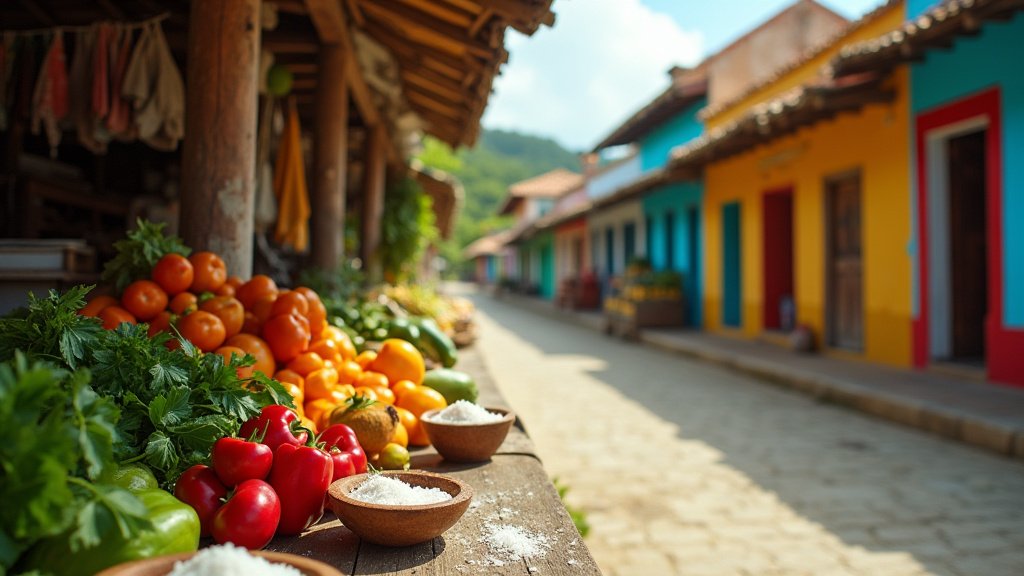
Excessive salt intake is a ticking time bomb across the Caribbean, with alarming rates of hypertension and heart disease directly linked to high sodium consumption.
Key Highlights:
- High salt consumption is a primary driver of hypertension and heart disease in the Caribbean.
- Processed foods and cultural dietary habits contribute significantly to excess sodium intake.
- Public health initiatives are struggling to combat the widespread issue.
- Urgent interventions are needed to shift dietary patterns and protect cardiovascular health.
The Salty Truth: How Sodium Overload is Devastating Caribbean Health
Across the vibrant islands of the Caribbean, a silent epidemic is unfolding, driven by a ubiquitous culinary ingredient: salt. Mounting evidence from public health bodies and medical professionals points to excessive sodium consumption as a leading factor in the escalating crisis of hypertension and heart disease that plagues the region. This isn’t merely a dietary preference; it’s a public health emergency with devastating consequences for millions.
The Pervasive Presence of Sodium
The average Caribbean diet, often rich in flavour and tradition, frequently includes a disproportionately high level of sodium. This comes from various sources, including the heavy use of salt in cooking, the consumption of processed and preserved foods, and the widespread availability of salty snacks and condiments. Many traditional dishes, while delicious, rely on salt for preservation and taste enhancement, a practice that has become deeply ingrained in the culinary landscape.
Hypertension: The Silent Killer
Hypertension, or high blood pressure, is a direct and well-established consequence of excessive salt intake. Sodium causes the body to retain water, which increases the volume of blood in the bloodstream. This, in turn, raises blood pressure, putting immense strain on the heart and blood vessels. In the Caribbean, hypertension rates are among the highest globally, serving as a major precursor to more severe cardiovascular events such as heart attacks and strokes. The World Health Organization (WHO) has repeatedly highlighted the urgent need for Caribbean nations to address dietary sodium reduction.
Beyond Hypertension: The Broader Impact on Heart Health
The damage doesn’t stop at hypertension. High sodium intake is also implicated in the development of other serious heart conditions. It can contribute to the thickening and stiffening of the heart muscle, a condition known as left ventricular hypertrophy, making it harder for the heart to pump blood efficiently. Furthermore, it exacerbates other risk factors for heart disease, including obesity and kidney problems, creating a vicious cycle of declining health. The long-term effects are a significant reduction in quality of life and premature mortality across the region.
Cultural Cuisines and Modern Diets: A Challenging Balance
Reconciling traditional culinary practices with modern health recommendations presents a significant challenge. While cultural heritage is vital, the health implications of certain traditional dietary patterns cannot be ignored. The increasing prevalence of processed foods, which are often laden with hidden sodium, further complicates the issue. These foods are convenient and affordable, making them popular choices, especially among lower-income populations.
The Role of Public Health Initiatives
Several Caribbean nations and regional organizations have launched public health campaigns aimed at raising awareness about the dangers of excessive salt intake and promoting healthier eating habits. These initiatives often involve public education, labelling regulations for processed foods, and efforts to encourage reformulation by the food industry. However, the progress has been slow, hampered by a lack of resources, deeply entrenched dietary habits, and the powerful influence of the food industry.
Economic and Social Ramifications
The burden of cardiovascular disease extends beyond individual suffering. It places an enormous strain on healthcare systems, diverting critical resources that could be used for other essential services. The loss of productivity due to illness and premature death also has significant economic repercussions for these island nations, impacting their development and prosperity. Addressing the salt crisis is therefore not just a health imperative but also an economic necessity.
The Path Forward: A Multi-pronged Approach
Combating this pervasive issue requires a comprehensive and sustained strategy. This includes:
- Policy Interventions: Implementing stricter regulations on sodium content in processed foods, potentially through taxation on high-sodium products or subsidies for healthier alternatives.
- Public Education: Intensifying public awareness campaigns to educate citizens about the risks of high salt intake and provide practical tips for reducing consumption.
- Industry Collaboration: Working with the food industry to encourage voluntary reduction of sodium in their products and to promote healthier formulations.
- Healthcare Professional Training: Equipping healthcare providers with the knowledge and tools to effectively counsel patients on sodium reduction and cardiovascular health.
- Promoting Traditional Healthy Practices: Rediscovering and promoting traditional, lower-sodium Caribbean dishes and cooking methods.
Ultimately, turning the tide on the Caribbean’s salt crisis will require a collective effort involving governments, health organizations, the food industry, communities, and individuals. The health and future of millions depend on it.
FAQ: People Also Ask
What are the main sources of high salt intake in the Caribbean?
The primary sources of high salt intake in the Caribbean include the heavy use of salt in cooking traditional dishes, the consumption of processed and preserved foods (like salted fish, cured meats, and canned goods), and the widespread availability of salty snacks, condiments, and fast food.
How does excessive salt intake lead to hypertension and heart disease?
Excessive salt causes the body to retain water, increasing blood volume. This increased volume raises blood pressure, straining the heart and blood vessels. Over time, this chronic high blood pressure (hypertension) can damage arteries, leading to heart attacks, strokes, and other cardiovascular problems.
Are there specific Caribbean dishes known for high salt content?
Yes, many traditional Caribbean dishes can be high in salt. Examples include saltfish (codfish), pickled meats and vegetables, certain stews and soups where salt is a primary seasoning, and dishes that rely heavily on processed seasonings and bouillon cubes. The method of preserving fish and meats by salting also contributes significantly.
What are the recommended daily salt intake limits?
The World Health Organization (WHO) recommends that adults consume less than 2,000 mg of sodium (equivalent to about 5 grams of salt, or one teaspoon) per day. However, many people in the Caribbean consume significantly more than this.
What steps can individuals take to reduce their salt intake?
Individuals can reduce their salt intake by cooking more meals at home using less salt, choosing fresh or frozen vegetables over canned ones, reading food labels to compare sodium content, opting for low-sodium or no-salt-added products, rinsing canned foods before use, and limiting the use of salty condiments and processed snacks.