
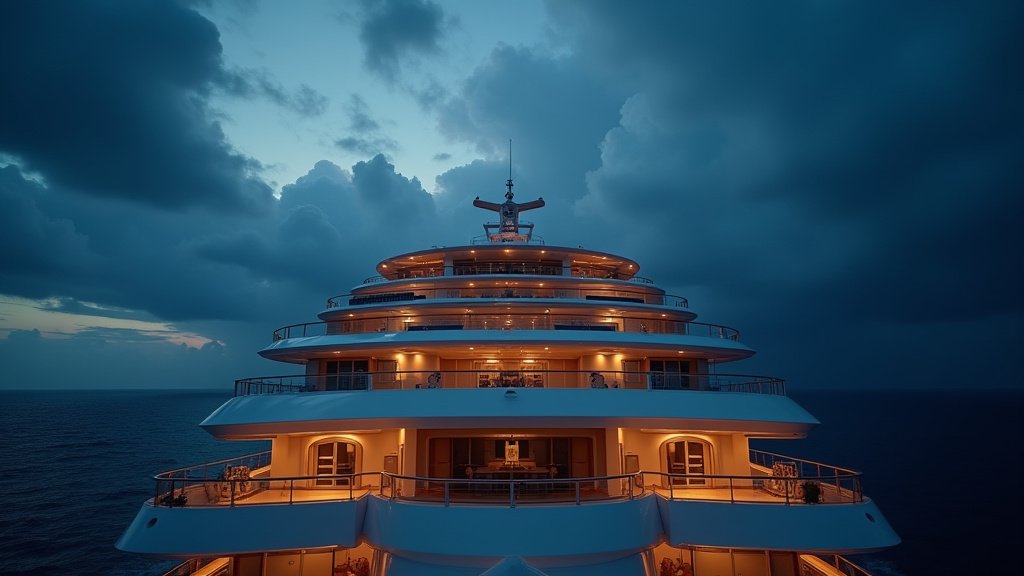
Royal Caribbean Cruises has reported a robust first quarter for 2026, exceeding analyst expectations despite navigating a complex geopolitical and environmental landscape.
Key Highlights:
- Strong revenue growth driven by high occupancy rates and increased onboard spending.
- Successful cost management strategies mitigated the impact of rising fuel prices and operational challenges.
- Positive booking trends for the remainder of 2026 indicate sustained consumer demand for cruise vacations.
- Expansion into new markets and the introduction of innovative onboard experiences contributed to the earnings beat.
Navigating the Currents of Uncertainty
Royal Caribbean Cruises (RCL) has demonstrated remarkable resilience in its Q1 2026 financial report, posting earnings that surpassed market forecasts. This achievement is particularly noteworthy given the backdrop of ongoing geopolitical tensions and escalating environmental concerns, which have presented significant challenges to the global travel industry. The company’s ability to not only withstand these pressures but to thrive speaks volumes about its strategic foresight and operational excellence. The report indicates a significant uptick in both passenger numbers and per-diem spending, suggesting that consumers remain eager for travel experiences, even in uncertain times. Occupancy rates across its fleet have remained exceptionally high, a testament to the enduring appeal of cruise holidays and Royal Caribbean’s strong brand loyalty.
Financial Performance and Revenue Streams
The financial results for the first quarter of 2026 paint a picture of robust health for Royal Caribbean. Net revenue saw a considerable increase year-over-year, driven by a combination of higher ticket prices and a substantial rise in ancillary revenues. Onboard spending, which includes everything from dining and beverages to shore excursions and retail purchases, has become an increasingly vital component of the company’s profitability. This segment has seen a notable surge, as passengers look to enhance their vacation experience. Despite increased operational costs, particularly those related to fuel and supply chain logistics, the company’s effective cost management initiatives have helped to protect its profit margins. These strategies have included optimizing itineraries, enhancing fuel efficiency, and leveraging technology to streamline operations across its vast fleet.
Geopolitical and Environmental Adaptations
The cruise industry, by its very nature, is sensitive to global events. Royal Caribbean has been proactive in adapting its operations to mitigate risks associated with geopolitical instability. This includes carefully planning routes to avoid volatile regions and maintaining strong relationships with local authorities in its ports of call. Furthermore, the company is making significant strides in its sustainability efforts. Investments in more fuel-efficient ships, waste reduction programs, and the exploration of alternative energy sources are not only addressing environmental concerns but are also becoming a point of differentiation for the brand. Customers are increasingly conscious of the environmental impact of their travel choices, and Royal Caribbean’s commitment to sustainability is resonating positively with this segment of the market. The company’s ESG (Environmental, Social, and Governance) performance is becoming an integral part of its corporate strategy and investor relations.
Future Outlook and Strategic Initiatives
Looking ahead, Royal Caribbean remains optimistic about its growth trajectory. The booking pipeline for the remainder of 2026 and into 2027 shows strong demand, with several key itineraries already well-sold. The company is continuing its fleet expansion and modernization program, with new ship deliveries planned to enhance capacity and offer cutting-edge amenities. Innovations in onboard entertainment, dining, and digital guest services are designed to further elevate the customer experience and drive repeat business. Strategic marketing campaigns targeting emerging markets and niche demographics are also underway to broaden the company’s customer base. Royal Caribbean’s focus on delivering exceptional value and memorable experiences positions it well to capitalize on the recovering and growing global travel market.
FAQ: People Also Ask
What were Royal Caribbean’s Q1 2026 earnings?
Royal Caribbean exceeded analyst expectations for its first quarter of 2026, reporting strong earnings driven by high demand and effective cost management, despite global challenges.
How is Royal Caribbean addressing geopolitical risks?
The company is proactively adjusting itineraries to avoid unstable regions and is working closely with port authorities to ensure safe operations.
What is Royal Caribbean doing for environmental sustainability?
Investments are being made in fuel-efficient vessels, waste reduction, and exploring alternative energy sources to minimize environmental impact.
What is the future outlook for Royal Caribbean?
The company has a positive outlook, with strong bookings for the remainder of 2026 and plans for fleet expansion and innovative guest experiences.
How has onboard spending contributed to revenue?
Onboard spending, including dining, retail, and excursions, has seen a substantial increase and is a significant contributor to Royal Caribbean’s profitability.