
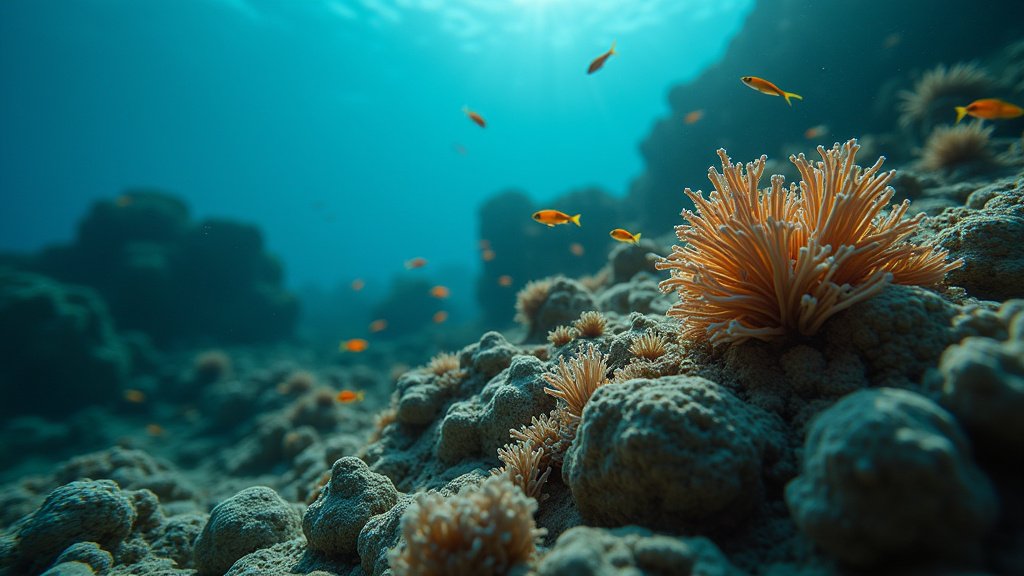
Cuban freedivers are pioneering innovative, low-cost methods to restore their struggling coral reefs, utilizing repurposed materials like leftover cables and clay to create artificial structures and foster marine life.
Key Highlights:
- Freedivers are at the forefront of coral reef restoration efforts in Cuba.
- Ingenious use of recycled materials such as old cables and clay for reef building.
- The initiative aims to combat reef degradation and promote biodiversity.
- These methods provide a cost-effective solution in the face of economic challenges.
Reef Revival: Ingenuity Under the Waves
Cuba’s underwater ecosystems, particularly its vibrant coral reefs, are facing unprecedented threats. Decades of environmental degradation, exacerbated by climate change and limited resources, have pushed these vital marine habitats to the brink. However, a wave of innovation is emerging from the depths, driven by a dedicated group of Cuban freedivers and marine enthusiasts. These individuals are bypassing traditional, often expensive, restoration techniques in favor of ingenious, do-it-yourself approaches that leverage readily available and repurposed materials.
The DIY Coral Gardeners
The core of this movement lies in the creativity of its participants. Instead of relying on large-scale, capital-intensive projects, the freedivers are transforming discarded items into thriving underwater nurseries. Leftover electrical cables, stripped of their harmful components, are being ingeniously woven and shaped into frameworks. These frameworks provide a stable base for coral fragments to attach and grow. Similarly, natural clay, abundant in certain coastal areas, is being molded into artificial reef structures. These clay formations are designed to mimic the complex topography of natural reefs, offering shelter and attachment points for a variety of marine organisms.
Facing the Blockade’s Ripple Effect
The economic realities of Cuba, including the long-standing U.S. blockade, significantly impact the nation’s ability to procure specialized equipment and funding for environmental conservation. This scarcity has, paradoxically, spurred a remarkable level of ingenuity. The DIY approach is not merely a choice but a necessity, demonstrating the resilience and resourcefulness of Cuban scientists and conservationists. These grassroots efforts highlight how local knowledge and readily available materials can be effectively deployed to address global environmental challenges, even under restrictive economic conditions.
A Biological Balancing Act
The success of these artificial reefs extends beyond mere structural creation. The new structures are attracting a diverse array of marine life, from small fish and invertebrates seeking refuge and food, to larger species that rely on healthy reef ecosystems. The goal is not just to build artificial structures, but to foster a self-sustaining environment that encourages the natural reproduction and growth of coral polyps and associated marine biodiversity. This includes carefully selecting coral fragments from healthy, resilient colonies to transplant onto the new structures, ensuring genetic diversity and robustness.
Looking Ahead: Scalability and Sustainability
While these initiatives are currently localized, the potential for scaling them up is a key consideration. Researchers and conservationists are studying the long-term effectiveness and ecological impact of these methods. The hope is that these low-cost, high-impact techniques can be replicated in other coastal communities facing similar challenges, both within Cuba and internationally. The environmental challenges are immense, but the spirit of innovation shown by these Cuban freedivers offers a hopeful glimpse into the future of marine conservation.
FAQ: People Also Ask
What are the main threats to Cuba’s coral reefs?
Cuba’s coral reefs face multiple threats, including climate change leading to ocean warming and acidification, pollution from coastal development and agriculture, overfishing, and physical damage from anchors and destructive fishing practices. The economic challenges stemming from the U.S. blockade also limit resources for effective conservation and restoration efforts.
How are leftover cables used in reef restoration?
Leftover electrical cables, after being safely processed to remove hazardous materials, are repurposed into structural frameworks. These cables can be woven, coiled, or shaped into lattices and bases onto which coral fragments are attached. Their flexibility and durability make them suitable for creating the complex structures that mimic natural reefs, providing attachment surfaces and shelter for marine life.
What is the role of clay in artificial reefs?
Natural clay is molded into various shapes and structures that mimic the complex topography of natural coral reefs. These clay structures provide stable substrates for coral larvae to settle and grow, and they offer essential habitat, hiding places, and feeding grounds for a wide range of fish and invertebrates.
Why is coral reef restoration important?
Coral reefs are vital marine ecosystems that support an estimated 25% of all marine life. They provide critical habitats, protect coastlines from storm surges, support local fisheries, and are significant sources of tourism revenue. Their restoration is crucial for maintaining marine biodiversity, ensuring food security, and protecting coastal communities.
Can these DIY methods truly replace natural reefs?
While these DIY methods are invaluable for providing new substrates and kickstarting recovery, they are not intended to entirely replace natural reefs. They serve as crucial tools for restoration and enhancement, helping to rebuild damaged areas and increase habitat availability. The ultimate goal is to create conditions that allow natural reef ecosystems to thrive and expand.