
The IICA-led ADOPT Caribbean Project is significantly enhancing agricultural resilience in St. Vincent and the Grenadines (SVG), empowering local farmers with advanced techniques and sustainable practices to combat climate change impacts.
Key Highlights:
- The project introduces innovative climate-smart agriculture technologies to SVG.
- Farmers are receiving training in resilient farming methods to improve crop yields and reduce losses.
- The initiative aims to strengthen food security and enhance the livelihoods of rural communities.
- Collaboration with local institutions and agricultural stakeholders is central to the project’s success.
- Focus areas include water management, soil health, and climate-resilient crop varieties.
Cultivating Resilience: ADOPT Caribbean’s Impact on SVG Agriculture
The IICA-led ADOPT Caribbean Project is making substantial strides in transforming agricultural practices within St. Vincent and the Grenadines. This crucial initiative is equipping farmers with the knowledge and tools necessary to adapt to the escalating challenges posed by climate change, such as unpredictable weather patterns, increased pest outbreaks, and soil degradation. By fostering a more resilient agricultural sector, the project directly contributes to enhancing food security and improving the economic well-being of the nation’s farming communities. The adoption of climate-smart agriculture (CSA) technologies is at the forefront of this transformation, moving away from traditional methods that are increasingly vulnerable to environmental shifts.
Embracing Climate-Smart Agriculture
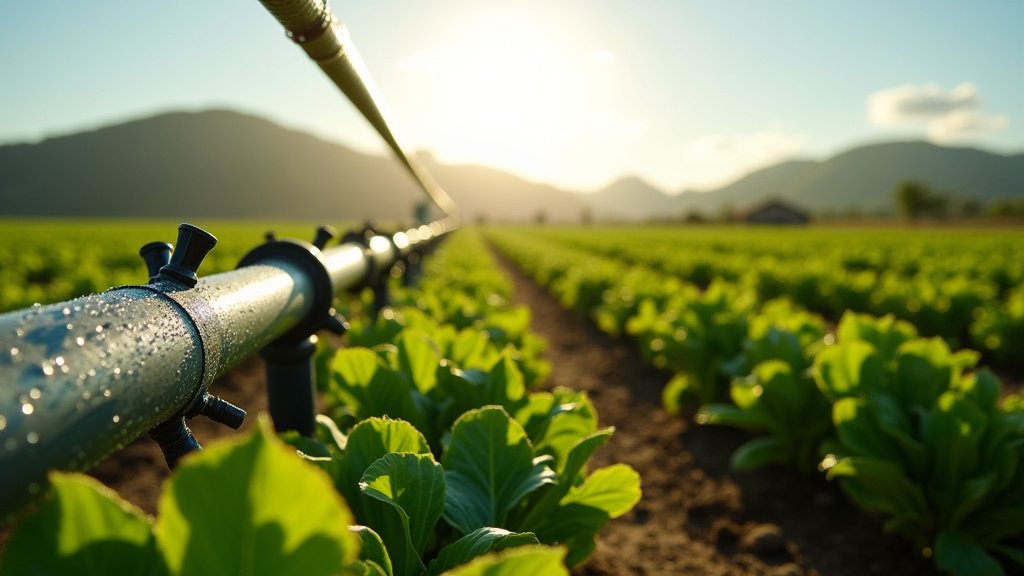
At the core of the ADOPT Caribbean Project’s strategy is the promotion and implementation of climate-smart agriculture. This involves a suite of practices designed to sustainably increase productivity and incomes, build adaptation and resilience to climate change, and reduce/remove greenhouse gas emissions where possible. In SVG, this translates to farmers learning about drought-resistant crop varieties, efficient irrigation systems that conserve water, and improved soil management techniques to enhance fertility and water retention. The project emphasizes a holistic approach, recognizing that a resilient agricultural system requires more than just new technologies; it demands a shift in mindset and comprehensive support for farmers.
Empowering Farmers Through Training and Technology
Direct farmer training and capacity building are critical components of the ADOPT Caribbean Project. Workshops and field demonstrations are being conducted across SVG, providing hands-on experience with new techniques and technologies. These sessions cover a range of topics, from the proper use of climate-resilient seeds to the implementation of integrated pest management strategies that minimize reliance on chemical pesticides. The project also facilitates access to relevant information and resources, ensuring that farmers are well-informed about weather forecasts, market trends, and best practices. This educational approach aims to foster self-sufficiency and enable farmers to make informed decisions that enhance their farm’s resilience and profitability.
The project’s engagement with local agricultural extension services and community groups is vital in disseminating knowledge effectively. By working through established networks, the ADOPT Caribbean Project ensures that its interventions are culturally appropriate and tailored to the specific needs of SVG’s diverse farming landscape. This collaborative model strengthens the local agricultural ecosystem and promotes the long-term sustainability of the project’s impact.
Addressing Food Security and Economic Viability
Beyond environmental resilience, the ADOPT Caribbean Project has a significant focus on bolstering food security and improving the economic viability of farming in SVG. By increasing crop yields and reducing losses due to climate-related events, farmers can achieve more stable incomes. This economic stability is crucial for retaining skilled agricultural labor and encouraging younger generations to pursue farming as a career. Enhanced local production also contributes to national food security, reducing reliance on imported food supplies which are often more expensive and vulnerable to global market fluctuations. The project’s success in SVG is a testament to the potential of well-supported agricultural development to drive both environmental sustainability and economic prosperity.
Entities and Collaboration
The Inter-American Institute for Cooperation on Agriculture (IICA) is the lead agency driving the ADOPT Caribbean Project, bringing its extensive expertise in agricultural development and cooperation across the Americas. The project benefits from strong partnerships with the Ministry of Agriculture, Fisheries, and Barbuda Affairs in St. Vincent and the Grenadines, as well as local farmer cooperatives and research institutions. These collaborations are essential for tailoring interventions to the specific agro-ecological and socio-economic context of SVG, ensuring the project’s relevance and impact.
FAQ: People Also Ask
What is the primary goal of the ADOPT Caribbean Project?
The primary goal of the ADOPT Caribbean Project is to advance resilient agriculture in participating Caribbean nations, including St. Vincent and the Grenadines, by promoting climate-smart practices and technologies to enhance food security and farmer livelihoods.
How does the project help farmers deal with climate change?
The project helps farmers by introducing them to drought-resistant crops, efficient water management techniques, improved soil health practices, and integrated pest management to cope with unpredictable weather and environmental shifts.
What role does IICA play in the project?
IICA, the Inter-American Institute for Cooperation on Agriculture, leads the ADOPT Caribbean Project, providing technical expertise, facilitating collaboration, and supporting the implementation of agricultural resilience strategies across the region.
Can you give an example of a climate-smart agriculture technique being used?
An example is the introduction of efficient drip irrigation systems that minimize water usage while ensuring crops receive adequate moisture, a crucial adaptation for regions facing water scarcity due to climate change.
What are the expected long-term benefits for St. Vincent and the Grenadines?
Long-term benefits include enhanced food security, more stable and increased farmer incomes, reduced reliance on food imports, and a more sustainable and environmentally sound agricultural sector capable of withstanding climate-related challenges.