
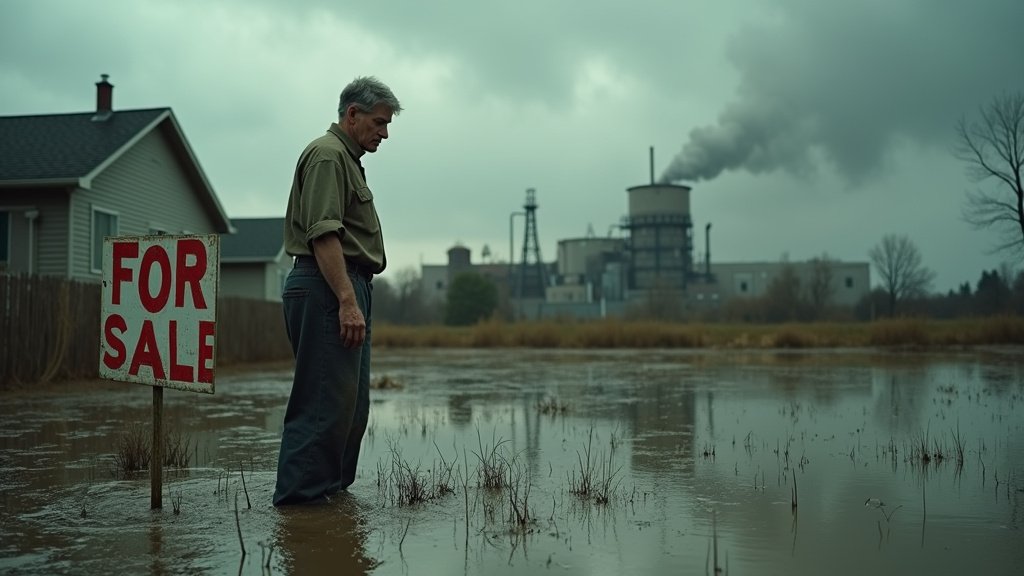
Across the nation, proposals for expanding wastewater infrastructure are igniting fierce debate, with residents increasingly questioning the necessity, cost, and potential impacts of these large-scale projects. From Michigan’s lakeside communities to the burgeoning outskirts of Texas cities, the drive to upgrade or extend sewer systems is colliding with deeply held values about environmental preservation, financial burdens, and the very essence of local lifestyles.
These developments, often framed as essential for public health and future growth, are revealing a complex web of community concerns. While officials point to aging pipes, growing populations, and regulatory mandates, residents are voicing a chorus of objections that extend far beyond mere technicalities. The news surrounding these projects highlights a fundamental tension: how to invest in crucial infrastructure without compromising the character and quality of life that draws people to their communities in the first place.
The Push for Progress: Why Expansion is Proposed
Modernization of wastewater systems is frequently driven by the need to accommodate population growth and replace deteriorating infrastructure. Many existing sewer lines, built decades ago, are reaching the end of their service life, leading to potential leaks, blockages, and reduced efficiency. In areas experiencing development, increased demand on treatment plants necessitates upgrades to handle larger volumes and meet stricter environmental discharge standards. For instance, in Tuscarora Township, Michigan, an ongoing residential sewer expansion is underway, partly funded by grants and loans, aiming to replace aging systems. Similarly, in Warden, South Africa, an upgrade is critical because the existing plant has exceeded its operational capacity due to population growth and increased industrial discharge, threatening regulatory compliance.
In Georgetown, Texas, a proposal for a new wastewater treatment facility tied to a large apartment complex has raised immediate alarm. Developers are seeking to build hundreds of units, which would require significant wastewater capacity, highlighting how new development often triggers the need for infrastructure expansion. This pattern is repeated in other areas where developers and municipalities collaborate to expand sewer capacity, as seen with a lift station project in an unspecified growing community. The City of Davis is also grappling with its wastewater treatment plant nearing capacity, which requires further study and potentially upgrades, even as new development projects are planned.
The Residents’ Resistance: A Multifaceted Opposition
Despite the official rationale, residents are raising significant objections, often feeling that their voices are not being adequately heard. One of the most immediate concerns is the financial strain these projects impose. Special assessments levied on homeowners can translate into substantial long-term financial commitments. In Oshtemo Township, Michigan, residents have voiced strong opposition to sewer expansion costs, highlighting that homeowners are being asked to bear a significant financial burden, sometimes with liens placed on properties, complicating sales. Tuscarora Township is also seeing interest accrue on outstanding special assessments, with residents facing significant annual payments.
Beyond the pocketbook, environmental and public health worries are paramount. Concerns range from the potential for groundwater contamination and the pollution of local rivers and lakes to more direct health risks. In Georgetown, Texas, residents worry about groundwater safety, the long-term environmental impacts, and the proximity of a proposed facility to an aquifer recharge zone, especially given the area’s susceptibility to flooding. Similarly, in Byron Township, Michigan, some residents have reported issues like foul odors and water quality problems during ongoing sewer projects, suspecting they are linked to the dewatering process used for pipe construction. The broader impact on rural environments, where many rely on wells and on-site septic systems, is a critical point of discussion. Unmanaged sewage can lead to widespread pollution, threatening drinking water sources and recreational areas, a problem exacerbated by climate change-induced heavy rainfall and flooding. In Lowndes County, Alabama, decades of neglect have left up to 80% of residents without reliable sewage systems, exposing them to raw sewage and associated health risks like hookworm.
Perhaps the most emotive opposition stems from the desire to preserve a particular way of life. For many who choose to live in rural or semi-urban settings, the appeal lies in a lifestyle connected to nature, quiet surroundings, and a sense of community distinct from bustling cities. They may enjoy activities like hiking, kayaking on local lakes, or simply the peace of their backyards, a stark contrast to the conveniences and potential disruptions of large-scale sewer systems. The introduction of new infrastructure, the increased density it can support, and the potential for increased traffic or industrial odors can feel like an unwelcome intrusion. This defense of local lifestyle is a recurring theme, as residents fear that expansions, especially those tied to new developments, will erode the rural character they cherish. While some may dream of tropical getaways on Caribbean beaches, others find their greatest contentment in the northern climes and the natural landscapes surrounding their homes, a lifestyle they feel is threatened by forced upgrades [Initial Context].
The Infrastructure Conundrum: Rural Challenges and Urban Demands
The issue is particularly acute in rural and semi-urban areas, which often lack the centralized sewer networks found in larger cities. These communities frequently rely on individual septic systems, which, while seemingly self-contained, can fail or pollute when not properly maintained or when overwhelmed by increased water usage or extreme weather. The cost of installing and maintaining modern, centralized wastewater treatment facilities can be prohibitive for smaller tax bases, leading to difficult choices for local governments.
Furthermore, the debate is often complicated by a lack of transparency or perceived inadequate public engagement. Residents in Georgetown reported only recently learning about the wastewater facility proposal tied to a large apartment complex. In Oshtemo Township, there’s a sentiment that the board is ignoring constituents’ wishes after previous votes against expansion. The process for approving these projects, especially with new laws allowing landowners to opt out of city jurisdictions, can also accelerate development decisions before the public is fully aware or able to participate effectively.
Balancing Development with Community Values
The challenges highlighted by these various news stories underscore the ongoing tension between the need for modern, reliable infrastructure and the desire of communities to maintain their unique character and protect their environment. As cities expand and populations shift, decisions about wastewater management become critical crossroads. Finding solutions that are both technically sound and socially equitable requires careful consideration of resident concerns, transparent communication, and innovative approaches to funding and implementation. Ultimately, the question of sewage expansion is not just about pipes and treatment plants; it is about the future shape of communities and the values they choose to prioritize. The ongoing news coverage of these debates signals that this is a critical conversation that will continue to unfold across the country, as residents seek to balance progress with the preservation of their cherished lifestyles.