
Dr. Neville Graham is pressing on with mobile clinics initiative, a project designed to bring essential primary healthcare directly to the doorsteps of communities often neglected by traditional infrastructure. As health disparities continue to widen in rural and urban pockets alike, the strategic deployment of these specialized vehicles represents a modern, agile solution to a deep-seated public health crisis. By eliminating the barrier of distance and reducing the high costs associated with traditional clinic visits, the mobile clinic model serves as a vital bridge in the continuum of care.
Scaling the Infrastructure of Care
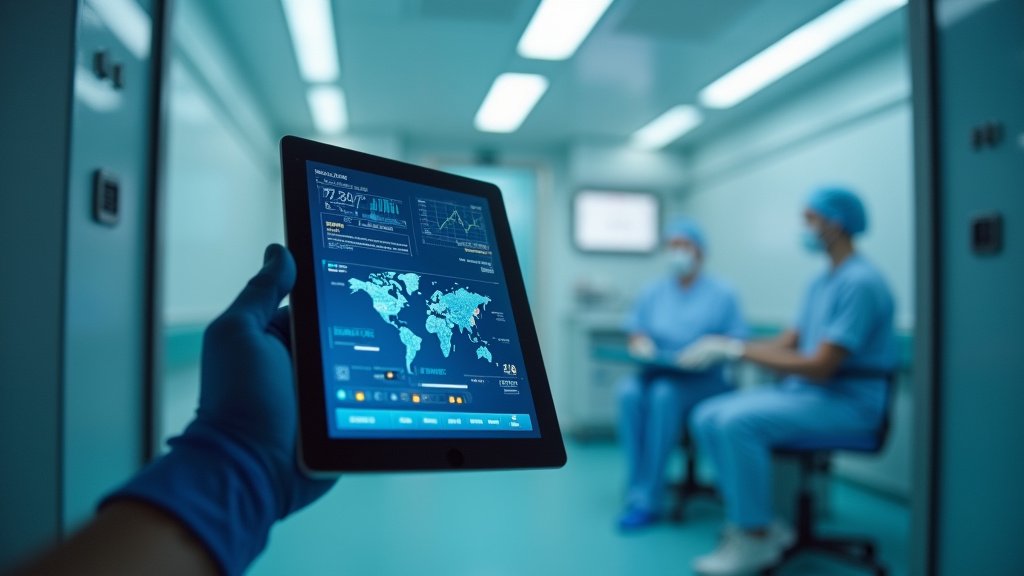
The expansion strategy spearheaded by Dr. Graham involves not just increasing the number of vehicles, but upgrading the diagnostic capabilities within each unit. These mobile facilities are now equipped with advanced telehealth hardware, allowing onsite nurses and clinicians to bridge patients with specialists in real-time. This integration ensures that the mobile clinics act not merely as triage centers, but as comprehensive diagnostic hubs capable of managing chronic illnesses such as hypertension, diabetes, and cardiovascular conditions on-site.
Dr. Graham’s philosophy centers on the idea that health outcomes are fundamentally tied to convenience and trust. When medical services arrive in a familiar neighborhood, patient compliance rates increase dramatically. The current phase of the initiative is targeting historically underserved sectors where mobility is limited and economic pressure discourages residents from seeking early intervention. By moving the point of care, the initiative has reported a significant uptick in preventative screenings, which are critical for long-term community health stability.
Overcoming Logistical and Financial Barriers
Operating mobile clinics is a complex logistical challenge that requires robust partnerships with local governments, community organizations, and private sector sponsors. Dr. Graham has been vocal about the need for sustainable funding models that move beyond temporary grants. His team is actively lobbying for public-private partnerships that integrate mobile clinics into the official state health grid. This integration would provide the financial security necessary for long-term deployment, ensuring that these communities are not left in the lurch once initial funding cycles expire.
Furthermore, the initiative is training local community health workers to operate the clinics. This investment in local human capital serves a dual purpose: it creates jobs within the community and ensures that the care provided is culturally competent and trusted by the residents. The transition from a centralized clinical model to this decentralized, community-focused approach marks a pivotal shift in how we think about regional health planning.
Data-Driven Health Equity
At the heart of the initiative’s success is an emphasis on data-driven decision making. Each visit is mapped and analyzed to identify recurring health trends in specific geographic clusters. This granular approach allows Dr. Graham and his team to deploy resources where they are needed most, preemptively addressing potential outbreaks or spikes in chronic disease indicators. The agility of the mobile fleet means that the program can react to emerging health needs within a matter of days rather than months. As the program continues to grow, it serves as a blueprint for how policymakers might address the wider issues of inequity in the national healthcare system, proving that with the right logistical support, high-quality medicine can reach every citizen.