
Jamaica, Queens—a neighborhood vibrant with the spirit of the Caribbean—stands as a testament to the enduring legacy of immigrants who have woven their rich heritage into the fabric of New York City. While sharing a name with its island namesake, this bustling New York enclave boasts a distinct history, yet it has become a vital home for those seeking to preserve and celebrate their Jamaican roots.
A Shared Name, Divergent Origins
The linguistic link between Jamaica, Queens, and the island of Jamaica is purely coincidental, stemming from entirely different etymological paths. The New York neighborhood’s name originates from the Lenape Native American word “Yamecah,” meaning “place of the beaver pelt,” a nod to the area’s historical ecosystem and the fur trade. In contrast, the Caribbean island’s name, “Xaymaca,” comes from the Taíno people, translating to “land of wood and water”. Despite these disparate beginnings, the shared name has fostered a unique cultural overlap, drawing in a significant diaspora.
The Migration and the Making of a Community
Waves of immigrants from Jamaica began settling in New York City in large numbers, particularly after the Immigration and Nationality Act of 1965 lifted exclusionary quotas. Jamaica, Queens, emerged as a favored destination, offering a sense of familiarity and a burgeoning Caribbean presence. Over time, these immigrants have cultivated a tight-knit community, creating an environment where aspects of their homeland can be experienced daily, from the familiar sounds of reggae music to the comforting aromas of island cuisine. The demographics of Jamaica, Queens, reflect this rich diversity, with a significant population of Black or African American residents (around 45.6% to 55.9%), alongside substantial Asian (around 18.6% to 27.4%) and Hispanic (around 21.7% to 38.7%) communities. This blend has created one of New York City’s most diverse neighborhoods, with a strong undercurrent of Caribbean culture.
Cultural Cornerstones: Businesses and Voices
Several individuals and businesses serve as anchors for the Jamaican heritage in Jamaica, Queens. Veniece Bolton and her mother, Tamika Edwards, who emigrated from Jamaica, now run Diamond Laundromat. They consistently encounter fellow Jamaicans, reinforcing their connection to their roots daily within their local community.
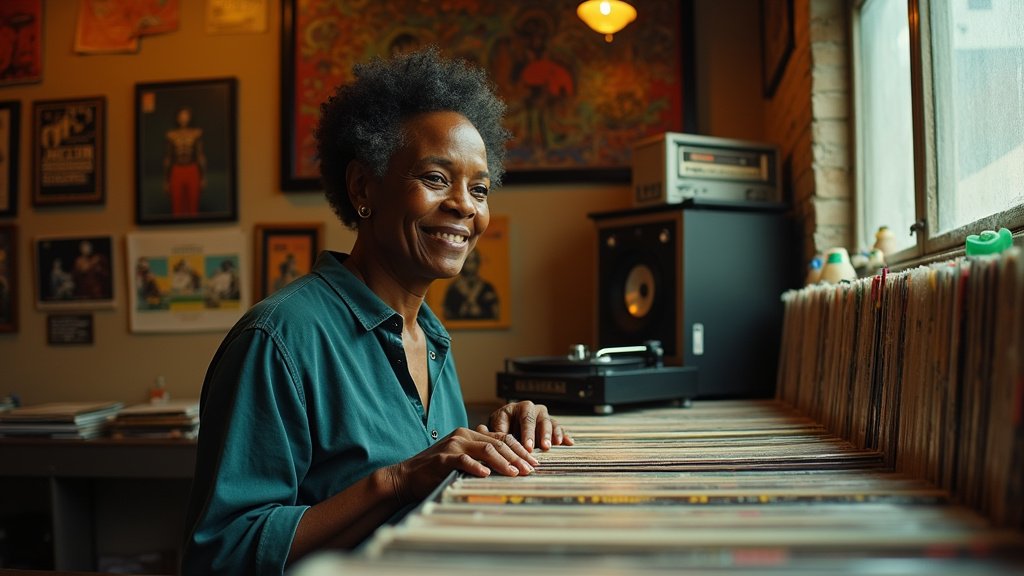
Patricia “Miss Pat” Chin, a legendary figure in reggae music, is central to this cultural narrative. She and her late husband, Vincent “Randy” Chin, founded VP Records in 1975. Fleeing political unrest on the island, they settled in Jamaica, Queens, finding it reminiscent of their homeland. VP Records, named after the founders’ initials, grew from a record store into the world’s largest independent reggae and Caribbean music label, instrumental in popularizing reggae, dancehall, and soca music globally, bringing artists like Sean Paul and Beenie Man to international fame.
Restaurant owners like Garfield Clarke, who established Genesis Restaurant in 1997, and Roy Walters, also express immense pride and investment in the community. Their establishments contribute significantly to the neighborhood’s culinary landscape, offering authentic Jamaican flavors that draw people from across the city.
“Jamaica | Jamaica” Exhibit: A Museum’s Tribute
The King Manor Museum has dedicated its “Jamaica | Jamaica” exhibit to exploring the rich history and lasting impact of Caribbean immigrants, particularly those from Jamaica, on the neighborhood. The exhibit highlights the diverse heritage mirrored in Southeast Queens’ vibrant culture, inspired by Jamaica’s national motto, “Out of Many, One People”. It showcases artifacts and stories from community trailblazers, illustrating how their culture has influenced the very streetscapes, sounds, and flavors of Jamaica, Queens. The exhibit underscores the role of these immigrants in shaping the neighborhood’s identity and preserving their ancestral stories.
The Enduring Cultural Tapestry
Beyond the specific businesses and exhibits, the collective presence of Jamaican immigrants has profoundly shaped the cultural identity of Jamaica, Queens. The neighborhood’s streets continue to echo with the rhythms of reggae and dancehall music, and the air is often filled with the tantalizing scent of jerk chicken and other Caribbean delicacies. This vibrant atmosphere has made Jamaica, Queens, a destination for experiencing authentic Caribbean culture outside of the islands themselves. The community’s influence extends to civic life, with several leaders of Jamaican heritage holding prominent positions in New York politics, advocating for their constituents and celebrating their roots.
Community Pride and Investment
For many Jamaican immigrants, Jamaica, Queens, is more than just a place of residence; it is a community where they invest their energy, culture, and dreams. They are not merely here to work and send money home, but to build and contribute to a place that has become their own. This sense of belonging and shared purpose is a driving force behind the preservation of their heritage and the continued evolution of Jamaica, Queens, as a dynamic cultural hub.
The stories of Veniece Bolton, Patricia Chin, and countless others are woven into the vibrant tapestry of Jamaica, Queens. They demonstrate how immigrants from Jamaica have not only found a new home but have also transformed their adopted neighborhood into a living museum of their rich and resilient culture.