
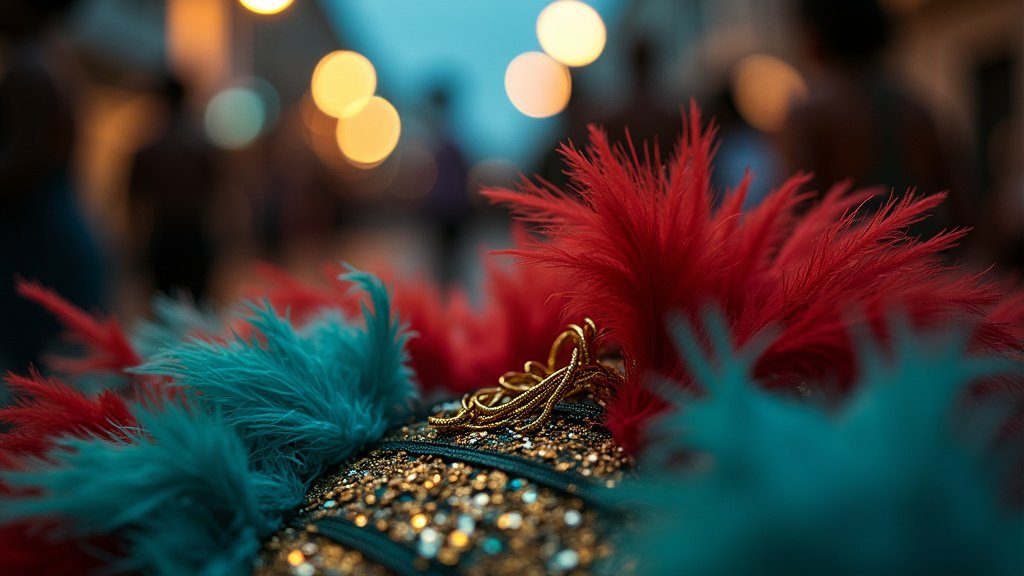
As the vibrant, syncopated rhythms of soca music echo through the streets of Kingston, Bacchanal Jamaica has officially kicked off its highly anticipated week-long cultural spectacle, marking the zenith of the island’s Carnival season. This annual celebration serves as a powerful testament to Caribbean heritage, drawing thousands of international revelers and local masqueraders to the capital for a convergence of music, art, and high-energy costume displays. The event, which acts as the heartbeat of the city’s spring calendar, transforms Kingston into a theater of movement, color, and community, reinforcing its status as a premier destination for cultural tourism in the Caribbean.
Key Highlights
- The week-long festival features a series of events culminating in the grand Road March parade, uniting thousands of masqueraders.
- Bacchanal Jamaica serves as a critical economic engine for local tourism, hospitality, and the creative “Mas” industry.
- This year’s edition emphasizes “Unity through Rhythm,” highlighting the cultural intersection of global soca music and the distinct Jamaican dancehall influence.
- Enhanced logistics and security infrastructure have been deployed across Kingston to manage the influx of visitors and ensure a seamless experience for participants.
The Rhythmic Resurgence: A Deep Dive into Kingston’s Cultural Anchor
The initiation of Bacchanal Jamaica is more than a party; it is a meticulously orchestrated cultural phenomenon that reflects the evolution of Jamaican identity. While Carnival is historically rooted in the traditions of the Southern Caribbean, particularly Trinidad and Tobago, Jamaica has successfully carved out its own unique niche by blending traditional soca elements with the aggressive, driving basslines of local dancehall. This synthesis creates an atmosphere that is distinctively “Jamaican,” distinguishing it from other regional festivals.
The Mechanics of the ‘Mas’
Central to the allure of Bacchanal Jamaica is the concept of ‘Mas’ (short for masquerade). This is where the artistry of the festival truly shines. Months of planning go into the production of costumes—intricate ensembles of feathers, beads, and architectural wireframe designs. These are not merely garments; they are wearable art. Designers and artisans in Kingston have spent the last year refining these pieces to reflect themes that range from historical African diaspora symbolism to futuristic, avant-garde aesthetics. For the local creative economy, this represents a massive surge in demand. Seamstresses, wire-benders, graphic designers, and logistics coordinators work in a compressed timeline that rivals the manufacturing demands of global fashion weeks.
The Economic Engine: Beyond the Revelry
The economic impact of Bacchanal Jamaica is quantifiable and profound. For the city of Kingston, the week-long spectacle acts as a powerful stimulant for the hospitality and service sectors. Occupancy rates in luxury hotels and boutique guesthouses hit near-capacity levels, while the restaurant and nightlife industries see a concentrated spike in revenue that offsets slower periods earlier in the calendar year.
However, the economics go deeper than just tourism dollars. The festival functions as a platform for small business incubation. Street vendors, local event planners, security firms, and transportation services all mobilize to accommodate the influx. There is a micro-economy within the festival itself—the sale of branded merchandise, the rental of premium lounge spaces, and the booking of private logistics services—which keeps capital circulating within the local community. Analysts note that as global awareness of Bacchanal Jamaica grows, the festival is increasingly competing with established events in Miami, Toronto, and Port of Spain, necessitating a higher level of professionalized management.
Infrastructure and the Urban Experience
Hosting a week-long festival of this magnitude in a bustling capital city like Kingston requires a delicate balance between public enjoyment and urban functionality. The organizing committee, in collaboration with municipal authorities, has implemented comprehensive traffic management plans to minimize the disruption of daily commerce. This includes designated “Carnival Zones” that allow for mass movement without paralyzing the city’s critical financial and government districts.
Security remains a top priority. In recent years, Bacchanal Jamaica has adopted a sophisticated model of multi-layered security, incorporating private, highly trained marshals alongside public law enforcement. This ensures that the “party environment” remains safe, family-friendly, and orderly, which is essential for attracting the international corporate sponsors and affluent diaspora tourists who are critical to the event’s long-term financial sustainability.
The Intersection of Tradition and Modernity
Critics often discuss the “commodification of culture” when it comes to massive festivals, but for the attendees of Bacchanal Jamaica, the event provides a necessary release and a celebration of resilience. The music, which features world-class soca artists and local dancehall stars, creates an environment where boundaries disappear.
This year’s theme highlights a conscious effort to bridge the gap between traditional Caribbean rhythms and contemporary music trends. By inviting both veteran performers and emerging digital creators to the stage, the festival is curating an audience that spans generations. The “Unity through Rhythm” mantra is not just a marketing slogan; it is an acknowledgment that the preservation of Jamaican culture requires constant evolution. The integration of high-production value live streams and social media influencer partnerships has allowed the event to reach millions of viewers who are not physically present, thereby extending the festival’s “virtual footprint” well beyond the streets of Kingston.
FAQ: People Also Ask
Q: How does Bacchanal Jamaica differ from other Caribbean Carnivals?
A: While it shares the core “Mas” traditions of the Caribbean, Bacchanal Jamaica is unique in its incorporation of Jamaican dancehall culture, creating a specific sonic and aesthetic blend that is distinct from the more traditional Trinidadian style.
Q: What is the economic impact of the festival on Kingston?
A: The festival drives significant revenue into the hospitality, transport, and creative sectors, filling hotels and providing a major platform for local designers, vendors, and security services.
Q: Is Bacchanal Jamaica open to international tourists?
A: Yes, the festival is a major international draw, with thousands of visitors traveling to Kingston specifically for the events. The organizers offer various packages that include event access, costumes, and hospitality services for international guests.
Q: How are the costumes for the Road March produced?
A: Costumes are designed by specialized “Mas Camps” months in advance. These camps employ local artisans to construct the intricate pieces, utilizing a mix of traditional and modern materials, which supports the local creative economy.