
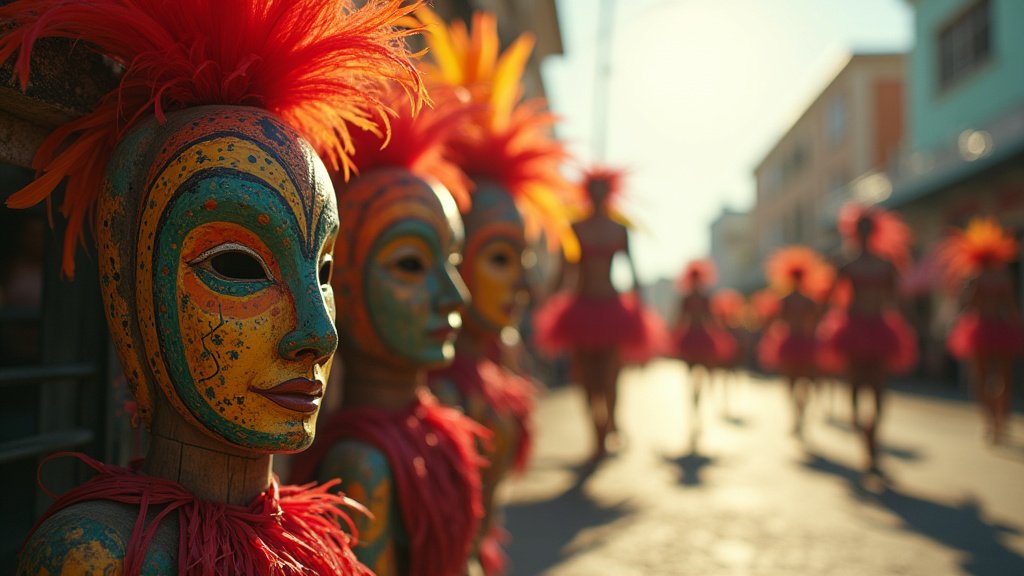
The streets of Little Haiti surged with color, sound, and the infectious rhythms of the islands this weekend as the Taste of Miami Karnival returned, transforming Northeast 2nd Avenue into a living, breathing exhibition of Caribbean heritage. From the early hours of Sunday, April 12, the historic neighborhood became the focal point for a massive gathering that showcased the diversity of the Caribbean diaspora in Miami. Hosted by local personality Supa Cindy, the event functioned as more than just a street festival; it was a testament to the cultural resilience and creative output of Miami’s Caribbean-American community. Thousands attended the celebration, which featured traditional mas bands, elaborate masquerade costumes, and a sonic landscape defined by the sounds of kompa, reggae, soca, and Afrobeats.
Key Highlights
- Main Event Date: The festival took place on Sunday, April 12, 2026, centering the celebrations within the heart of the Little Haiti district.
- Cultural Scope: The parade featured authentic masquerade floats and performers, celebrating the distinct traditions of various Caribbean nations.
- Community Impact: The event served as a major platform for local food vendors, artists, and entrepreneurs, boosting neighborhood visibility.
- Key Figures: Longtime media personality and host Supa Cindy presided over the festivities, emphasizing the theme of Caribbean unity.
- Logistics: The event necessitated the closure of Northeast 2nd Avenue from Northeast 54th Street to Northeast 62nd Street to accommodate the procession and main stage programming.
A Vibrant Tapestry of Caribbean Pride
The atmosphere in Little Haiti during the Taste of Miami Karnival was described by attendees as “electric” and “unifying.” As the parade wound its way through the neighborhood, it became clear that the event serves as a critical bridge between generations of Caribbean immigrants and their descendants. The visual spectacle—a kaleidoscope of sequins, feathers, and vibrant textiles—recalled the traditional carnivals of Trinidad, Barbados, Haiti, and Jamaica, yet the event maintained a distinctly Miami flair.
The Sonic Landscape
The soundtrack of the day was meticulously curated, reflecting the interconnected nature of Caribbean music. Sound systems pumped bass-heavy tracks that spanned the history of the region. The inclusion of kompa—the Haitian dance music genre—alongside contemporary soca and Afrobeats highlighted the stylistic fluidity of the festival. This musical fusion allowed for a communal experience that transcended national barriers, proving that while each island has its unique rhythm, the underlying beat of the diaspora is shared.
Culinary Traditions on Display
Beyond the visuals and audio, the festival was a sensory journey through the Caribbean’s diverse culinary landscape. Street vendors lined the parade route, offering authentic dishes that drew long queues. From pikliz-topped griot to jerk chicken that signaled its presence blocks away, the food served as a form of cultural diplomacy, inviting attendees from across Miami to taste the history and hospitality of Little Haiti. These culinary pop-ups provided essential revenue for local businesses, underscoring the festival’s role as a vital economic engine for the community.
The Socio-Economic Engine of Cultural Festivals
While the primary draw of the Taste of Miami Karnival is celebration, its underlying impact on Little Haiti is structural and significant. Festivals of this magnitude act as a catalyst for urban visibility and economic stimulus. By drawing thousands of visitors into the neighborhood, the Karnival drives foot traffic to local businesses that might otherwise remain on the periphery of Miami’s tourism economy.
Preservation of Cultural Geography
Little Haiti is a neighborhood that has faced rapid demographic and structural shifts. Events like this are essential for maintaining the cultural identity of the area. By reclaiming the streets for a massive, organized, and culturally significant parade, the community reasserts its right to space. This is not just a party; it is a assertion of identity in a changing urban landscape. The event effectively educates younger generations, and outsiders, about the specific history and ongoing contributions of the Haitian and wider Caribbean communities to the fabric of Miami.
Community Unity and Future Outlook
Host Supa Cindy’s recurring message throughout the weekend—that this event is a unifying force for all “Zoes” and Caribbean descendants alike—resonated deeply with attendees. In an era where digital connection often supersedes physical community, the visceral experience of a street parade offers a vital antidote. The successful execution of the 2026 event sets a high bar for future iterations, with organizers looking to expand the scope of the arts and culinary components to further bolster the neighborhood’s reputation as a top-tier cultural destination.
FAQ: People Also Ask
Q: What is the primary purpose of the Taste of Miami Karnival?
A: The event is designed to celebrate Caribbean culture, foster community unity, and highlight the diverse traditions, music, and food of the Caribbean diaspora residing in Miami. It acts as both a cultural festival and an economic driver for the Little Haiti neighborhood.
Q: Who headlined or hosted the event?
A: Longtime media personality Supa Cindy served as the host, guiding the festivities and speaking to the importance of Caribbean unity within the Little Haiti community.
Q: Where exactly does the parade take place?
A: The festivities are concentrated in Miami’s Little Haiti neighborhood, specifically involving the closure of Northeast 2nd Avenue, typically spanning from Northeast 54th Street to Northeast 62nd Street to accommodate the crowds and the main stage.
Q: Is the event free to attend?
A: Yes, the Taste of Miami Karnival is a public, open-street festival that prioritizes community access, allowing the public to enjoy the parade and vendor areas without an entry fee.