
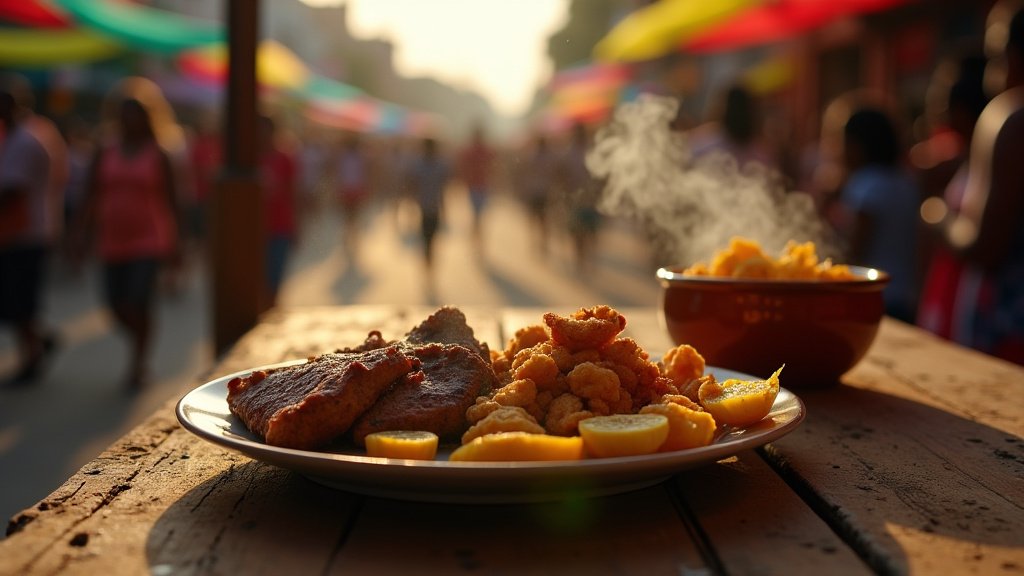
The streets of Little Haiti transformed into a pulsating epicenter of Caribbean pride this past Sunday, April 12, 2026, as the annual ‘Taste of Miami Karnival’ brought thousands together for a kaleidoscopic display of music, dance, and culinary heritage. From the early morning hours, when the scent of spiced jerk chicken and frying plantains began to permeate the air, to the late-night climax of the main stage performances, the festival underscored the vital role of the neighborhood as a cultural anchor for the Caribbean diaspora in South Florida.
Key Highlights
- Cultural Convergence: The event featured a parade spanning NE 2nd Avenue (from NE 54th to NE 62nd Street), showcasing a rich blend of kompa, soca, reggae, and Afrobeats.
- Community Leadership: Longtime local radio personality and host Supa Cindy spearheaded the festivities, emphasizing the critical importance of unity among the Caribbean nations represented in Miami.
- Street Festival Impact: The complete closure of a major thoroughfare allowed for an immersive experience, effectively turning the neighborhood into a pedestrian-first celebration of heritage.
- Economic & Cultural Engine: Beyond the entertainment, the festival served as a significant platform for local Caribbean-owned businesses, chefs, and artists, reinforcing Little Haiti’s status as a hub for cultural preservation.
The Pulse of the Diaspora: A Cultural Awakening
The Taste of Miami Karnival is not merely an event; it is a manifestation of memory and continuity. For the thousands who lined the parade route, the rhythmic thrum of the bass and the intricate footwork of the masqueraders served as a tangible link to the islands many call home. As the parade moved steadily down Northeast Second Avenue, the visual narrative of the Caribbean—expressed through flag-waving, traditional costume, and the vibrant colors of the islands—was on full display.
The Soundtrack of Unity
Music acts as the heartbeat of this cultural celebration. This year, the festival organizers prioritized a diverse lineup that honored the evolution of Caribbean sounds. While the traditional beat of Haitian Kompa served as the foundational rhythm for many in the crowd, the integration of Soca’s high-energy cadence and the steady, grounding pulse of Reggae created an inclusive atmosphere. The music did not just entertain; it educated, bridging the gap between generations. Older attendees found joy in the familiar chords of heritage, while younger participants embraced the modern Afrobeats influence that is currently reshaping the Caribbean pop landscape.
Culinary Heritage as Art
Food in the Caribbean tradition is synonymous with community, and the Taste of Miami Karnival was a testament to this truth. The festival grounds, centered near the Little Haiti Cultural Complex, featured vendors serving up a masterclass in regional specialties. From the savory, slow-cooked profiles of Haitian griot to the spicy, aromatic depth of Jamaican jerk and the diverse fusion plates emerging from the smaller island nations, the food served as a bridge between the street festival and the local businesses of the neighborhood. This culinary showcase is essential for Little Haiti, as it drives economic traffic toward local establishments that might otherwise be overlooked in the city’s rapidly shifting real estate landscape.
The Strategic Importance of Little Haiti
Choosing Little Haiti as the host for this parade is a deliberate act of cultural preservation. As Miami continues to grapple with rapid urban renewal and the pressure of rising property values, the preservation of the neighborhood’s identity becomes a focal point for residents and activists alike. The Taste of Miami Karnival provides a counter-narrative to the idea that the neighborhood is merely a site for future development; instead, it reinforces the area’s identity as a ‘home base’ for the diaspora.
Gentrification and Cultural Resistance
It is impossible to discuss the festival without acknowledging the changing face of the surrounding area. The festival acts as a form of cultural resistance, asserting that the space belongs to the community that built it. By reclaiming the streets for a massive, day-long celebration, the participants are effectively marking the territory as a sacred space for Caribbean culture. This visibility is key to ensuring that as the city changes, the cultural soul of the neighborhood remains intact. The festival organizers work closely with local trusts and community leaders to ensure that the event is not just a transient party, but a sustainable pillar for the local economy.
The ‘Karnival’ Evolution
Traditionally, ‘Carnival’ in the Caribbean context is a season—a period leading up to Lent characterized by excess, catharsis, and celebration. In the Miami context, the concept has evolved. It has become a year-round mindset, with events like this ‘Taste’ serving as critical touchpoints. The evolution reflects the adaptability of the diaspora. These events are no longer just copies of ‘home’; they are creations of a ‘new home’—a hybrid space where different Caribbean nationalities—Haitians, Jamaicans, Trinidadians, Bajans, and more—can coalesce under a singular banner of Caribbean identity.
FAQ: People Also Ask
Q: What is the main objective of the Taste of Miami Karnival?
A: The primary objective is to celebrate and preserve Caribbean culture, music, and food, while fostering a sense of unity among the diverse Caribbean diaspora populations living in Miami. It serves as both a cultural festival and a platform for economic support for local neighborhood businesses.
Q: Who were the key figures involved in this year’s event?
A: The event was hosted by prominent local personality Supa Cindy, who has been a vocal advocate for Caribbean community unity in Miami. The festival also featured numerous local chefs, artists, and musicians who are deeply embedded in the Little Haiti community.
Q: How does the parade affect traffic and local business?
A: The parade necessitates the closure of Northeast 2nd Avenue from NE 54th to NE 62nd Street, which significantly alters traffic patterns for the day. However, this is balanced by the influx of visitors who patronize local restaurants, stalls, and businesses, providing a substantial economic boost to the area.
Q: Is the Taste of Miami Karnival related to other cultural events in the area?
A: Yes, the event serves as a lead-up to larger cultural celebrations, including the broader Miami Carnival festivities later in the year, and complements the monthly programming at the Little Haiti Cultural Complex, such as the ‘Sounds of Little Haiti’ concert series.