
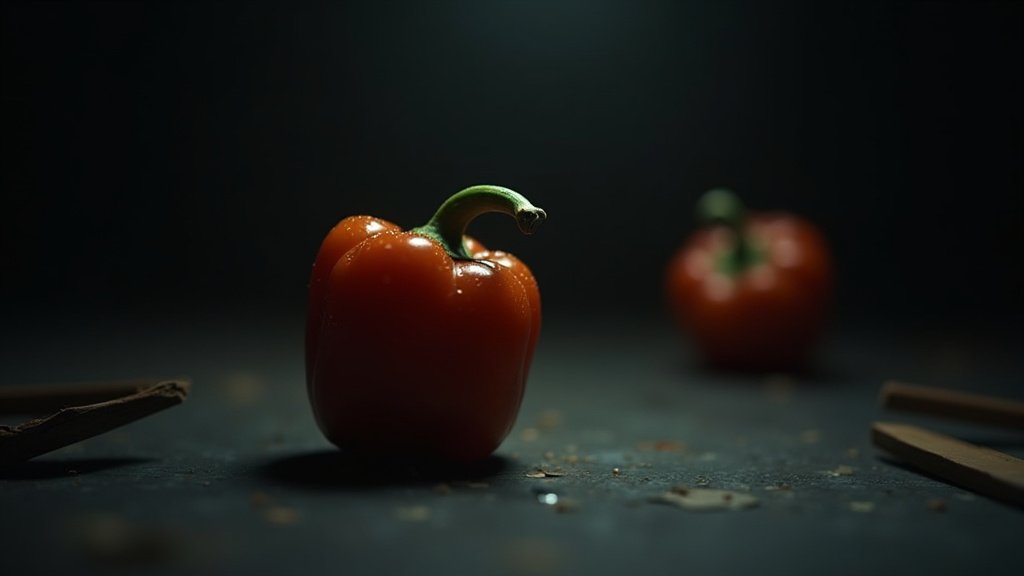
Caribbean hot sauce makers are facing an unprecedented challenge as a severe shortage of Scotch Bonnet peppers grips the region. This scarcity threatens production lines and impacts the availability of the beloved spicy condiment, forcing businesses to explore alternative ingredients and adapt their recipes.
Key Highlights:
- A critical shortage of Scotch Bonnet peppers is severely impacting Caribbean hot sauce manufacturers.
- The scarcity is attributed to a combination of adverse weather conditions and potential disease outbreaks affecting pepper crops.
- Producers are struggling to maintain consistent supply and are considering using substitute peppers or altering flavor profiles.
- The economic implications for small businesses and the broader culinary tourism sector are significant.
The Pepper Predicament: Impact on Caribbean Hot Sauce Production
The iconic Scotch Bonnet pepper, a staple ingredient in Caribbean cuisine and the foundation of countless hot sauces, is in dangerously short supply. This crisis is not merely an inconvenience; it’s an existential threat to many small and medium-sized enterprises (SMEs) that form the backbone of the region’s culinary heritage. The delicate balance of flavor that defines authentic Caribbean hot sauce relies heavily on the unique heat, sweetness, and fruity notes of the Scotch Bonnet. Without it, producers are in a race against time to find viable solutions that don’t compromise the integrity of their products.
Causes of the Scarcity
The current shortage is a complex issue, stemming from a confluence of factors. Unpredictable weather patterns, including prolonged droughts in some areas and excessive rainfall in others, have severely hampered crop yields. Compounding these climatic challenges are reports of potential outbreaks of diseases that affect pepper plants, further reducing the available harvest. Farmers are working diligently to mitigate these issues, but the impact on the supply chain is undeniable, leading to significantly reduced availability and soaring prices for the peppers that are harvested.
Adaptation and Innovation in the Face of Crisis
Faced with this predicament, hot sauce makers are demonstrating remarkable resilience and innovation. Many are experimenting with other chili varieties native to the Caribbean or from different regions, such as Habaneros, Fatalii peppers, or even milder alternatives, to replicate the flavor profile as closely as possible. However, this often requires significant reformulation and extensive taste-testing to achieve a satisfactory result. Some producers are also exploring the possibility of importing Scotch Bonnets from other global sources, though this introduces logistical challenges and increased costs. The goal is to maintain brand identity and customer loyalty while navigating these unprecedented supply disruptions.
Economic Fallout and Cultural Significance
The economic repercussions of the Scotch Bonnet shortage extend beyond individual businesses. The hot sauce industry is a significant contributor to local economies, supporting farmers, manufacturers, and a robust export market. It’s also an integral part of the region’s cultural identity and culinary tourism. A consistent lack of authentic Scotch Bonnet-based products could deter tourists and diminish the perception of Caribbean cuisine’s authenticity. Furthermore, the increased cost of raw materials translates into higher prices for consumers, potentially impacting demand and further straining small businesses.
FAQ: People Also Ask
What is a Scotch Bonnet pepper?
A Scotch Bonnet is a variety of chili pepper from the Capsicum chinense species, known for its distinctive fruity flavor and intense heat, typically ranging from 100,000 to 350,000 Scoville Heat Units (SHU). It is a staple in Caribbean cuisines.
Why are Scotch Bonnet peppers scarce?
The shortage is primarily due to adverse weather conditions, such as droughts and excessive rain, affecting crop yields. Potential crop diseases have also contributed to the reduced availability.
What are the economic impacts of this shortage?
The shortage affects farmers, manufacturers, and export markets. It can lead to increased prices for consumers, reduced profitability for businesses, and potentially impact the lucrative culinary tourism sector in the Caribbean.
Are there alternatives to Scotch Bonnet peppers?
Yes, other peppers like Habaneros, Fatalii peppers, or even Bird’s Eye chilies can be used as substitutes, though they may alter the unique flavor profile of traditional Caribbean hot sauces. Reformulation and extensive testing are usually required.
How are hot sauce makers responding?
Producers are exploring alternative peppers, adjusting recipes, and potentially sourcing peppers from different regions. Some are also focusing on promoting their existing stock or offering limited edition products.