
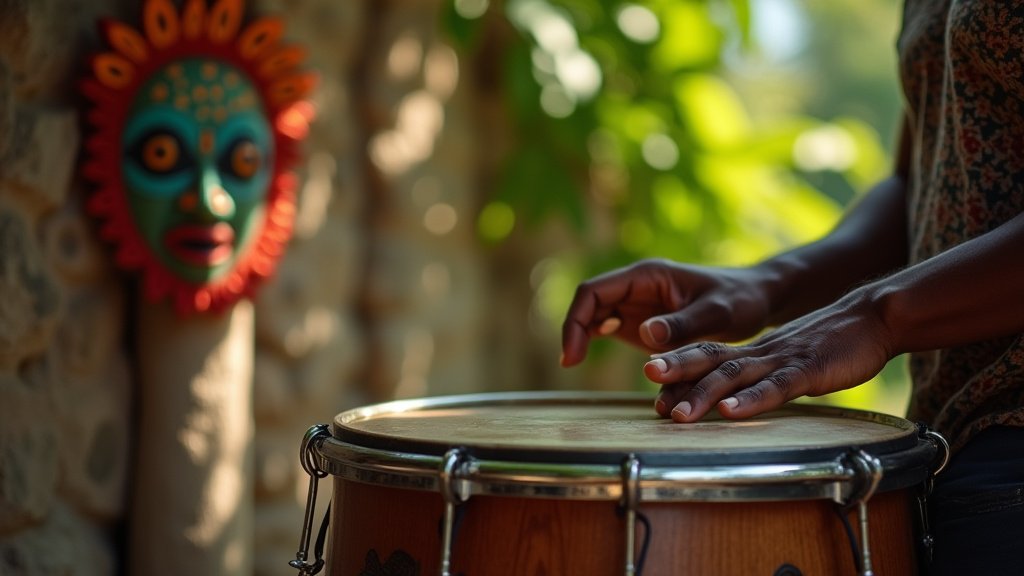
The Commonwealth of Dominica has officially announced the highly anticipated schedule for the Dominica Festival of Arts (DOMFESTA) 2026. Running from May 3 to June 6, this year’s festival is set to transform the island into a vibrant hub of artistic expression, spotlighting the unique creative spirit of the Nature Isle. Organized by the Division of Culture, the festival promises an expansive program that bridges traditional folk art with contemporary performance, reinforcing Dominica’s identity as a premier cultural destination in the Caribbean. The event will kick off with the iconic Jazz ‘n Creole at Fort Shirley, setting a high-energy tone for a month packed with theatrical tours, visual art exhibitions, and community-centric celebrations.
Key Highlights
- Extensive Duration: DOMFESTA 2026 spans over a month, from May 3 to June 6, ensuring diverse engagement opportunities for locals and visitors.
- Diverse Programming: The festival features a blend of Jazz ‘n Creole, youth theatre arts tours, Africa Day celebrations, and the Pan in Harmony concert.
- Community Focus: A significant emphasis is placed on island-wide outreach, including the Local Government National Clean Up and community-specific cultural events.
- Economic & Cultural Impact: By promoting local talent and inviting international tourism, DOMFESTA acts as a dual-purpose vehicle for economic stimulation and cultural preservation.
The Resurgence of the Nature Isle’s Creative Spirit
The announcement of the DOMFESTA 2026 schedule marks a pivotal moment for the Dominican cultural landscape. As the Caribbean seeks to define its post-pandemic tourism recovery, Dominica has leaned heavily into its ‘Nature Isle’ branding, not just as an eco-tourism destination, but as a bastion of authentic cultural heritage. DOMFESTA 2026 is designed to be the physical manifestation of this identity. The Division of Culture has carefully curated a program that moves beyond the typical tourist-facing events, opting instead to foster deep-rooted community participation.
From the opening notes of Jazz ‘n Creole to the final theatrical productions in June, the festival structure highlights the Division of Culture’s mission to professionalize and elevate Dominican arts. Unlike the massive street parties of Carnival or the specific historical commemorations of Independence, DOMFESTA offers a broader, more academic and intimate look at the Dominican aesthetic. It provides a platform for painters, poets, dancers, and musicians who are the quiet architects of the island’s unique national personality. This is not merely an entertainment schedule; it is an annual diagnostic of the island’s creative health, providing critical infrastructure and venues for artists to reach broader audiences.
Integrating Tradition with Modernity
One of the most compelling aspects of the 2026 program is the intentional integration of historical significance and modern artistic techniques. Events like the ‘Teachers Visual & Performing Arts Workshop’ at the Old Mill Cultural Centre demonstrate a structural focus on capacity building. By equipping the educators of today with the skills to teach the arts, the government is ensuring a sustainable pipeline of talent for future festivals. This educational component is vital for preserving traditional art forms—such as quadrille dancing or folk storytelling—which are at risk of dilution in an increasingly globalized cultural market.
Furthermore, the inclusion of contemporary events like ‘Jazz in the City: Poetry Open Mic’ serves to bridge the generational gap. It invites younger generations to interpret traditional spaces like ‘The Realm’ through a modern lens, effectively turning the festival into a dialogue between the old guard of Dominican artistry and the emerging digital-native creators. This multi-generational appeal is what sets DOMFESTA apart from other regional events; it is a laboratory for the island’s future, as much as it is a museum of its past.
Economic Drivers and Tourism Integration
The economic impact of DOMFESTA cannot be overstated. By centering the festival in May, the Dominican government is strategically extending the peak tourism season, providing a boost to local businesses, hotels, and tour operators during what might otherwise be a shoulder period. The schedule includes deliberate ‘island-wide’ events, such as the May 21st ‘Team Culture Community Outreach,’ which ensures that the economic benefits of the festival are not concentrated solely in the capital, Roseau, but are dispersed into rural communities.
This distribution is critical for rural development. When festivals are anchored in smaller villages, it encourages visitors to travel off the beaten path, stimulating local economies in areas that often see less tourist traffic. Whether it is the Capuchin Tourism Hike and Ride or the local government-led initiatives, the festival acts as a catalyst for infrastructure improvements and increased visibility for the rural interior. Visitors attracted by the promise of music or theatre are often converted into long-term patrons of the Nature Isle’s various eco-lodges and community-run attractions, creating a virtuous cycle of sustainable development.
FAQ: People Also Ask
Q: What are the official dates for DOMFESTA 2026?
A: The Dominica Festival of Arts (DOMFESTA) 2026 is scheduled to run from May 3, 2026, through June 6, 2026.
Q: Who organizes DOMFESTA?
A: The festival is organized and spearheaded by the Commonwealth of Dominica’s Division of Culture, with support from various government agencies and community organizations.
Q: Is DOMFESTA suitable for international visitors?
A: Yes. The festival is explicitly open to both locals and international tourists, offering a deep, immersive look into Dominican culture, music, and art, making it an excellent opportunity for travelers interested in authentic Caribbean experiences.
Q: What is the main theme of DOMFESTA 2026?
A: The 2026 edition focuses on promoting creativity, artistic expression, and community participation, highlighting the ‘Nature Isle’s’ rich heritage through a blend of traditional and contemporary art forms.