
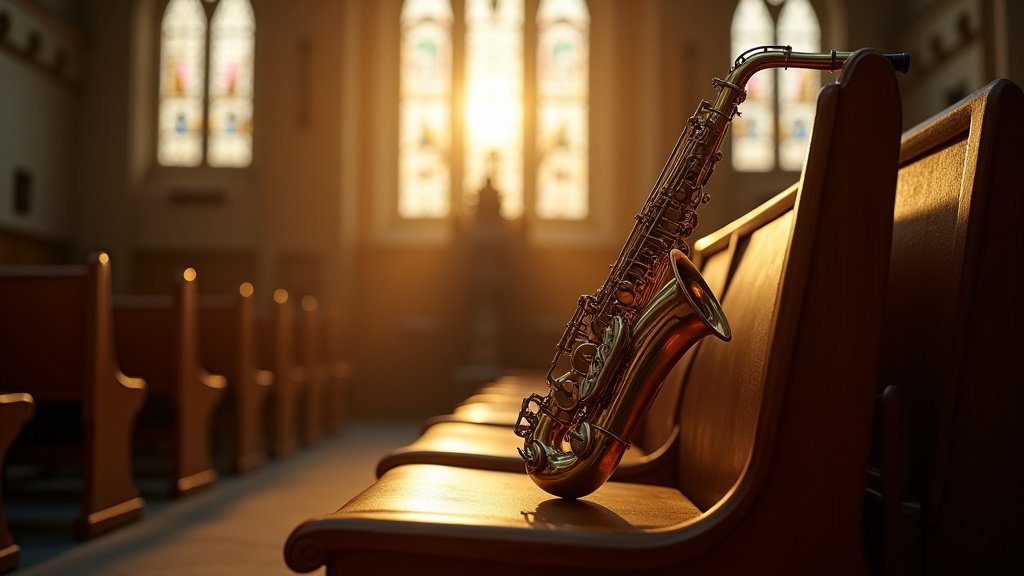
State Senator Joseph P. Addabbo, Jr. has once again partnered with the musical non-profit organization Harmony 4 All to host a special Mother’s Day jazz concert, turning the Sacred Heart Church in Glendale, New York, into a focal point for community unity. The event, scheduled for the evening of May 1, 2026, features a curated setlist of standard jazz favorites designed to honor the strength, sacrifice, and grace of mothers and mother-figures across the Queens community. By blending professional-grade musical performance with civic leadership, this initiative serves as a model for how public officials can utilize accessible neighborhood spaces to foster social cohesion and celebrate the families that form the bedrock of their districts.
Key Highlights
- Civic & Cultural Intersection: Senator Addabbo continues a series of community-based concerts, emphasizing that music acts as a vital tool for honoring local citizens and building communal bonds.
- Harmony 4 All’s Mission: The performance is led by the brother-sister duo Joshua and Bianca Quddus, who founded the organization to remove financial barriers to music education for underserved students.
- Inclusive Atmosphere: Hosted at Sacred Heart Church in Glendale, the concert is free and open to all ages, specifically aiming to bridge generational divides through the universal language of jazz.
- Educational Advocacy: Beyond the entertainment value, the concert serves as a platform to highlight the importance of music education in emotional and intellectual development for the youth.
The Resonant Power of Community-Led Jazz
The decision to host a Mother’s Day concert at Sacred Heart Church is far more than a simple calendar event; it represents a deliberate strategy to bring high-level artistic experiences directly into the residential heart of Queens. While urban centers often default to major cultural hubs for high-quality entertainment, Senator Addabbo’s collaboration with Harmony 4 All underscores the necessity of decentralizing the arts. By bringing jazz into a neighborhood house of worship, the event creates an accessible environment where families can gather without the cost barriers often associated with city-center performance venues.
The Musical Philosophy of Harmony 4 All
At the center of this collaboration is the Quddus duo—Joshua and Bianca. Having been educated through the Juilliard Music Advancement Program, they bring a level of technical precision and artistic passion that belies their status as young, grassroots organizers. Their organization, Harmony 4 All, was born from a realization that musical training is often a luxury, restricted by financial hurdles. Their approach is dual-faceted: they provide direct access to musical instruments and lessons for students who would otherwise go without, and they provide these students with stage time.
During this Mother’s Day event, the selection of jazz standards is intentional. Jazz, as a genre, relies on improvisation and collaborative listening—skills that mirror the dynamic nature of family life. By performing these pieces, the ensemble isn’t just playing notes; they are demonstrating a dialogue between instruments that serves as an allegory for the resilience and communication required in parenting and nurturing. The ensemble provides a template for the community: when diverse voices and instruments listen and respond to one another, the result is a harmonious whole.
The Role of Civic Leadership in the Arts
Senator Addabbo’s involvement highlights a shifting paradigm in local governance. In an era where digital isolation is increasingly common, representatives who facilitate physical gathering spaces are providing an essential public service. The church setting is specifically chosen for its historical role as a “third space”—a location distinct from home and work where community members can convene.
By leveraging the acoustics of a traditional church, the concert elevates the experience. It transforms a routine neighborhood gathering into a sacred, reflective moment. For the mothers in attendance, the concert functions as a recognition of the “hidden labor” often associated with parenting. The music is an explicit acknowledgement of the time, energy, and love that these women pour into the next generation. Addabbo noted that moms are the “foundation of our society,” and this concert serves as a tangible expression of gratitude from the community at large.
Expanding the Future of Local Education
One of the secondary angles of this partnership is the long-term impact on local students. The Harmony 4 All program is not just about the concert; it is about the pipeline. By collaborating with musicians who are currently under the tutelage of Juilliard faculty, the students involved in the ensemble are seeing a tangible path forward in their own academic and professional lives. They are not merely learning music; they are learning the logistics of production, the importance of advocacy, and the value of community service.
This creates a cyclical positive impact. Students learn from mentors, perform for their community, and the community—in turn—supports the continuation of these programs through attendance and awareness. It is a regenerative cultural economy that requires no state-funded grants, relying instead on the social capital of the neighborhood and the talent of its youth. This model suggests that the future of community arts may lie in these hyper-local, intergenerational partnerships rather than top-down cultural programming.
Addressing the Psychological Impact of Music
Finally, the concert touches upon the therapeutic qualities of live performance. Music therapy is a growing field, and while this concert is primarily celebratory, there is an underlying psychological benefit to community members gathering in silence and sound to share an experience. For many attendees, this may be their first time experiencing live jazz in a personal, intimate setting since the recent wave of community event renewals. The catharsis of hearing a live saxophone or piano, in a space that feels familiar and safe, allows for a communal processing of the joys and hardships of the past year.
As the ensemble plays, the audience is encouraged to reflect on their own mothers, grandmothers, and mentors. This is the goal of the event: to stop the clock of the digital age and reconnect with the people who built the foundation of the listeners’ lives. Senator Addabbo’s consistent support for Harmony 4 All signals that he views these events as essential for the mental health and civic health of his constituency. As we move forward, it is likely that such community-led, artist-supported events will become even more pivotal in maintaining the social fabric of cities like New York.
FAQ: People Also Ask
1. What is the goal of the Harmony 4 All organization?
Harmony 4 All, founded by Joshua and Bianca Quddus, aims to break down the financial barriers preventing underserved students from accessing high-quality musical education, recognizing music’s role in intellectual and emotional development.
2. Why does Senator Addabbo partner with local musical groups for these events?
Senator Addabbo utilizes these partnerships to foster community cohesion, support youth talent, and provide free, accessible cultural programming that honors local residents, particularly during significant celebrations like Mother’s Day.
3. Is this concert open to the public?
Yes, the Mother’s Day concert hosted by Senator Addabbo at Sacred Heart Church is free and open to residents of all ages, intended as a welcoming space for families to enjoy music together.
4. What kind of music is featured at the concert?
The performance focuses on standard jazz favorites, selected specifically for their ability to evoke emotions of appreciation, strength, and joy, providing a fitting tribute to the mothers and mother-figures of the community.