
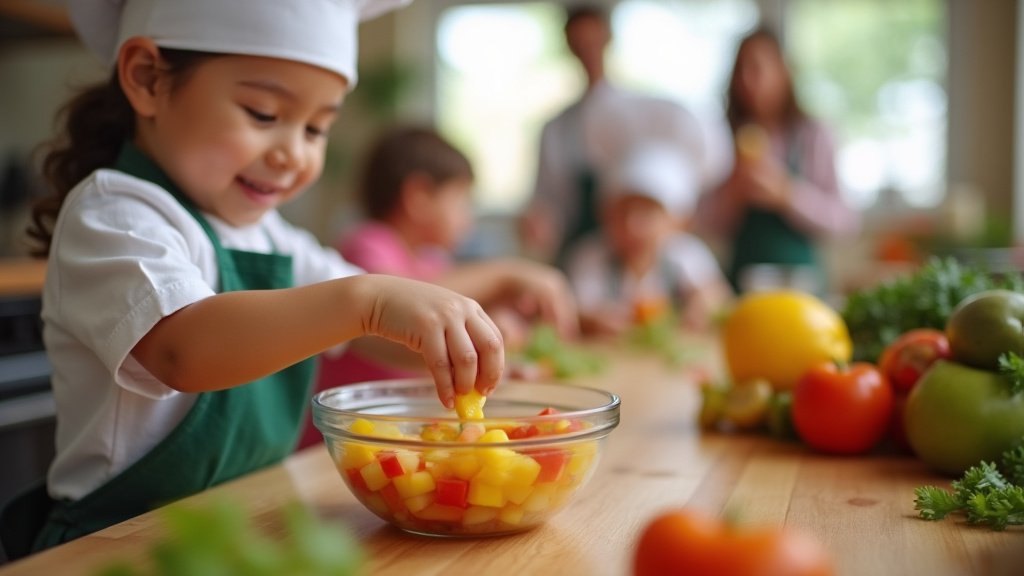
Young aspiring chefs gathered on Saturday, May 30th, for an exciting Caribbean cooking class designed to introduce them to the vibrant flavors and techniques of the islands. The event, held at a local community center, saw enthusiastic children don aprons and chef hats, eager to learn.
Key Highlights:
- Interactive cooking stations allowed children to get hands-on experience.
- Participants learned to prepare classic Caribbean dishes.
- Emphasis was placed on healthy eating and understanding ingredients.
- A fun, educational environment fostered a love for cooking.
A Taste of the Tropics: Little Chefs Dive into Caribbean Cuisine
Caribbean cuisine is a rich tapestry woven from indigenous, African, European, and Asian influences, resulting in a unique and flavorful culinary landscape. The “Little Chefs Caribbean Cooking Class” aimed to bring a simplified, child-friendly version of this diverse culinary heritage to life. From the sweet and savory notes of jerk seasoning to the comforting textures of rice and peas, the young participants were guided through each step with enthusiasm and patience. The class wasn’t just about following recipes; it was an immersive experience designed to spark curiosity about different cultures through food.
The Importance of Hands-On Learning
For children, learning by doing is paramount. The “Little Chefs” class embraced this philosophy, providing small, manageable portions of ingredients and age-appropriate tools. Under the watchful eyes of instructors, the children chopped, mixed, and sautéed, developing fine motor skills and a deeper understanding of how ingredients transform during the cooking process. This active participation helps solidify learning and builds confidence in the kitchen, potentially inspiring a lifelong passion for culinary arts.
Exploring Diverse Flavors
The chosen dishes for the class were carefully selected to represent the breadth of Caribbean flavors while remaining accessible to young palates. Participants might have learned to prepare simple versions of dishes like plantain fritters, a basic coconut rice and beans, or a fruit salsa using tropical fruits. The focus was on introducing a range of tastes – sweet, savory, a hint of spice – and demonstrating how these elements combine to create harmonious and delicious meals. Discussions about the origins of these ingredients and their cultural significance added an educational layer to the culinary adventure.
Fostering Healthy Eating Habits
Beyond the fun of cooking, the class also incorporated lessons on healthy eating. Children learned about the importance of fresh produce, the benefits of whole grains, and how to make nutritious choices. By engaging them directly in the preparation of healthy foods, the class aimed to encourage a positive relationship with nutritious ingredients and meals, setting a foundation for healthier eating habits in the future.
Community and Connection Through Food
Events like the “Little Chefs Caribbean Cooking Class” serve a broader purpose than just teaching cooking skills. They bring families and community members together, fostering a sense of connection and shared experience. The joy of preparing and sharing food is a universal language, and this class provided a vibrant platform for children to learn, grow, and connect with each other and with the rich culture of the Caribbean.
FAQ: People Also Ask
What age group is the Little Chefs Caribbean Cooking Class typically for?
The class is generally designed for children between the ages of 6 and 12, providing age-appropriate instruction and activities.
What kind of Caribbean dishes are usually taught?
Dishes often include simplified versions of popular items like plantain fritters, rice and peas, fruit salsas, and mild jerk-seasoned skewers or chicken.
Are ingredients provided for the cooking class?
Yes, all necessary ingredients and cooking equipment are provided for the participants.
Is there an emphasis on allergies or dietary restrictions?
Reputable classes will inquire about allergies and dietary restrictions beforehand and make accommodations where possible.