
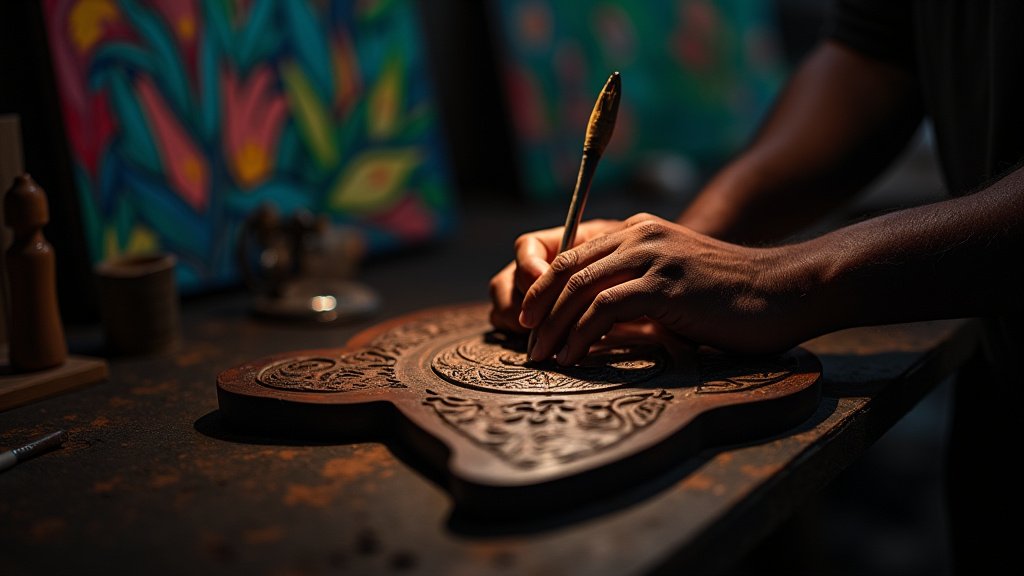
Caribbean artists are at the forefront of a vital movement to preserve and promote the region’s rich cultural heritage and identity. Through diverse artistic expressions, they are raising awareness, fostering dialogue, and safeguarding traditions for future generations.
Key Highlights:
- Artists are using various mediums to document and celebrate Caribbean traditions.
- The movement addresses the challenges of cultural erosion in the face of globalization.
- Educational initiatives and community engagement are crucial components of preservation efforts.
- The role of art in strengthening Caribbean identity and fostering resilience is paramount.
The Art of Resilience: Caribbean Voices Preserve Heritage
The vibrant tapestry of Caribbean culture, woven from a complex history of migration, trade, and indigenous roots, is under constant evolution. In this dynamic landscape, a dedicated cadre of artists—painters, sculptors, musicians, writers, and performers—have emerged as powerful custodians of their heritage. They are not merely creating art; they are actively engaging in a mission to preserve, celebrate, and transmit the essence of Caribbean identity to a global audience and, crucially, to younger generations within the islands. This artistic vanguard is navigating the delicate balance between tradition and modernity, using their platforms to ensure that the unique stories, languages, and customs of the Caribbean endure.
Documenting Traditions Through Artistic Lenses
Artists across the Caribbean are employing a wide array of disciplines to document and revitalize cultural practices. In Jamaica, for instance, visual artists are creating powerful works that depict Rastafarian culture, Maroon history, and the island’s distinctive patois, making these elements accessible and appreciated beyond their immediate communities. Similarly, in Haiti, painters and sculptors are drawing inspiration from Vodou traditions, historical narratives, and everyday life, transforming these subjects into compelling visual statements that resonate with both local pride and international recognition. Musicians are reviving traditional folk melodies, infusing them with contemporary sounds to create a bridge between past and present, ensuring that the rhythms and lyrical traditions remain alive and relevant. Storytellers and writers are meticulously recording oral histories, folklore, and ancestral knowledge, translating them into written forms that can be preserved in archives and shared through literature.
Confronting Cultural Erosion in a Globalized World
The artists’ preservation efforts are a direct response to the pervasive forces of globalization, which often lead to the homogenization of cultures. The influx of global media, consumerism, and dominant cultural narratives can overshadow and dilute unique local traditions. Caribbean artists are actively pushing back against this tide by emphasizing the value and distinctiveness of their own cultural expressions. They are creating art that serves as a powerful counter-narrative, celebrating the specificity of Caribbean experiences and challenging the perception that globalized culture is inherently superior or more desirable. This conscious effort to highlight local distinctiveness is vital for maintaining a strong sense of self and community in an increasingly interconnected world.
Fostering Identity and Resilience Through Art
Beyond documentation and resistance, Caribbean art plays a pivotal role in fostering a robust sense of identity and resilience among its people. By engaging with their heritage through art, individuals, particularly the youth, can develop a deeper understanding and appreciation of their roots. This connection to cultural identity provides a strong foundation, empowering individuals to navigate the complexities of modern life with confidence and a sense of belonging. The shared experience of creating and consuming art that reflects their collective history and values also strengthens community bonds. This communal artistic engagement fosters a collective consciousness and resilience, enabling communities to face social, economic, and environmental challenges with a unified spirit.
The Role of Education and Community Engagement
Many artists recognize that preservation is not solely an individual endeavor but a community-wide responsibility. Consequently, they are increasingly involved in educational initiatives and community outreach programs. Workshops, art installations in public spaces, cultural festivals, and collaborative projects are being organized to engage a broader audience, especially young people. These initiatives aim to demystify traditional art forms, encourage participation, and instill a sense of pride and ownership in the cultural heritage. By making cultural preservation an active, participatory process, artists are helping to ensure its continuity and evolution.
FAQ: People Also Ask
What are the main challenges to preserving Caribbean heritage?
The primary challenges include the pervasive influence of globalization leading to cultural homogenization, the loss of traditional languages and dialects, socioeconomic pressures that divert attention from cultural practices, and sometimes, a lack of adequate resources and institutional support for cultural preservation initiatives.
How do artists contribute to preserving Caribbean identity?
Artists contribute by creating works that celebrate, document, and reinterpret Caribbean traditions, history, and social realities. They use various mediums to keep cultural narratives alive, foster pride, and educate younger generations, acting as vital links between the past and the present.
What impact does globalization have on Caribbean culture?
Globalization can lead to the erosion of unique local traditions as globalized media and consumer culture become more dominant. However, it also offers opportunities for cultural exchange and for Caribbean artists to share their heritage on an international stage, potentially leading to renewed interest and preservation efforts.
Why is cultural preservation important for the Caribbean?
Cultural preservation is crucial for maintaining distinct identities, fostering social cohesion, strengthening national pride, and building resilience in the face of external pressures. It ensures that the unique heritage of the Caribbean is passed down, enriching future generations and contributing to a diverse global cultural landscape.
What are some examples of Caribbean art forms that are being preserved?
Examples include traditional music genres like Calypso and Reggae, specific dance forms, oral storytelling traditions, indigenous crafts, culinary heritage, and visual arts that depict historical events and daily life. Many artists are also working to preserve and revitalize Creole languages.