
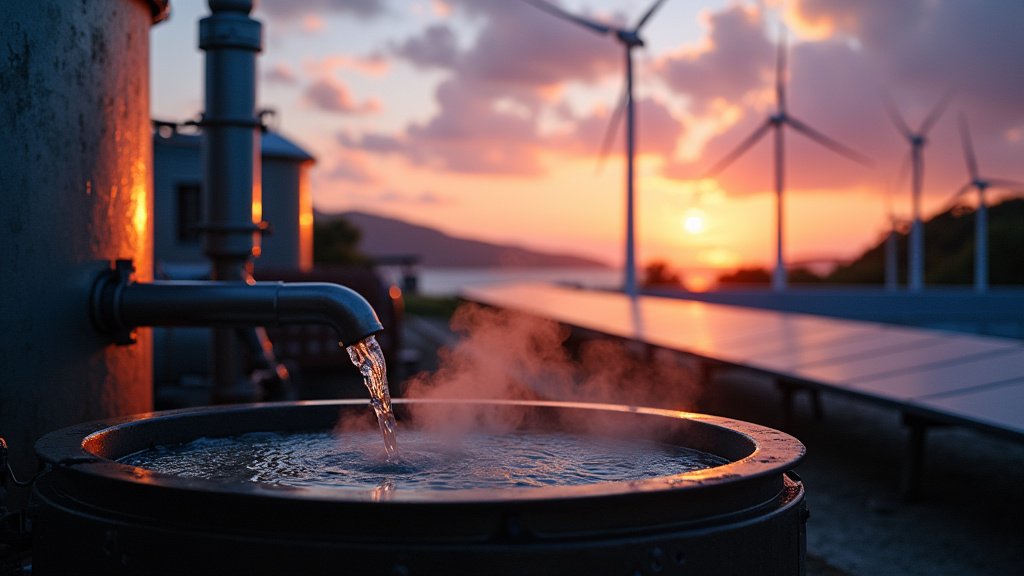
Caribbean rum producers are increasingly focusing on sustainable and cleaner production methods to meet growing consumer demand for eco-friendly products and to reduce their environmental footprint. This shift involves adopting innovative technologies and practices across the entire supply chain, from sugarcane farming to distillation and packaging.
Key Highlights:
- Growing consumer preference for sustainable products driving industry change.
- Adoption of renewable energy sources in distillation processes.
- Implementation of water conservation and waste reduction strategies.
- Focus on eco-friendly packaging and responsible sourcing of raw materials.
- Collaboration and knowledge sharing among rum producers to advance green initiatives.
Sustainable Spirits: The Rise of Eco-Conscious Rum
The Caribbean’s iconic rum industry is undergoing a significant transformation as producers prioritize sustainability and environmental responsibility. This evolution is not merely a trend but a fundamental shift driven by increasing consumer awareness and a collective desire to protect the delicate ecosystems of the region. From the sugarcane fields to the final bottled product, distilleries are rethinking their processes to minimize their ecological impact.
Greening the Sugarcane Supply Chain
The journey of rum begins with sugarcane, and many producers are now advocating for and implementing sustainable agricultural practices. This includes reducing the use of pesticides and synthetic fertilizers, promoting organic farming methods, and improving water management in irrigation. Regenerative agriculture techniques are also being explored to enhance soil health and biodiversity. By focusing on the source, rum makers are ensuring that their raw materials are cultivated with the planet in mind.
Innovations in Distillation and Energy
The energy-intensive nature of distillation presents a major area for environmental improvement. Many Caribbean rum producers are investing in renewable energy sources such as solar and wind power to reduce their reliance on fossil fuels. Advanced distillation techniques are also being employed to increase efficiency and reduce waste. Furthermore, efforts are underway to capture and reuse byproducts, transforming what was once waste into valuable resources, such as bio-fertilizers or even energy.
Water Stewardship and Waste Management
Water is a critical resource in rum production, used for everything from growing sugarcane to cleaning equipment. Consequently, water conservation measures are paramount. Producers are implementing closed-loop water systems, optimizing cleaning protocols to use less water, and investing in advanced wastewater treatment technologies to ensure that discharged water meets stringent environmental standards. Reducing waste extends beyond water; efforts are being made to minimize solid waste through recycling programs and the use of biodegradable materials.
Eco-Friendly Packaging and Distribution
The environmental impact of packaging and distribution is also under scrutiny. Many brands are transitioning to lighter glass bottles, utilizing recycled materials for labels and secondary packaging, and exploring biodegradable or compostable alternatives. Logistics are being optimized to reduce transportation emissions, with some companies prioritizing local sourcing and distribution networks where feasible.
Collaboration and the Future of Green Rum
Recognizing that sustainability is a collective challenge, many Caribbean rum producers are engaging in collaborative efforts. Industry associations and individual companies are sharing best practices, investing in research and development for greener technologies, and working together to set industry-wide sustainability standards. This cooperative spirit is crucial for accelerating the transition towards a truly sustainable rum industry.
FAQ: People Also Ask
What are the main environmental challenges facing the Caribbean rum industry?
The main environmental challenges include water scarcity and pollution, energy consumption during distillation, waste management from sugarcane processing and packaging, and the impact of agricultural practices on biodiversity and soil health.
How are Caribbean rum producers reducing their carbon footprint?
Producers are reducing their carbon footprint by investing in renewable energy sources (solar, wind), improving energy efficiency in distillation processes, optimizing transportation logistics, using lighter and recycled packaging materials, and adopting sustainable farming methods that sequester carbon.
What is ‘green rum’ and why is it becoming popular?
‘Green rum’ refers to rum produced using environmentally sustainable practices. It is becoming popular due to growing consumer demand for eco-friendly and ethically produced goods, as well as a general increase in environmental awareness. Consumers are willing to support brands that demonstrate a commitment to protecting the planet.
Are there specific certifications for sustainable rum production?
While there isn’t one universal ‘sustainable rum’ certification, many producers seek certifications related to organic agriculture (for sugarcane), renewable energy usage, waste reduction, and fair labor practices. Some may also adhere to broader sustainability standards set by industry bodies or environmental organizations.
What role does the local community play in sustainable rum production?
The local community plays a vital role by being stewards of the land where sugarcane is grown, participating in recycling and waste management initiatives, and supporting businesses that prioritize environmental and social responsibility. Sustainable practices often create local employment opportunities and contribute to the long-term health of the local environment and economy.