
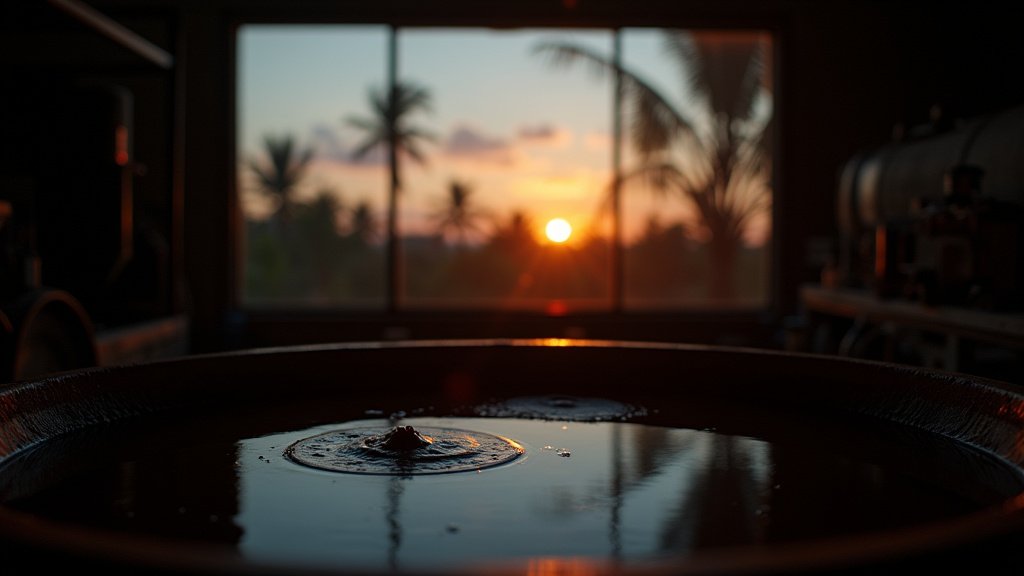
Summary Lead: Caribbean rum producers are increasingly adopting sustainable and cleaner production methods to meet growing consumer demand for environmentally conscious products and to bolster the long-term viability of their iconic industry.
Key Highlights:
- A growing number of distilleries are investing in renewable energy sources and water conservation techniques.
- Producers are focusing on reducing waste throughout the production cycle, from sugarcane farming to bottling.
- The shift towards sustainability is driven by consumer preference and the need to mitigate climate change impacts on agriculture.
- Innovation in packaging, such as biodegradable materials and lighter glass, is also a key focus.
The Spirits of Sustainability: Caribbean Rum’s Green Evolution
Driving Forces Behind the Green Shift
The Caribbean rum industry, a cornerstone of the region’s cultural and economic identity, is undergoing a significant transformation. Recognizing the escalating urgency of environmental concerns and the evolving preferences of global consumers, distilleries across the islands are widening their push into cleaner production. This proactive approach is not merely a response to market trends but a strategic imperative to ensure the industry’s resilience against climate change and to preserve the very ecosystems that nurture their world-renowned spirits. From the sun-drenched sugarcane fields to the intricate distillation processes, a new era of eco-conscious rum-making is taking hold.
Innovations in Sustainable Sugarcane Farming
The journey to greener rum begins at the source: the sugarcane. Many producers are now implementing regenerative agriculture practices. This includes reducing pesticide and herbicide use, promoting biodiversity in the fields, and improving soil health through cover cropping and minimal tillage. Water management is also critical, with advanced irrigation techniques and rainwater harvesting systems being deployed to minimize water consumption in a region increasingly vulnerable to drought. Some distilleries are even exploring the use of drought-resistant sugarcane varieties.
Energy Efficiency and Renewable Power at the Distillery
Distilleries themselves are becoming hubs of green technology. A substantial investment is being channeled into transitioning from fossil fuels to renewable energy sources. Solar power is becoming increasingly prevalent, with panels adorning the roofs of distilleries and warehouses. Biogas, derived from agricultural waste and wastewater, is also being harnessed to power boilers and other equipment, creating a circular economy within the production process. Energy-efficient distillation columns and cooling systems are being adopted to further reduce the carbon footprint.
Waste Reduction and Circular Economy Principles
Minimizing waste is a central tenet of the new sustainable paradigm. This involves optimizing every stage of production to reduce by-products. Molasses, a primary by-product of sugar refining, is not only being used for biogas but also explored for its potential in creating value-added products. Spent grains and wastewater are being treated and repurposed, often used as natural fertilizers for the sugarcane fields, closing the loop. Packaging is also under scrutiny, with a focus on reducing material usage, increasing recycled content, and exploring biodegradable or easily recyclable alternatives for labels and closures.
Consumer Demand and Market Advantage
The shift towards sustainability is strongly correlated with consumer demand. Today’s discerning drinkers, particularly in key export markets like Europe and North America, are increasingly seeking out brands that align with their values. Reports indicate a growing willingness to pay a premium for products that are ethically and sustainably produced. For Caribbean rum producers, embracing these practices offers a significant competitive advantage, enhancing brand reputation and opening doors to new market segments.
Addressing Climate Change Vulnerabilities
The Caribbean is on the front lines of climate change, facing threats from rising sea levels, increased storm intensity, and altered rainfall patterns, all of which can impact sugarcane cultivation and distillery operations. By adopting sustainable practices, producers are not only reducing their environmental impact but also building greater resilience into their supply chains and operations, safeguarding the future of their businesses and the local economies they support.
The Role of Certification and Transparency
To validate their efforts and build consumer trust, many rum producers are pursuing third-party certifications for sustainability. These certifications provide independent verification of their environmental claims and ensure transparency throughout the supply chain. This commitment to accountability is crucial for maintaining credibility in a market where ‘greenwashing’ is a growing concern.
FAQ: People Also Ask
What are the main environmental challenges facing the Caribbean rum industry?
The main challenges include water scarcity, the impact of extreme weather events like hurricanes, soil degradation, and the carbon footprint associated with energy consumption and transportation.
How do rum producers reduce their water usage?
Producers are implementing water-efficient distillation techniques, investing in wastewater treatment and recycling systems, and adopting rainwater harvesting.
What is being done about waste from rum production?
Efforts focus on reducing waste at the source, repurposing by-products like molasses and wastewater for energy (biogas) or fertilizer, and adopting more sustainable packaging solutions.
Are consumers willing to pay more for sustainable rum?
Yes, studies and market trends indicate that a significant and growing segment of consumers are willing to pay a premium for rums produced using environmentally responsible and ethical methods.
How does climate change specifically affect rum production?
Climate change can impact sugarcane yields due to altered weather patterns (droughts, floods), increase the risk of damage to distillery infrastructure from storms, and affect the availability of water resources.