
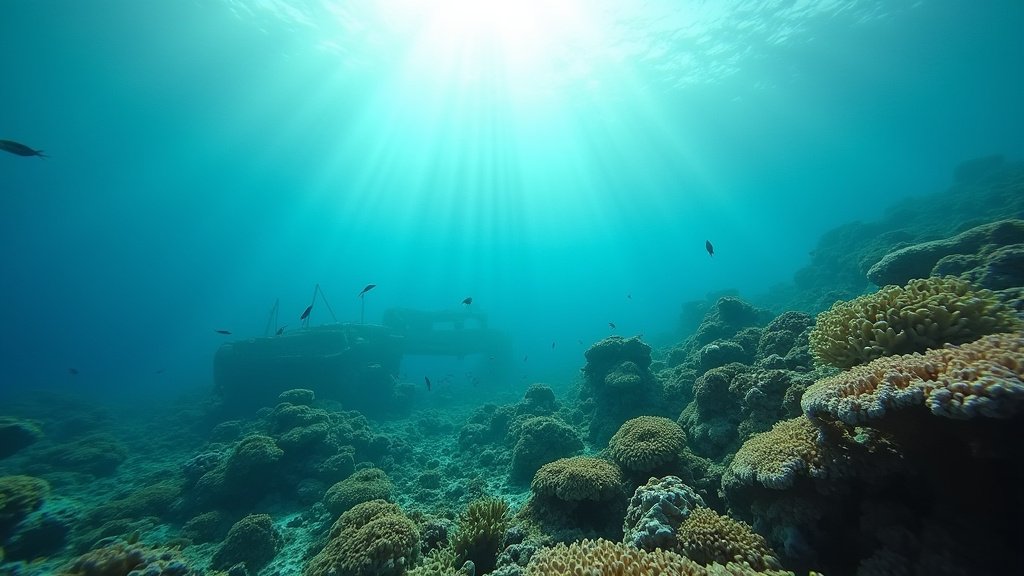
Royal Caribbean has officially abandoned its controversial plan to build a large-scale water park in Costa Maya, Mexico, following significant environmental backlash from local communities and conservation groups. The decision marks a victory for environmental advocates concerned about the potential impact on delicate marine ecosystems.
Key Highlights:
- Royal Caribbean has canceled its Mexico water park project.
- The decision comes after strong opposition from environmentalists.
- Concerns were raised about the impact on local marine life and ecosystems.
- The project’s cancellation highlights the growing influence of environmental activism in tourism development.
Environmental Opposition Halts Costa Maya Project
The ambitious water park, intended to be a major tourist attraction, faced mounting criticism over its proposed location and potential environmental consequences. Critics argued that the development would disrupt vital coastal habitats, harm marine biodiversity, and negatively affect the local ecosystem, particularly coral reefs and mangrove forests that are crucial for the region’s environmental health. Organizations such as The Natural Resources Defense Council (NRDC) and local Mexican environmental coalitions voiced strong objections, citing the need to protect the pristine nature of the Yucatan Peninsula.
Royal Caribbean’s Initial Proposal and Concerns
Initially, Royal Caribbean presented the water park as a significant investment that would bring jobs and economic benefits to the region. However, as details emerged, so did the extent of the potential environmental damage. Environmental impact assessments were scrutinized, with many experts pointing to the inadequacy of proposed mitigation strategies. The project’s footprint was substantial, threatening to encroach on protected areas and disrupt natural water flow, which could lead to coastal erosion and the degradation of essential nursery grounds for fish and other marine species.
Local Community and Activist Mobilization
The backlash was not confined to environmental organizations; local communities in Quintana Roo, as well as Mexican citizens, actively participated in protests and awareness campaigns. Social media played a crucial role in amplifying these concerns, drawing international attention to the potential ecological catastrophe. The widespread opposition demonstrated a powerful synergy between local grassroots movements and international environmental advocacy groups, creating a formidable front against the development.
Implications for Future Tourism Projects
This cancellation sends a clear message to the global tourism industry: sustainable development and environmental stewardship are no longer optional considerations. Companies like Royal Caribbean will increasingly face pressure to conduct thorough environmental impact studies and engage proactively with local communities and environmental stakeholders. The incident underscores a shift towards more responsible tourism practices, where the long-term health of ecosystems is prioritized alongside economic gains. It suggests that future large-scale projects will require a more robust commitment to environmental protection and community engagement from the outset to gain approval and public acceptance.
FAQ: People Also Ask
What was Royal Caribbean’s canceled project in Mexico?
Royal Caribbean had planned to build a large water park in Costa Maya, Mexico, as a new tourist attraction. However, the project was officially scrapped due to environmental concerns.
Why was the water park project canceled?
The project was canceled due to significant environmental backlash. Critics raised concerns about the potential harm to delicate marine ecosystems, coral reefs, and coastal habitats in the Yucatan Peninsula.
Who opposed the water park project?
The opposition came from a coalition of environmental organizations, including the Natural Resources Defense Council (NRDC), local Mexican environmental groups, and concerned members of the local community in Quintana Roo.
What are the potential environmental impacts of such projects?
Large-scale coastal developments can lead to habitat destruction, harm to marine biodiversity, disruption of natural water flows, coastal erosion, and degradation of essential nursery grounds for marine life. They can also impact coral reefs and mangrove forests.
What does this cancellation mean for future tourism developments?
This decision signals that the tourism industry must increasingly prioritize sustainable development, conduct thorough environmental impact assessments, and engage meaningfully with local communities and environmental advocates to ensure projects are environmentally responsible and socially accepted.