
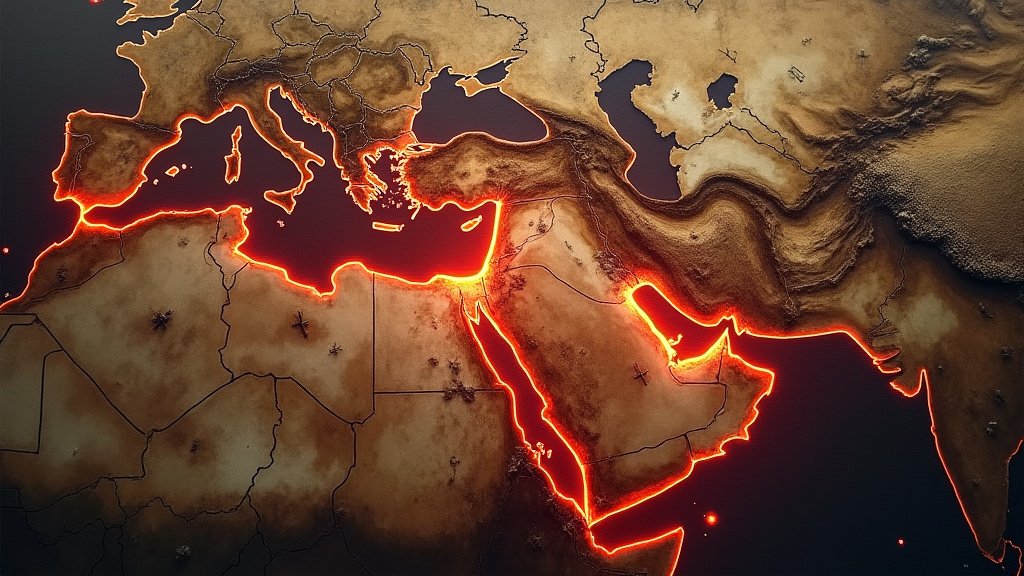
Iran has issued a stern warning to the United States, cautioning against any actions that could escalate tensions or threaten shipping lanes in the Persian Gulf. Concurrently, reports indicate that Israel has conducted significant operations in Lebanon, resulting in the deaths of dozens of individuals. These dual developments underscore the volatile geopolitical landscape in the Middle East, with implications for regional stability and global maritime security.
Key Highlights:
- Iran directly warns the US against military provocations targeting commercial vessels.
- Israel’s strikes in Lebanon have led to a substantial loss of life.
- The events raise concerns about a broader regional conflict.
- Maritime security in the Strait of Hormuz remains a critical point of focus.
Geopolitical Tensions Escalate in the Middle East
In a significant diplomatic and military development, Iran has formally communicated its resolve to counter any aggressive moves by the United States in the sensitive waters of the Persian Gulf. The Islamic Republic’s Ministry of Foreign Affairs released a statement emphasizing that any attempt to interfere with or attack Iranian or international tankers would be met with a firm and decisive response. This warning comes amid heightened tensions in the region, often fueled by broader strategic rivalries and ongoing proxy conflicts. The strait of Hormuz, a vital chokepoint for global oil supplies, is a perennial flashpoint, and Iran’s rhetoric serves as a stark reminder of the potential for disruption.
Israeli Operations in Lebanon
Simultaneously, the focus has shifted to the northern front, where Israel has reportedly carried out extensive military operations within Lebanese territory. Initial reports suggest that these actions have resulted in the deaths of a significant number of people, described as ‘dozens.’ While specific details regarding the targets and the nature of the Israeli military’s engagement remain somewhat scarce, the reported casualties highlight the severity of the recent escalation. These operations are likely part of Israel’s broader security strategy aimed at curbing perceived threats emanating from Lebanon, particularly those involving militant groups. The high number of fatalities underscores the intense nature of the engagements and raises immediate humanitarian concerns.
Implications for Regional Stability
The confluence of these two major events – Iran’s warning to the US and Israel’s operations in Lebanon – paints a precarious picture for Middle East stability. The region has long been a complex web of alliances, rivalries, and ongoing conflicts. Any significant miscalculation or escalation by any of the involved parties could have far-reaching consequences, potentially drawing in other regional and international players. Analysts are closely monitoring the situation, assessing the likelihood of a wider conflagration. The potential for spillover effects into neighboring countries and the impact on global energy markets are also significant concerns.
Maritime Security and International Law
The warning from Iran directly implicates the United States and raises critical questions about freedom of navigation and international maritime law. The US Navy frequently operates in the Persian Gulf to ensure the free flow of commerce and deter Iranian aggression. Iran’s stance suggests a willingness to challenge this presence, potentially leading to dangerous confrontations. The international community is watching to see how the US will respond to Iran’s explicit warning, and whether diplomatic channels can be utilized to de-escalate the situation and prevent any untoward incidents at sea. Adherence to international maritime regulations and the peaceful resolution of disputes are paramount in such volatile environments.
Analysis of Escalation Dynamics
The current situation reflects a cyclical pattern of escalation and de-escalation in the Middle East. Iran’s warnings often serve as a deterrent or a response to perceived threats, while Israel’s military actions are typically framed as preemptive measures against its adversaries. Understanding the underlying strategic objectives and the domestic political considerations driving these actions is crucial for a comprehensive analysis. The involvement of international powers, particularly the United States, adds another layer of complexity, as their posture can significantly influence regional dynamics. The recent developments highlight the enduring challenges in achieving lasting peace and security in this strategically vital part of the world.
FAQ: People Also Ask
What is Iran’s primary concern regarding the US in the Persian Gulf?
Iran’s primary concern is that the United States might engage in aggressive actions or provocations that threaten its sovereignty, its maritime interests, or the security of vital shipping lanes in the Persian Gulf, particularly the Strait of Hormuz.
What has been Israel’s recent military activity in Lebanon?
Recent reports indicate that Israel has conducted significant military operations in Lebanon, resulting in the deaths of dozens of individuals. The exact targets and objectives of these operations are still emerging, but they are likely related to Israel’s ongoing security concerns regarding militant groups operating from Lebanese territory.
How could these events impact global oil prices?
An escalation of conflict or significant disruption to shipping in the Persian Gulf could lead to a surge in global oil prices. The Strait of Hormuz is a critical transit point for a substantial portion of the world’s oil supply, and any threat to this flow can create market uncertainty and drive up prices.
What is the role of international diplomacy in de-escalating tensions?
International diplomacy plays a crucial role by providing channels for communication, negotiation, and de-escalation. Diplomatic efforts can help prevent misunderstandings, facilitate dialogue between adversaries, and encourage adherence to international law and norms, thereby reducing the risk of military conflict.
What are the potential consequences of a wider regional conflict?
A wider regional conflict in the Middle East could have devastating humanitarian consequences, widespread economic disruption, and a significant impact on global security. It could destabilize numerous countries, displace populations, and potentially draw in major global powers.