
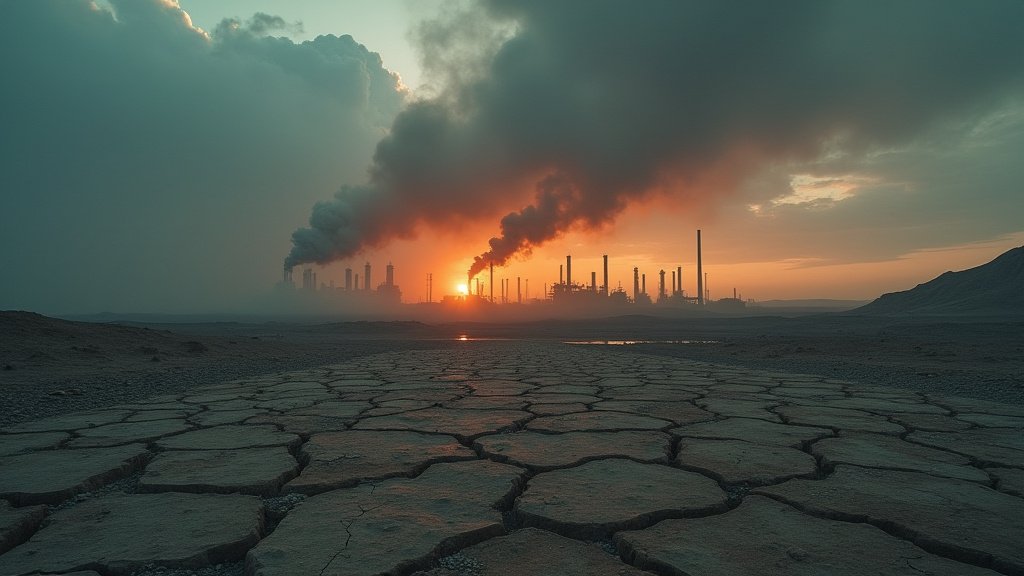
Israel launched an airstrike on a petrochemical facility in Iran early Friday, the same day a powerful 7.8-magnitude earthquake struck the Philippines, exacerbating already heightened geopolitical tensions in West Asia. The dual events underscore a volatile period marked by both regional conflict and natural disaster.
Key Highlights:
- Israel reportedly targeted an Iranian petrochemical plant.
- A significant 7.8 magnitude earthquake hit the Philippines.
- The events raise concerns about escalating regional conflicts and the impact of natural disasters.
- International focus is divided between geopolitical hotspots and humanitarian crises.
Global Crises Collide: Iran Strike Amidst Philippine Quake
The geopolitical landscape in West Asia was further destabilized Friday with reports of an Israeli airstrike on a petrochemical plant in Iran. This strike occurred concurrently with a massive 7.8-magnitude earthquake that devastated parts of the Philippines, creating a dual crisis scenario that demands international attention. The timing of the Israeli strike, while Iran is a key player in regional dynamics, raises immediate questions about escalation and the potential for wider conflict in an already volatile area. Simultaneously, the catastrophic earthquake in the Philippines has triggered a massive humanitarian response, highlighting the world’s vulnerability to both man-made and natural disasters.
Geopolitical Tensions Escalate in West Asia
The airstrike on the Iranian petrochemical facility marks another significant development in the ongoing tensions between Israel and Iran, which have been amplified by broader regional conflicts. While details remain scarce, the targeting of an industrial-intelligence asset suggests a strategic move by Israel, aiming to degrade Iran’s capabilities. This action comes amid broader concerns about Iran’s nuclear program and its involvement in supporting regional militant groups. The international community has long been watchful of this adversarial relationship, and such strikes can have far-reaching implications, potentially drawing in other regional or global powers. The economic impact of damaging critical infrastructure like petrochemical plants can also be substantial, affecting global energy markets.
Philippines Grapples with Devastating Earthquake
In a starkly different but equally urgent crisis, the Philippines was struck by a powerful 7.8-magnitude earthquake. The quake, with its epicenter located off the coast, triggered widespread destruction, particularly in densely populated areas. Initial reports indicate significant loss of life, injuries, and extensive damage to infrastructure, including homes, roads, and hospitals. Rescue and relief efforts are underway, but the scale of the disaster presents immense logistical challenges. The Philippine government has appealed for international assistance, a call likely to be met with urgency given the severity of the seismic event. Natural disasters of this magnitude test the resilience of nations and necessitate a coordinated global humanitarian response.
The Intersecting Crises: A Divided World
The simultaneous occurrence of these events — a targeted military strike in a geopolitical hotspot and a catastrophic natural disaster in a densely populated archipelago — presents a complex challenge for global governance and humanitarian aid. International resources and attention are finite, and the need to balance responses between ongoing conflicts and sudden-onset emergencies is a delicate act. The petrochemical strike in Iran could divert diplomatic energy and resources that might otherwise be focused on the Philippines. Conversely, the sheer scale of the earthquake may overshadow the geopolitical developments, potentially offering a brief respite or altered calculus in regional military engagements. Experts are monitoring how international bodies like the United Nations and various humanitarian organizations will prioritize and allocate their support.
Economic Repercussions and Humanitarian Needs
The economic implications of the Iran strike are potentially significant. Petrochemical plants are vital for producing fuels and industrial materials, and damage to such facilities can disrupt supply chains and influence global energy prices. This is particularly sensitive given existing economic pressures worldwide. For the Philippines, the immediate economic shock will be immense, with the cost of reconstruction likely running into billions of dollars. Beyond the financial costs, the human toll is paramount. The earthquake has left thousands displaced, many without basic necessities like shelter, food, and clean water, requiring a massive and sustained humanitarian aid effort. Aid agencies are scrambling to assess the most critical needs and deliver essential supplies.
Looking Ahead: A Precarious Global Outlook
The coming days and weeks will be critical in understanding the full impact of both the Iranian strike and the Philippine earthquake. In Iran, the response to the Israeli attack will dictate the immediate trajectory of West Asian tensions. Diplomatic channels will be crucial, as will the pronouncements from regional and international powers. For the Philippines, the focus will be on the effectiveness of rescue operations, the provision of immediate relief, and the long-term planning for recovery and rebuilding. The dual nature of these crises serves as a stark reminder of the interconnectedness of global security and the unpredictable force of nature, demanding a nuanced and robust approach from the international community.
FAQ: People Also Ask
What was the magnitude of the earthquake in the Philippines?
The earthquake that struck the Philippines had a magnitude of 7.8.
Where did the earthquake in the Philippines occur?
The earthquake’s epicenter was located off the coast of the Philippines, leading to significant impact in surrounding areas and potentially triggering tsunamis.
What was targeted in Iran?
Reports indicate that an Israeli airstrike targeted a petrochemical plant in Iran.
What are the immediate concerns following these events?
Immediate concerns include the potential for escalation of conflict in West Asia following the Iran strike, and the massive humanitarian crisis unfolding in the Philippines due to the earthquake.
How might these events affect global stability?
These events could divert international resources and attention, potentially impacting diplomatic efforts for existing conflicts and straining humanitarian aid capacities.