
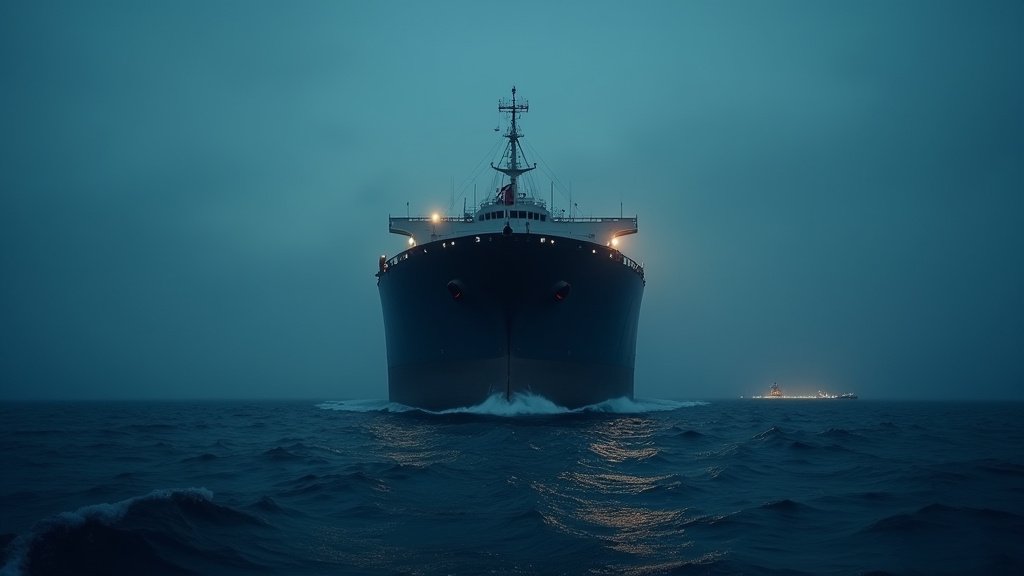
The U.S. Navy has intercepted and boarded an Iranian-flagged oil tanker in the Gulf of Oman, suspected of attempting to breach an international blockade. The operation, conducted by naval special warfare operators, highlights the ongoing tensions and maritime security challenges in the strategically vital waterway.
Key Highlights:
- U.S. Navy forces boarded an Iranian-flagged oil tanker.
- The tanker is suspected of trying to breach an international blockade.
- The incident occurred in the Gulf of Oman, a critical shipping route.
- This operation underscores heightened regional maritime security concerns.
Naval Operation in the Gulf of Oman
In a significant maritime interdiction, U.S. Navy special warfare personnel successfully boarded and secured an oil tanker operating under the Iranian flag. The vessel was reportedly attempting to circumvent an international blockade, a move that has escalated tensions in the already volatile region. The Gulf of Oman, a crucial chokepoint connecting the Persian Gulf to the open ocean, is a vital artery for global oil and gas shipments, making any disruption or suspicious activity there a matter of international concern.
Strategic Importance of the Gulf of Oman
The Gulf of Oman serves as a critical transit route for crude oil and liquefied natural gas. Its strategic location makes it a focal point for geopolitical maneuvering and a potential flashpoint for conflicts involving regional powers and international naval forces. The U.S. Navy’s presence and operations in this area are aimed at ensuring freedom of navigation and deterring illicit activities, including the smuggling of oil and weapons.
The Nature of Blockades and Interdictions
International blockades and interdiction operations are complex legal and military measures. A blockade typically involves preventing vessels from entering or leaving a particular area, often during times of conflict or in response to sanctions. Interdiction, on the other hand, refers to the act of stopping and inspecting vessels suspected of violating international law, sanctions, or engaging in illicit trade. The U.S. Navy’s action against the Iranian-flagged tanker falls under this latter category, suggesting a belief that the vessel was engaged in prohibited activities.
Escalating Regional Tensions
This incident occurs against a backdrop of broader geopolitical tensions in the Middle East, particularly involving Iran and its naval activities. Iran has previously been accused of harassing or seizing vessels in strategic waterways. Such actions often draw swift responses from international navies, including those of the United States and its allies, who maintain a significant military presence in the region to ensure maritime security and protect commercial shipping interests.
The Role of Naval Special Warfare
Naval special warfare units, such as the U.S. Navy SEALs or special boat teams, are highly trained for complex maritime operations, including boarding and securing vessels in potentially hostile environments. Their involvement in this interdiction underscores the specialized nature of the mission and the perceived risk involved in confronting a vessel suspected of attempting to breach a blockade.
FAQ: People Also Ask
What is an Iranian-flagged oil tanker?
An Iranian-flagged oil tanker is a vessel registered in Iran, adhering to Iranian maritime laws and regulations. These tankers are primarily used for transporting crude oil and refined petroleum products, and their operations are often subject to international scrutiny due to geopolitical factors involving Iran.
Why is the Gulf of Oman strategically important?
The Gulf of Oman is a vital maritime chokepoint that connects the Persian Gulf to the Arabian Sea and the Indian Ocean. It is a critical route for global energy supplies, with a significant portion of the world’s oil passing through it. Its strategic importance makes it a focal point for international naval operations and a potential area for geopolitical conflict.
What are the implications of breaching an international blockade?
Breaching an international blockade is a serious offense that can have severe consequences, including seizure of the vessel, its cargo, and potential legal repercussions for its operators and owners. It can also be seen as an act of aggression or defiance, potentially leading to further escalation of tensions between states.
How does the U.S. Navy conduct vessel interdictions?
U.S. Navy vessel interdictions are conducted by highly trained personnel, often from special warfare units. These operations involve approaching the target vessel, boarding it, and securing control. They are carried out under strict rules of engagement and international maritime law, typically targeting vessels suspected of illegal activities such as smuggling, terrorism, or violating sanctions.
What is the history of maritime incidents in the Gulf of Oman?
The Gulf of Oman has been the site of numerous maritime incidents, particularly in recent years, involving attacks on shipping, alleged seizures, and naval confrontations. These events often reflect heightened regional tensions, especially between Iran and its adversaries, and underscore the fragility of maritime security in the region.