
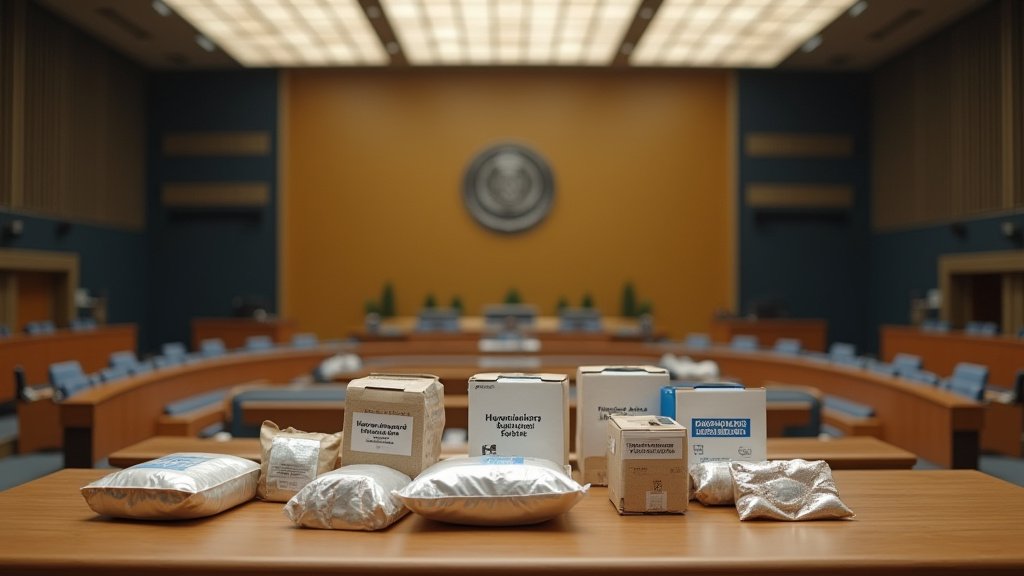
Speaker Heastie hosted a crucial humanitarian delegation today, signaling a significant step in fostering international cooperation and addressing critical global needs. The meeting underscored a shared commitment to impactful aid and diplomatic engagement.
Key Highlights:
- Focus on pressing humanitarian crises requiring immediate international attention.
- Discussion of collaborative strategies for effective aid delivery.
- Emphasis on strengthening diplomatic ties through shared humanitarian goals.
- Commitment to ongoing dialogue and joint initiatives.
Bridging Divides: The Humanitarian Delegation’s Visit
The visit of the humanitarian delegation to Speaker Heastie’s office marks a pivotal moment in the ongoing efforts to address global humanitarian challenges. This gathering served as a vital platform for in-depth discussions on current crises, with a particular emphasis on regions experiencing severe distress and requiring urgent international support. The delegation, comprising representatives from various non-governmental organizations and international bodies, presented comprehensive briefings on the on-the-ground realities, highlighting the critical need for sustained and coordinated humanitarian assistance.
The Urgency of Global Crises
The discussions primarily revolved around the escalating humanitarian situations in several key areas, including conflict zones and areas affected by natural disasters. Representatives detailed the multifaceted challenges faced by affected populations, ranging from food insecurity and lack of access to clean water to inadequate healthcare and shelter. The delegation stressed that proactive and immediate intervention is not merely a matter of aid but a fundamental human rights imperative. They provided specific examples and data to illustrate the scale of suffering and the critical window for effective intervention, emphasizing that timely support can prevent further deterioration and save countless lives.
Strategies for Effective Aid Delivery
A significant portion of the meeting was dedicated to strategizing more effective and efficient methods for delivering humanitarian aid. The delegation shared insights into logistical hurdles, security concerns, and bureaucratic obstacles that often impede the swift distribution of essential supplies. Speaker Heastie’s office demonstrated a keen interest in exploring innovative solutions, including the use of technology for better tracking and distribution, and forging stronger partnerships with local communities and organizations to ensure aid reaches those most in need. The conversation also touched upon the importance of ensuring aid is delivered impartially and reaches vulnerable populations, including women, children, and the elderly, without discrimination.
Strengthening Diplomatic Ties Through Shared Goals
Beyond the immediate logistical and operational aspects of aid, the meeting also underscored the role of such humanitarian endeavors in strengthening international diplomatic relations. Speaker Heastie emphasized that shared commitment to alleviating human suffering transcends political differences and serves as a powerful common ground for nations to collaborate. The delegation echoed this sentiment, highlighting how successful humanitarian missions can build trust, foster mutual understanding, and create a more stable global environment. The discussions aimed to lay the groundwork for future collaborations, encouraging a united front in tackling global humanitarian emergencies.
A Commitment to Ongoing Engagement
Concluding the session, both Speaker Heastie’s office and the humanitarian delegation reaffirmed their commitment to sustained engagement. This includes regular follow-up meetings, information sharing, and collaborative efforts on specific projects. The aim is to move beyond ad-hoc responses to a more systematic and long-term approach to humanitarian assistance, building resilience in vulnerable communities and addressing the root causes of crises. The delegation extended an invitation for further dialogue and collaboration, which was warmly received.
FAQ: People Also Ask
What is the primary goal of humanitarian delegations?
Humanitarian delegations aim to assess, advocate for, and facilitate aid and support for populations affected by crises, such as natural disasters, conflicts, or widespread poverty. They work to ensure essential needs like food, shelter, medical care, and protection are met.
How does hosting such delegations benefit a country’s speaker or government?
Hosting humanitarian delegations allows a speaker or government to demonstrate commitment to global welfare, foster international cooperation, strengthen diplomatic ties, and potentially gain insights into effective aid strategies. It positions them as proactive players on the international stage in addressing critical global issues.
What kind of challenges do humanitarian organizations typically face?
Organizations often face challenges such as lack of funding, security risks in conflict zones, logistical difficulties in reaching remote areas, bureaucratic hurdles, political instability, and the sheer scale and complexity of humanitarian crises.
How can international collaboration improve humanitarian aid delivery?
International collaboration can lead to more coordinated efforts, pooled resources, shared expertise, and a more unified approach to addressing crises. It helps in overcoming national barriers, streamlining logistics, and ensuring aid is delivered efficiently and equitably to those who need it most.