
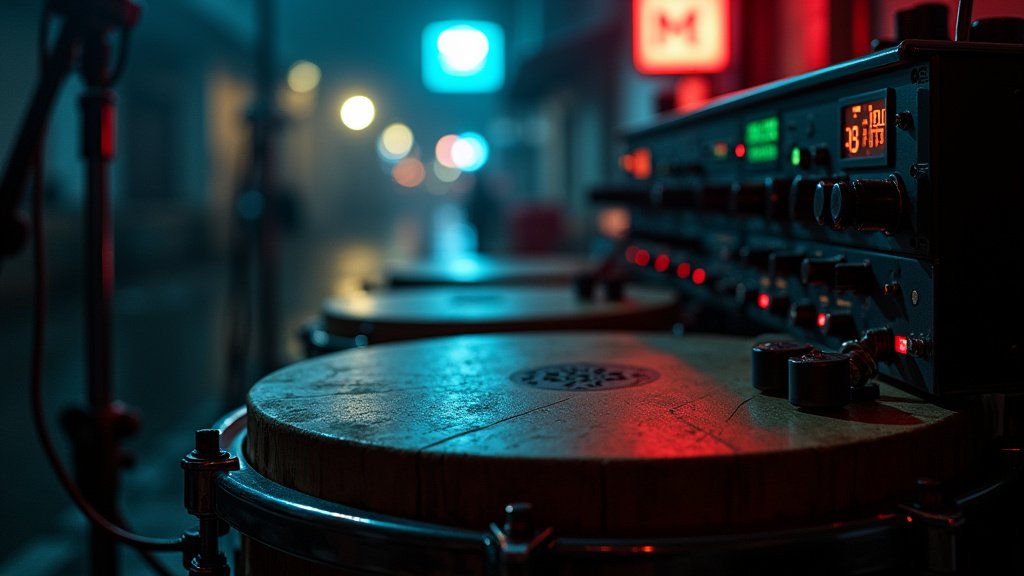
Panama is currently undergoing a massive sonic transformation, effectively reclaiming its title as the true epicenter of the modern urban music movement. While the world spent the last decade focused on the commercial explosion of reggaeton from other regions, a new generation of Panamanian artists has quietly pivoted, crafting a complex, experimental Afro-Caribbean fusion that is shedding the constraints of traditional formulaic beats in favor of something far more rhythmic, historical, and globally connected.
Key Highlights
- Historical Reclamation: The new movement draws deep from the roots of ‘reggae en español,’ honoring the influence of West Indian canal workers who laid the foundation for modern Latin urban music.
- Sonic Diversity: Artists are moving away from the standard ‘dembow’ loop, incorporating complex polyrhythms from Calypso, Soca, and modern Afrobeats.
- The Colón Connection: The province of Colón continues to be a primary incubator for this sound, acting as a cultural laboratory that bridges African diaspora traditions with contemporary production.
- Global Crossover: This wave is not just local; it is designed for global streaming platforms, utilizing high-fidelity production techniques that appeal to international markets while maintaining an unmistakably Panamanian identity.
The New Rhythm of the Isthmus
For years, the global narrative surrounding Latin urban music often overlooked the specific, granular origins of the genre. While the world celebrated the polished pop hits coming out of Puerto Rico and Colombia, the true pioneers—the artists who translated Jamaican dancehall and reggae into Spanish in the bustling, humid streets of Panama City and Colón—were working from the ground up. Today, in 2026, the ‘New Wave’ is not a copy of what came before; it is a profound deconstruction of the genre’s DNA.
The Historical Foundation of the Sound
To understand why this current shift matters, one must look back at the construction of the Panama Canal. The massive influx of laborers from Jamaica, Barbados, and other Caribbean islands during the early 20th century created a unique cultural collision. This labor force brought with them their music—mento, calypso, and the early seeds of what would eventually become reggae and dancehall. This was not just imported music; it was transformed by the local environment. When artists like Nando Boom and El General first fused these Caribbean rhythms with Spanish lyrics in the 1980s, they weren’t just making songs; they were articulating a new Panamanian identity. That foundation remains the ‘secret sauce’ of today’s music. The new wave of producers is rediscovering these vintage cassette-era rhythms, sampling the raw, unpolished energy of 80s ‘reggae en español’ and treating it with modern, sophisticated, and experimental layering.
Deconstructing the ‘Dembow’ Formula
The most significant change in this new musical era is the move away from the rigid ‘dembow’ rhythm that defined the last decade of reggaeton. While the dembow beat is still a functional, danceable staple, current Panamanian artists are actively experimenting with tempo, syncopation, and instrumentation. We are seeing a resurgence of real instrumentation—brass sections, live percussion, and deep, resonant basslines—that are being woven into electronic production. This is a rejection of the ‘cookie-cutter’ producer approach. Instead, artists are looking to the rhythms of Congo drums, the bounce of Soca, and the melodic sensibilities of R&B to create tracks that feel ‘wider’ and more atmospheric than the compressed, club-ready tracks of yesteryear.
The Role of Colón as a Cultural Crucible
If Panama City is the corporate and commercial center, Colón remains the spiritual heart of this Afro-Caribbean fusion. The city’s unique socio-economic landscape, defined by its history of struggle and resilience, has always been the primary exporter of talent for the genre. In 2026, we are seeing a conscious return to this geographical and cultural wellspring. Younger artists are filming videos in the colorful, weathered streets of the older districts, emphasizing the Afro-Panamanian aesthetic in their fashion, their dance styles, and their lyrics. This is not mere posturing; it is an assertion of ownership. By centering Colón, these artists are reminding the global audience that the roots of the ‘urbano’ sound are not just a technical exercise—they are a lived, cultural experience rooted in the African diaspora.
The Diaspora Connection: Panama, Brooklyn, and Beyond
The reach of this new wave is not confined to the borders of the isthmus. Thanks to the global nature of streaming, Panamanian producers are collaborating in real-time with artists from Brooklyn, London, and Lagos. The ‘New Wave’ isn’t just about Panamanian artists; it is about the Panamanian sound becoming a global commodity. We are seeing a distinct trend where the ‘flow’—the rhythmic delivery of lyrics—is becoming more melodic, often borrowing the ‘patois-inflected’ cadence that is native to Afro-Panamanian speakers. This gives the music an exotic, international appeal that differentiates it from the harder, more aggressive delivery found in other Spanish-speaking markets.
Future Predictions: The Economic Impact
As this sound continues to gain traction, the economic implications are becoming impossible to ignore. Tourism boards and cultural institutions in Panama are beginning to see the value in music-led tourism. Festivals and music residencies are being designed to draw in fans who want to see the ‘cradle of reggaeton’ for themselves. This cultural tourism is funding local studios, sound-engineering schools, and independent labels, effectively creating a self-sustaining ecosystem that doesn’t rely solely on international record labels to export its art. The next five years will likely see Panama become a major hub for music production, not just for the Caribbean or Latin America, but for the global ‘Afro-fusion’ market that is currently dominated by West African sounds.
FAQ: People Also Ask
Q: How is this new music different from traditional reggaeton?
A: Traditional reggaeton relies heavily on the ‘dembow’ drum loop. This new wave incorporates experimental production, live instrumentation, and a heavy influence from non-reggaeton genres like Soca, Calypso, and Afrobeats, resulting in a more layered and melodic sound.
Q: Who are the key figures driving this movement?
A: While pioneers like Nando Boom and El General are the historical anchors, modern stars like Sech and Boza have set the tone. Currently, a new crop of producers and independent artists in Colón are the ones pushing the experimental boundaries of the sound.
Q: Why is this happening in Panama specifically?
A: Panama has a unique demographic history rooted in the building of the Canal, which brought a massive influx of Afro-Caribbean culture. This created a ‘crossroads’ effect where Jamaican music met Spanish lyrics earlier and more intensely than anywhere else in Latin America.
Q: Can this music cross over to non-Spanish speaking audiences?
A: Yes. Because the music relies on rhythmic complexity and melodic flow rather than just lyricism, it is highly adaptable to global clubs and festivals, similar to how Afrobeats gained international popularity without requiring listeners to understand every word.