
On the campus of the University of Maryland, the Caribbean Student Association (CSA) transformed the Stamp Student Union into a vibrant vessel for cultural pride this past weekend. The “Survivor Más” event, a centerpiece of the organization’s annual Carifest celebration, offered a high-energy fusion of theater, dance, and fashion designed to spotlight the richness of Caribbean heritage. For the student organizers, the event was more than just a performance; it was a necessary declaration of identity on a predominantly white campus.
Key Highlights
- Cultural Showcase: Students presented a variety of traditional performances, including Indo-Caribbean, Dancehall, and Asoka dances, blending history with contemporary expression.
- Thematic Narrative: The event featured a central skit focused on an island survival theme, illustrating the perseverance and eventual triumph of Caribbean identity.
- Leadership Succession: The night served as the official debut for the newly crowned Mr. and Ms. CSA, Donovan Baldwin and Sandyn Solozano, marking a symbolic “changing of the guard.”
- Advocacy for Expression: Club President Jelena Hall emphasized that the event provides a critical, limitation-free space for students to honor their diverse island roots.
A Stage for Cultural Autonomy and Expression
At the heart of the Survivor Más event was the pursuit of cultural autonomy. Jelena Hall, the senior public health practice major and CSA president, was clear about the motivation behind the elaborate production. For Caribbean students navigating the complex social landscape of a large, predominantly white university, the opportunity to celebrate heritage is often limited by existing structures and the pressures of integration.
The Need for Dedicated Cultural Spaces
Survivor Más was designed to disrupt that trend. By creating a space where the rhythm, style, and history of the Caribbean are the primary focus, the CSA effectively asserted their presence on campus. The event represented the culmination of months of labor, beginning shortly after the students returned from winter break. From coordinating the logistics of the Colony Ballroom to securing the perfect DJ, rehearsals, and costumes, the organizational effort highlighted the professional capability and deep dedication of the student leaders.
Hall noted that while the student body is divided by the geography of their respective islands, the shared culture provides a powerful, unifying thread. The event functioned as a reminder that this diversity is a strength, allowing students to bridge the gap between their disparate backgrounds—whether from the Greater Antilles or the smaller island nations—and find common ground in their collective history.
The Historical Significance of ‘Mas’
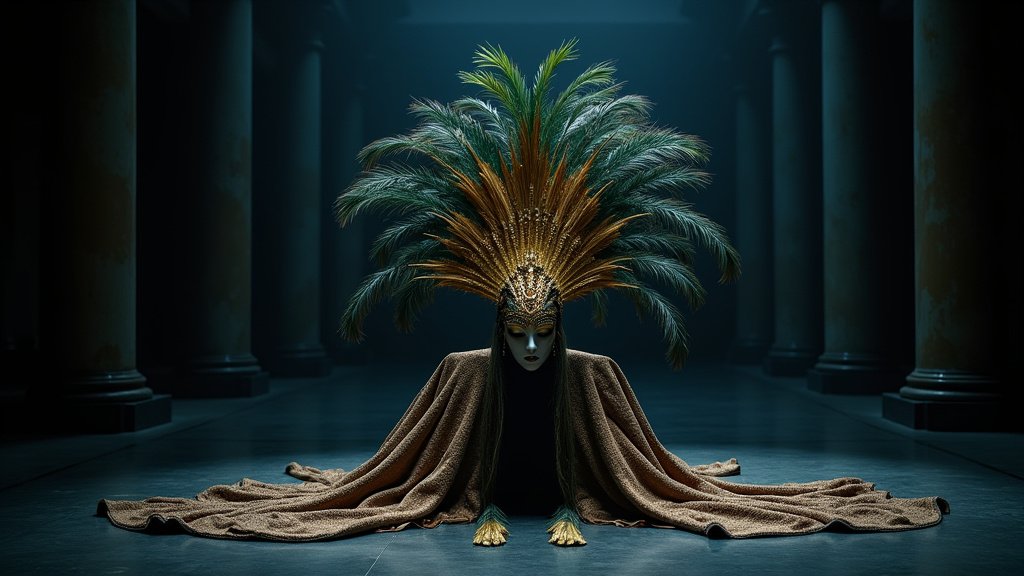
To understand the gravity of the event, one must look at the term “Mas.” Derived from “Masquerade,” the term is deeply rooted in the history of Caribbean Carnival. Historically, enslaved people utilized satire, elaborate costumes, distinct musical forms, and unique languages as acts of resistance against oppressive colonial systems that sought to erase their culture. By bringing this tradition to the UMD campus, students were engaging in a modern iteration of that resistance. The feathered, bejeweled costumes modeled on stage were not merely aesthetic choices; they were intentional nods to a long tradition of reclaiming identity through creative expression. This historical resonance provides a secondary layer of depth to the event, elevating it from a standard student social gathering to a performance of cultural reclamation.
The Narrative Arc of ‘Survivor Más’
Technically, the event was constructed around a central narrative arc that captivated the audience. The skit focused on a group of individuals stranded on an island following a plane crash. This metaphor served as a powerful vehicle for exploring themes of struggle, cooperation, and resilience.
From Struggle to Celebration
As the skit unfolded, the performers depicted the initial chaos and the friction of trying to survive in a high-stakes, unfamiliar environment. This tension was masterfully broken up by the performance elements, which acted as moments of respite and cultural celebration. As the narrative progressed, the group navigated their difficulties through dance and tradition, eventually spotting a carnival cruise ship on the horizon. This resolution was symbolic, moving the characters from a state of survival to one of celebration and unity. The transition from the “stranded” phase of the skit to the final “Carnival” celebration mirrored the journey of many students who, upon entering a new, potentially isolating university environment, eventually find community and solidarity through organizations like the CSA.
Integration of Local Partnerships
Furthermore, the event showcased the strong ties between the UMD organization and the broader regional community. The fashion segment, in particular, featured clothing from “East Coast Limers,” a brand that specializes in traditional Caribbean Carnival costumes for celebrations across the D.C.-Maryland-Virginia area. By partnering with local vendors, the CSA not only ensured the authenticity of their wardrobe but also fostered connections with the real-world Caribbean diaspora, bridging the gap between “campus life” and the active cultural scenes in the surrounding metropolitan area.
Looking Ahead: The Future of Carifest
Survivor Más is just one chapter in a larger, evolving story. The Carifest celebration has a history of changing themes, with previous years highlighting concepts like “Carnival Concoction” and “Masters of Mas.” This constant evolution demonstrates the organization’s commitment to freshness and innovation, ensuring that each year’s event feels distinct and relevant to the current student cohort.
Empowering New Leadership
The “changing of the guard” was a poignant moment for the association. The crowning of Donovan Baldwin (Mr. CSA) and Sandyn Solozano (Ms. CSA) signals the beginning of a new term. For Baldwin, a freshman architecture major, the experience of stepping into this role amidst the energy of Survivor Más was both humbling and exciting. It serves as an invitation to the rest of the student body—encouraging individuals of all backgrounds to participate and learn about Caribbean culture, thereby demystifying the culture and fostering broader inclusion.
Challenges and Resilience in Higher Education
It is important to contextualize this event within the broader challenges currently facing the University of Maryland. With reports of hiring freezes and budget cuts looming over the university system, student-led events like Carifest serve as vital morale boosters. They highlight the capacity for student organizations to remain resilient, productive, and vibrant, even when the broader institutional environment feels uncertain. The CSA’s ability to pull off such a sophisticated event underscores the necessity of student-run organizations as the heartbeat of campus culture, regardless of fiscal or administrative challenges. By centering their heritage, these students are not only preserving their traditions but are actively shaping the culture of the university for the better.
FAQ: People Also Ask
1. What is the significance of the event title ‘Survivor Más’?
The title plays on the concept of ‘survival’ within a narrative skit while incorporating ‘Mas,’ which is short for Masquerade—a key element of Caribbean Carnival traditions known for its history of cultural resistance and celebration.
2. Who organized the Survivor Más event at UMD?
The event was organized by the University of Maryland’s Caribbean Student Association (CSA), led by club president Jelena Hall, who emphasized the importance of creating a space for cultural expression on campus.
3. Is the CSA event open to non-Caribbean students?
Yes, the organization encourages students of all backgrounds to participate in the event. Mr. CSA Donovan Baldwin noted that the organization invites people from all backgrounds to learn more about Caribbean culture through these performances.
4. What does the ‘Carifest’ celebration usually entail?
Carifest is the annual celebration series hosted by the CSA. It typically includes thematic events featuring theater, traditional dances (such as Dancehall and Indo-Caribbean), fashion shows, and musical performances to celebrate the heritage of various Caribbean islands.