
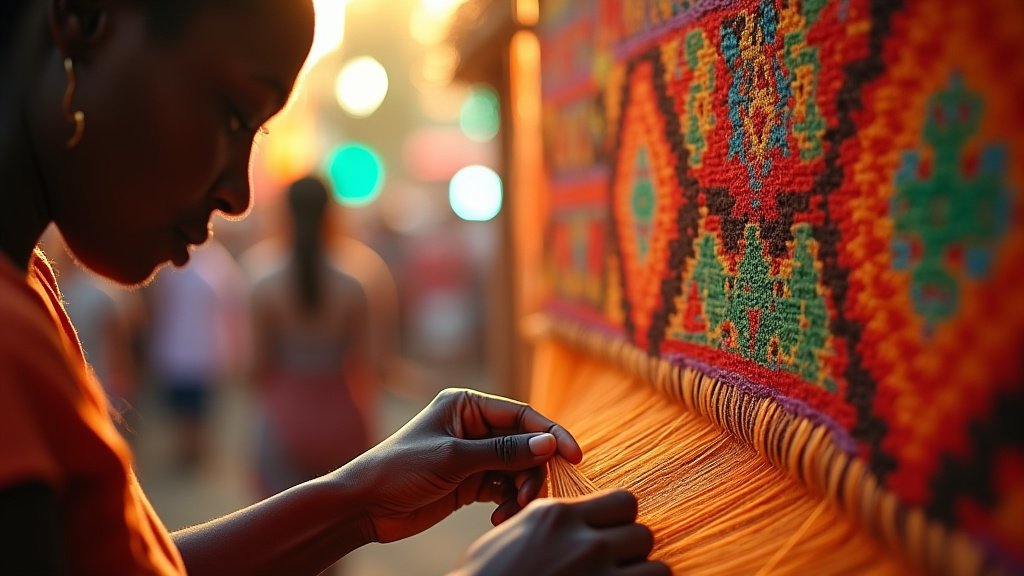
Caribbean festivals are no longer confined to island shores, rapidly expanding their reach and influence across the globe. This cultural expansion is not only reshaping the perception of the Caribbean but is solidifying its position as a premier hub for live music and vibrant cultural celebrations. From sold-out shows in major international cities to a surge in attendance at home, the region’s unique musical rhythms and traditions are captivating a worldwide audience, driving tourism and fostering economic growth.
Key Highlights:
- Global Expansion: Caribbean festivals are achieving international success, attracting diverse audiences worldwide.
- Economic Impact: The rise of these festivals is significantly boosting tourism and local economies in the Caribbean.
- Cultural Preservation: Festivals serve as vital platforms for preserving and promoting unique Caribbean music and traditions.
- Diversification of Music Scene: The global appeal of Caribbean music is influencing and diversifying the broader international music landscape.
The Global Beat: How Caribbean Festivals Are Taking Over the World
From Island Rhythms to International Stages
Caribbean music, with its infectious beats and rich history, has always held a special appeal. Genres like Reggae, Soca, Dancehall, and Calypso have a dedicated following, but recent years have seen an unprecedented surge in their global popularity. This is largely driven by the intentional expansion of major Caribbean festivals and the emergence of new ones designed for international audiences. These events are strategically held in major cultural capitals, drawing in a wider demographic and exposing them to the authentic sounds and vibrant culture of the islands. This strategic outreach has transformed the perception of Caribbean music from a niche genre to a global phenomenon.
Economic Powerhouses: More Than Just Music
The impact of these expanding festivals extends far beyond the music itself. They have become significant economic drivers for the Caribbean region. Increased international attendance translates directly into boosts in tourism, hotel occupancy, local transportation, and the food and beverage industries. Small businesses and local artisans often see a significant uptick in sales during festival periods. Furthermore, the global spotlight created by these events encourages investment in infrastructure and the creative industries, fostering long-term economic development. Governments and tourism boards are increasingly recognizing the value of these cultural events, investing in their promotion and support.
Preserving Heritage Through Celebration
In an era of rapid globalization, Caribbean festivals play a crucial role in preserving and promoting the region’s unique cultural heritage. They provide a vital platform for traditional artists, dancers, and storytellers to share their craft with both local and international audiences. The energy and authenticity of these events ensure that traditions are not only kept alive but are also passed down to younger generations. The communal aspect of these festivals, where people from all walks of life come together to celebrate, reinforces a sense of identity and pride. This cultural preservation is a key element of their global appeal.
The Future Soundscape: A Blended Influence
The continued global expansion of Caribbean festivals suggests a future where these sounds are even more integrated into the international music scene. We can expect to see more collaborations between Caribbean artists and musicians from other genres, leading to innovative fusions and new musical trends. The success of these festivals also paves the way for other cultural traditions to follow a similar path of global dissemination. The Caribbean is not just exporting music; it is exporting a holistic cultural experience that resonates deeply with people worldwide, setting a precedent for how cultural events can achieve global reach and impact.
FAQ: People Also Ask
What are the most popular Caribbean music genres featured in global festivals?
Reggae, Soca, Dancehall, and Calypso are among the most prominent genres, known for their infectious rhythms and widespread appeal. However, festivals also showcase a diverse range of other island sounds, including Zouk, Kompa, and various folk music traditions.
How do Caribbean festivals contribute to local economies?
They drive significant revenue through tourism, hospitality, local crafts, food and beverage sales, and employment opportunities. The increased visitor numbers during festival periods provide a substantial economic boost to the host islands.
Are Caribbean festivals only held in the Caribbean?
While many major festivals are rooted in the Caribbean, their global expansion means that similar events, or satellite festivals, are increasingly being organized in major cities across North America, Europe, and other parts of the world to cater to international fan bases.
What is the typical audience demographic for these festivals?
Traditionally, festivals attracted a strong local and diaspora following. However, with global expansion, the audience has become much more diverse, including international tourists, music enthusiasts from various cultural backgrounds, and younger generations drawn to the vibrant atmosphere and unique sounds.
How can smaller Caribbean islands benefit from the festival trend?
Smaller islands can leverage their unique cultural offerings and potentially host niche festivals or participate in larger international events. Focusing on specific cultural traditions or music genres can help them attract targeted tourism and develop their own distinct cultural tourism products.