
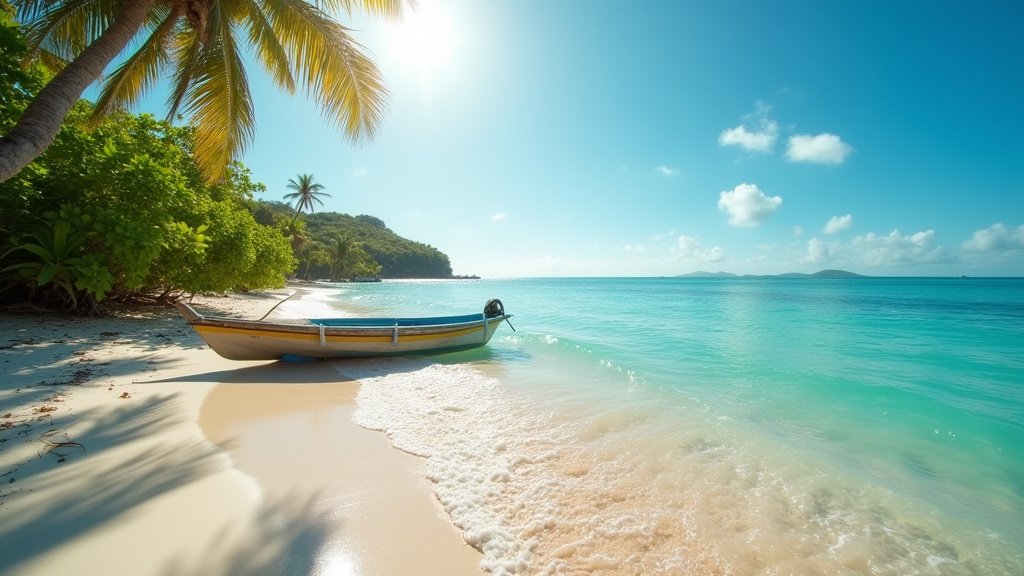
The Caribbean’s Summer Surge: Four Traveler Trends Define 2024 Getaways
This summer, the Caribbean is experiencing an unprecedented surge in popularity, driven by a confluence of powerful travel trends. Leading the pack is a profound focus on wellness tourism, heavily influenced by the ‘Blue Mind’ phenomenon—the scientifically recognized mental health benefits derived from proximity to water. Travelers are actively seeking ocean-centered experiences, from guided meditations by the sea to immersive free-diving instruction, all aimed at achieving a state of calm and rejuvenation. Alongside this, multigenerational travel is rapidly becoming a dominant force, with families of all ages converging to create shared, culturally rich memories. This shift is partly fueled by the escalating issue of over-tourism in popular European destinations, pushing discerning travelers to seek out the Caribbean’s less crowded beaches and more authentic cultural offerings. Notably, Gen Z travelers are spearheading a movement towards authenticity, favoring destinations like St. Maarten and the Dominican Republic that offer local character and genuine experiences over traditional, all-inclusive resorts.
Key Highlights:
- Wellness Takes Center Stage: ‘Blue Mind’ is driving demand for ocean-centric wellness activities beyond traditional spa treatments.
- Generations Unite: Multigenerational travel is a primary booking segment, prioritizing shared, immersive family experiences.
- Europe’s Over-tourism Solution: Travelers are opting for the Caribbean’s uncrowded beaches and authentic culture as alternatives to congested European hotspots.
- Gen Z’s Authenticity Quest: Younger travelers are seeking local character and genuine experiences, favoring destinations like St. Maarten and the Dominican Republic.
Embracing the Blue Mind and Beyond: Reimagining Caribbean Wellness
The concept of ‘Blue Mind’ is no longer a niche interest but a central pillar of Caribbean summer travel in 2024. This trend taps into the innate human connection with water and its proven benefits for mental well-being. Destinations and resorts are responding by integrating water-based activities directly into their wellness programming. Imagine sunrise yoga on the beach, guided meditation sessions with the gentle sound of waves, or even free-diving courses framed as a practice in mindfulness and focus. This approach moves beyond the conventional spa package, offering experiences that are intrinsically linked to the marine environment. The emphasis is on holistic rejuvenation, where the natural beauty and therapeutic qualities of the ocean are the primary drivers of guest well-being. This aligns with a broader trend of travelers seeking “Calmcations” and solo wellness journeys aimed at personal renewal and a slower pace of life.
The Rise of Multigenerational Family Adventures
Family travel is undergoing a significant transformation, with multigenerational trips now at the forefront of summer vacation planning. Families are no longer seeking to separate into adult and child activities; instead, they are prioritizing shared experiences that can be enjoyed by grandparents, parents, and children alike. The goal is to create lasting memories that resonate across all age groups, fostering deeper family bonds. This trend has a direct impact on how resorts and destinations design their offerings, with an increasing demand for programming that accommodates diverse age ranges and interests. From curated cultural tours to group-friendly excursions, the focus is on creating cohesive and engaging experiences for the entire family unit. This segment represents a high-value booking opportunity, with families looking for immersive cultural encounters and authentic local interactions.
Escaping the Crowds: The Caribbean as an Over-tourism Alternative
As popular European destinations grapple with severe over-tourism, the Caribbean is emerging as a highly attractive alternative. Cities like Santorini and the Amalfi Coast are implementing measures to manage visitor numbers, prompting travelers to seek less congested locales. The Caribbean offers a compelling proposition with its extensive uncrowded beaches, rich and authentic local cultures, and accessible pricing. This shift is particularly beneficial for destinations that can showcase their natural beauty and cultural heritage without succumbing to mass tourism pressures. Travelers are increasingly valuing destinations that offer a sense of discovery and a more genuine connection with the local environment and its people, moving away from heavily commercialized tourist traps.
Gen Z’s Pursuit of Authenticity and Local Character
Gen Z travelers are redefining vacation preferences, prioritizing authenticity and local character above all else. This demographic is less interested in traditional resort experiences and more drawn to destinations that offer genuine cultural immersion and a sense of discovery. Google Flights data indicates that St. Maarten and the Dominican Republic are among their trending international destinations for summer. These islands, and others like them, are appealing because they provide opportunities to engage with local communities, explore unique traditions, and experience the “real” destination, rather than a curated tourist product. This preference for authenticity is also driving interest in boutique properties and personalized travel experiences, moving away from standardized global offerings.
Economic and Accessibility Shifts in Caribbean Travel
The Caribbean is experiencing a robust travel recovery, with international arrivals showing significant growth. For the first half of 2024, arrivals increased by 10% year-on-year, reaching 13% above 2019 levels. This recovery is largely fueled by leisure travelers, with an 11% year-on-year increase in the first half of 2024, while business travel shows a slower recovery. Increased flight connectivity from North American hubs is expanding the region’s reach, making it more accessible to secondary markets. While European arrivals have seen a slight decrease, the high-yield segment from Europe, particularly the UK, shows a notable increase of 19%, indicating the region’s continued appeal to the luxury market. Latin America is also an emerging key source market, with arrivals up 17% compared to 2019. In terms of spending, Gen Z is notably leading, with an average trip cost of $11,766 for summer 2024, surpassing other generations. Budget-friendly destinations like the Dominican Republic, with an average trip cost of $5,010, also present an attractive option within this trend.
FAQ: People Also Ask
What is the ‘Blue Mind’ trend in travel?
The ‘Blue Mind’ trend refers to the concept that being near or in water has significant positive effects on mental health and well-being. Travelers are seeking experiences that leverage this connection, such as ocean meditations, beach yoga, and water-based activities, to reduce stress and enhance mood.
Why are multigenerational trips becoming more popular in the Caribbean?
Multigenerational trips are popular because families are seeking shared experiences that create lasting memories for all ages. The Caribbean offers diverse activities and cultural richness that can appeal to grandparents, parents, and children simultaneously, fostering connection and togetherness.
How is over-tourism in Europe influencing Caribbean travel choices?
Europe’s over-tourism issues are prompting travelers to look for alternative destinations that offer uncrowded spaces and authentic cultural experiences. The Caribbean, with its vast coastlines and rich heritage, provides a compelling alternative to congested European hotspots.
Which Caribbean destinations are trending with Gen Z travelers?
According to Google Flights data, St. Maarten and the Dominican Republic are among the trending international destinations for Gen Z travelers this summer. These travelers are drawn to the local character and authenticity these islands offer.
What are the economic indicators for Caribbean tourism in 2024?
Caribbean tourism is showing strong recovery, with international arrivals up 10% year-on-year in the first half of 2024. High-yield travelers are driving growth, and increased flight connectivity is making the region more accessible.