
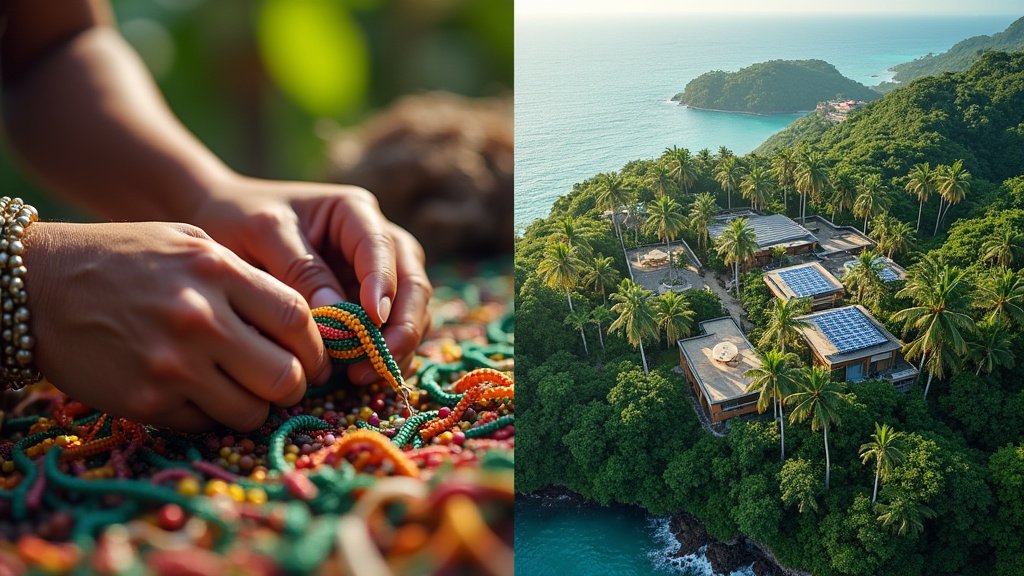
The Caribbean is experiencing a renaissance in tourism, signaling a new golden age for island travel. With a surge in bookings and a renewed interest in its diverse offerings, the region is poised for significant growth.
Key Highlights:
- Record-breaking tourist arrivals across several major islands.
- Increased investment in sustainable tourism infrastructure.
- Growing demand for unique, off-the-beaten-path experiences.
- A resurgence of cultural and heritage tourism offerings.
The Caribbean’s Resurgent Appeal
The Caribbean, a perennial favorite for sun-seekers, is undergoing a remarkable transformation, ushering in what many are calling a new golden age of island travel. After periods of fluctuation, the region is witnessing an unprecedented surge in both leisure and business travel, driven by a confluence of factors including pent-up demand, increased accessibility, and a concerted effort by island nations to diversify their tourism portfolios. This resurgence is not merely a return to pre-pandemic numbers but a dynamic evolution, with a focus on sustainability, cultural immersion, and unique experiences.
Shifting Tourist Preferences
Modern travelers are increasingly seeking more than just pristine beaches and all-inclusive resorts. There’s a palpable shift towards authentic experiences that connect them with the local culture, history, and natural environment. This has led to a rise in demand for eco-tours, culinary adventures, historical site visits, and community-based tourism initiatives. Destinations that have successfully adapted to these evolving preferences are seeing the most significant gains. For instance, islands like Puerto Rico are capitalizing on their rich history and vibrant arts scene, while others like St. Lucia are promoting their natural wonders through guided hikes and marine reserves.
Investment in Sustainable Infrastructure
Recognizing the delicate balance of their ecosystems and the long-term viability of their economies, many Caribbean nations are prioritizing sustainable tourism development. This includes significant investments in renewable energy for resorts, improved waste management systems, and the protection of marine and terrestrial biodiversity. Governments and private sector entities are collaborating to create tourism models that benefit local communities, preserve natural resources, and minimize environmental impact. This commitment to sustainability is not only attracting environmentally conscious travelers but also enhancing the overall appeal and resilience of the region’s tourism product.
Economic Ripple Effects
The economic impact of this travel boom is profound. Beyond the direct revenue generated by tourism, the increased activity stimulates growth in ancillary sectors such as agriculture, transportation, hospitality services, and local crafts. Small businesses and entrepreneurs are finding new opportunities to thrive, contributing to a more diversified and robust island economy. The focus on local sourcing and community engagement ensures that the economic benefits are more widely distributed, fostering greater prosperity across the islands.
Future Outlook and Challenges
The trajectory for Caribbean tourism appears exceptionally bright, with projections indicating continued growth in the coming years. However, the region must navigate potential challenges, including the impacts of climate change, the need for continuous infrastructure development, and maintaining a competitive edge in a global market. Strategies that promote resilience, innovation, and a diversified economic base will be crucial for sustaining this golden age.
FAQ: People Also Ask
What are the most popular Caribbean islands for tourists right now?
While popularity can fluctuate, islands like the Dominican Republic, Jamaica, The Bahamas, Cancun (Mexico), and Puerto Rico consistently rank among the top destinations due to their accessibility, range of activities, and varied accommodation options. However, there’s a growing interest in less-trafficked islands like Grenada, St. Vincent and the Grenadines, and Dominica for those seeking more secluded experiences.
How is technology impacting Caribbean tourism?
Technology is playing a crucial role in enhancing the visitor experience, from seamless online booking platforms and digital concierge services to augmented reality tours of historical sites. It’s also vital for operational efficiency, managing visitor flows, and implementing sustainable practices through smart infrastructure. Social media continues to be a powerful tool for destination marketing and showcasing unique island experiences.
What are the main challenges facing Caribbean tourism?
Key challenges include the vulnerability to natural disasters (hurricanes, rising sea levels), the need for continuous investment in infrastructure, competition from other global destinations, and ensuring that tourism growth benefits local populations equitably. Maintaining a balance between development and environmental preservation is also a critical ongoing challenge.
What is the trend towards sustainable tourism in the Caribbean?
There is a strong and growing trend towards sustainable tourism. This involves implementing eco-friendly practices in hotels and resorts, protecting natural resources like coral reefs and rainforests, promoting local culture and heritage, and ensuring that tourism revenue benefits local communities. Many islands are actively working towards becoming leaders in green tourism.
What kind of new experiences are attracting tourists to the Caribbean?
Tourists are increasingly drawn to authentic cultural immersion, including cooking classes, local music and dance workshops, and visits to artisan communities. Adventure tourism, such as zip-lining through rainforests, diving in protected marine areas, and exploring volcanic landscapes, is also gaining traction. Wellness retreats and heritage tours are further diversifying the appeal beyond traditional beach holidays.