
A Marine Tribute to a World Cup Stalwart
In an unprecedented honor that bridges the worlds of elite sports and marine biology, a new species of sea slug has been named Aldisa vozinha after the celebrated Cape Verdean goalkeeper, Vozinha. This unique tribute comes in recognition of his ‘prominent role’ and exceptional performances during Cape Verde’s groundbreaking debut in the 2026 FIFA World Cup. The discovery and naming were made by Spanish biologist Jesús Ortea, who has a known connection to Cape Verde’s environmental studies.
Vozinha’s World Cup Heroics
The 40-year-old goalkeeper, whose full name is Josimar José Évora Dias, captured global attention during the 2026 FIFA World Cup. His standout performances, particularly in Cape Verde’s opening match against Spain, where he made seven saves to secure a remarkable 0-0 draw, earned him the Player of the Match award and widespread acclaim. He became the oldest goalkeeper in tournament history to keep a clean sheet on his World Cup debut. Vozinha’s crucial saves also contributed to Cape Verde reaching the Round of 32, where they put up a valiant fight against eventual champions Argentina in a 3-2 extra-time loss.
The Naming of Aldisa vozinha
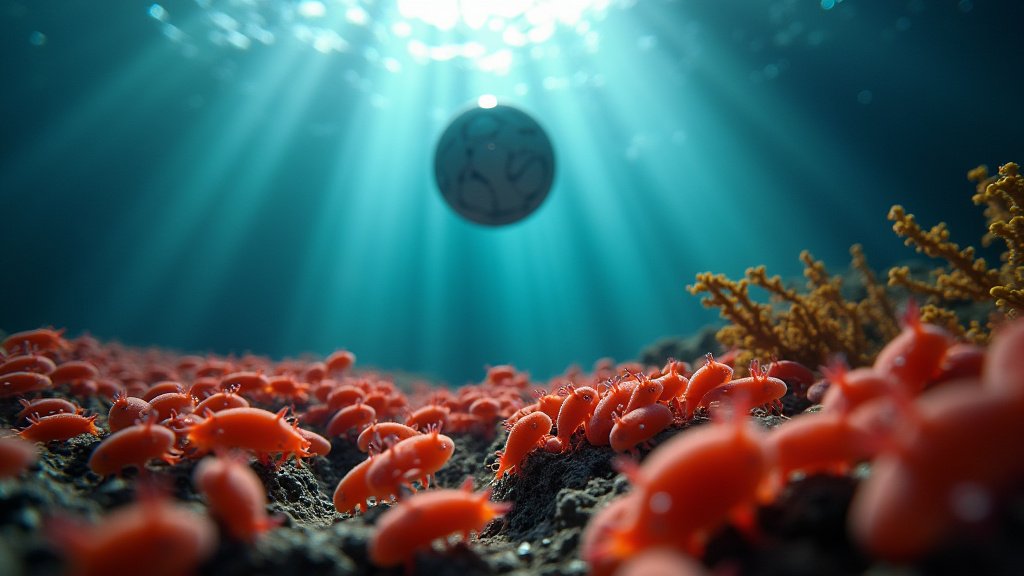
Biologist Jesús Ortea, a professor emeritus at the University of Oviedo, chose to name the small, red sea slug after Vozinha to commemorate his significant contributions to Cape Verde’s footballing history. The species was discovered in the Caribbean near Havana, Cuba, and Guadeloupe. Ortea noted that the slug’s vivid red coloration serves as a symbolic reminder of Vozinha’s heroic feat against Spain, a team nicknamed ‘La Roja’ (The Red One). This is not the first time Ortea has honored a footballer; he previously named a marine snail species after former Real Madrid goalkeeper Keylor Navas in 2019.
A Symbol of National Pride
Vozinha’s journey to international recognition is a testament to perseverance. Born in Mindelo, Cape Verde, on June 3, 1986, he has had a career spanning clubs in Angola, Moldova, Portugal, Cyprus, and Slovakia. With over 90 caps for the Cape Verde national team, he is one of the country’s most experienced and respected athletes. His stellar performances in the 2026 World Cup not only put Cape Verde on the global football map but also inspired a surge in his social media following, reportedly growing from approximately 50,000 to over 17 million followers in a matter of days after the Spain match. This international acclaim, culminating in a species being named in his honor, solidifies his status as a national icon.
Beyond the Pitch: A Scientific Honor
The naming of Aldisa vozinha highlights the extraordinary impact Vozinha had beyond the confines of the football pitch. It underscores a moment where athletic achievement resonated deeply enough to inspire scientific discovery and acknowledgment. The discovery, detailed in Ortea’s publication Historias de la Bioadversidad (Biodiversity Stories), adds a unique chapter to the goalkeeper’s legacy, ensuring his name will be remembered in both sporting history and the annals of marine biology.
FAQ: People Also Ask
What is the scientific name of the sea slug named after Vozinha?
The newly discovered species of sea slug has been scientifically named Aldisa vozinha.
Who discovered the Aldisa vozinha sea slug?
The Aldisa vozinha sea slug was discovered by Spanish biologist Jesús Ortea.
Where was the Aldisa vozinha sea slug discovered?
The species was discovered in the Caribbean, near Havana, Cuba, and Guadeloupe.
Why was the sea slug named after Vozinha?
Jesús Ortea named the sea slug Aldisa vozinha to honor the Cape Verdean goalkeeper’s “prominent role” and remarkable performances during the 2026 FIFA World Cup, particularly his shut-out against Spain. The slug’s red color is also a symbolic tribute to Vozinha’s feat against Spain, nicknamed ‘La Roja’.
How old is Vozinha?
Vozinha is 40 years old. He was born on June 3, 1986.